

Guide to the 2014-2019 Cadillac CTS Engine Camshaft Position Sensor
Fix stalling, rough idle, and starting problems in your Cadillac CTS by choosing the right camshaft position sensor.
- Confirm the diagnosis is a bad sensor, not a more serious timing chain or actuator issue, especially on the 3.6L V6.
- For best results, choose an OEM (ACDelco) or OEM-equivalent (Delphi) brand for this critical sensor.
- The 3.6L V6 engine uses four distinct camshaft position sensors; the 2.0L Turbo uses two. Ensure you order the correct part and quantity for your engine.
- Replacement is a feasible DIY task for many, typically requiring only basic hand tools and about an hour of time.
Is Your Cadillac CTS Camshaft Position Sensor Failing?

A failing camshaft position sensor can cause noticeable engine problems. Because this sensor is vital for engine timing, a bad signal can disrupt performance significantly. You shouldn't ignore these signs, as they can lead to further issues or leave you stranded.
Key Symptoms of a Bad Sensor
- Check Engine Light: This is often the first warning. The ECM will store a diagnostic trouble code (DTC), such as P0340, P0341, P0345, or P0346, indicating a problem with the camshaft position sensor circuit.
- Engine Stalling or Misfiring: The engine may run rough, sputter, or stall unexpectedly, especially at idle or low speeds. This happens because the ECM can't properly time the spark and fuel delivery.
- Hard Starting or No Start: Your CTS might take longer than usual to start, or it may crank but refuse to turn over. A complete sensor failure can prevent the ECM from getting the signal it needs to start the engine.
- Poor Acceleration: If the sensor signal is intermittent, your car may hesitate or lack power when you press the gas pedal.
Important: Check for Other Issues First
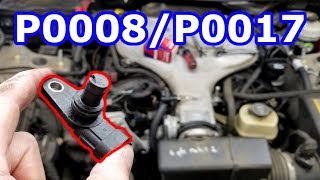
Symptoms like a rough idle and specific trouble codes (e.g., P0014, P0017) on the 3.6L V6 engine can also be caused by a stretched timing chain or faulty camshaft actuator solenoids. A GM Technical Service Bulletin (TSB 21-NA-268) also notes that a crank-no-start condition can be caused by a misaligned camshaft reluctor ring, which is a much more involved repair. It is crucial to properly diagnose the problem before replacing the sensors, as a new sensor will not fix a mechanical timing issue.
🎬 Watch this video to diagnose P0017 codes and timing issues.Choosing the Right Aftermarket Sensor for Your CTS

When it comes to critical engine sensors, quality matters. While many aftermarket options are available, they are not all created equal. Here’s a breakdown of the brands to help you decide.
Tier 1: OEM and OEM-Equivalent Brands
These brands are either the original supplier to General Motors or are GM's own parts division. They offer the highest likelihood of a direct fit and long-term reliability.
- ACDelco: As GM's official parts brand, ACDelco is the factory-recommended replacement. Choosing their "GM Original Equipment" line ensures you are getting the exact same part that was installed at the factory.
- Delphi: Delphi was once a part of GM and has a long history of being the original equipment manufacturer for many GM sensors. A Delphi sensor is often identical to the ACDelco part, just in a different box, and can be a top-quality choice.
Tier 2: Reputable Aftermarket Brands
These brands are well-known in the industry for producing quality components that meet or exceed OEM specifications. They are a solid choice if OEM parts are unavailable or out of budget.
- NGK/NTK
- Hitachi
- Standard Ignition (SMP)
- Walker Products
Tier 3: Economy Brands
These brands offer the lowest price point but can be a gamble on quality and longevity. While they may work, some users report fitment issues or early failure. Consider these for older, higher-mileage vehicles or if budget is the primary concern.
- Dorman
- Global Parts, Prenco, True Tech, Vemo
How Many Sensors Do I Need?
A common mistake is ordering the wrong number of sensors. The 2014-2019 Cadillac CTS with the 3.6L V6 engine has four camshaft position sensors (one for the intake and one for the exhaust cam on each cylinder bank). The 2.0L Turbo engine has two sensors. While you only need to replace the one that has failed, it is often good practice to replace them in pairs (both intake or both exhaust) or all at once if the vehicle has high mileage.
Estimated Replacement Costs
The cost can vary based on your engine and who does the work. Remember, V6 models have four sensors, which can increase the total parts cost if you replace all of them.
| Part/Service | Estimated Cost |
|---|---|
| New OEM Sensor (ACDelco/Delphi) | $45 - $90 per sensor |
| New Aftermarket Sensor | $18 - $83 per sensor |
| Shop Labor | $96 - $142 |
| Total Professional Replacement (One Sensor) | $140 - $230 |
Frequently Asked Questions

Can I drive my Cadillac CTS with a bad camshaft position sensor?
It is not recommended. While the engine may still run, you will experience poor performance, bad fuel economy, and the risk of stalling in traffic, which is a safety hazard. You should get the vehicle serviced as soon as possible.
Where are the camshaft position sensors located on the 2014-2019 CTS?
The location depends on your engine. On the 3.6L V6, there are two sensors on the front of each cylinder head, near the valve covers. On the 2.0L Turbo, they are typically located on the top or side of the cylinder head. Access may require removing the engine cover 🎬 Watch a demonstration of how to access and swap sensors. or other small components.
Is replacing the camshaft position sensor a DIY job?
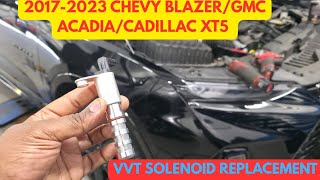
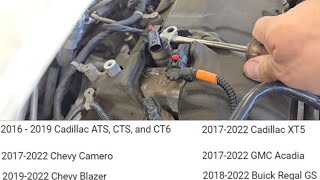
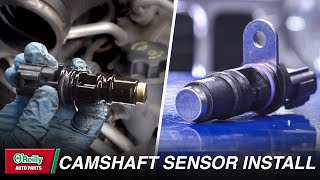
Yes, for many people with basic tools, this is a manageable DIY repair. The sensor is typically held in by a single bolt and has one 🎬 See a step-by-step walkthrough of a sensor replacement. electrical connector. The main challenge is accessing the sensors, which can be tight on the V6 engine. Always disconnect the battery before starting work.
Do I need a special tool or a 'relearn' procedure after replacement?
No special tools are required for the physical replacement. Some vehicles require a 'relearn' procedure for the new sensor to sync with the computer, but this is not consistently reported for the CTS. Often, the system will adapt after a short period of driving. Clearing the trouble codes with an OBD2 scanner after installation is recommended.
Helpful Videos
Technical Specifications
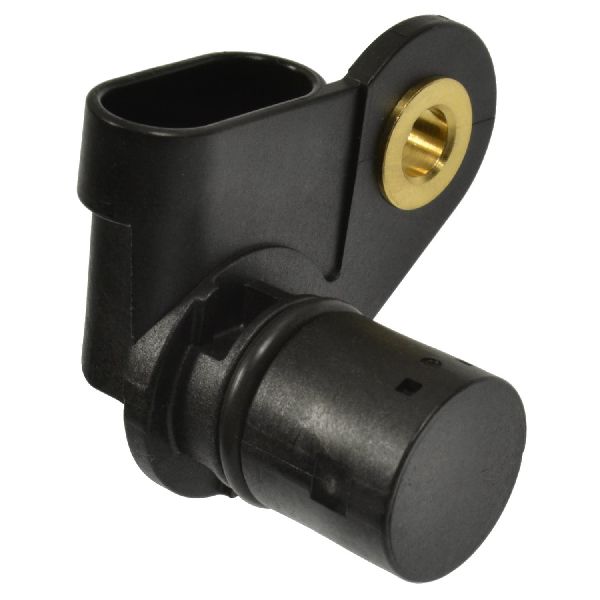
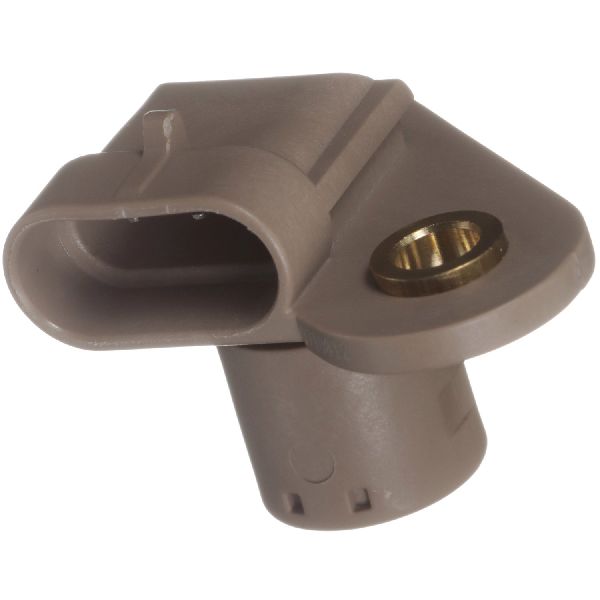
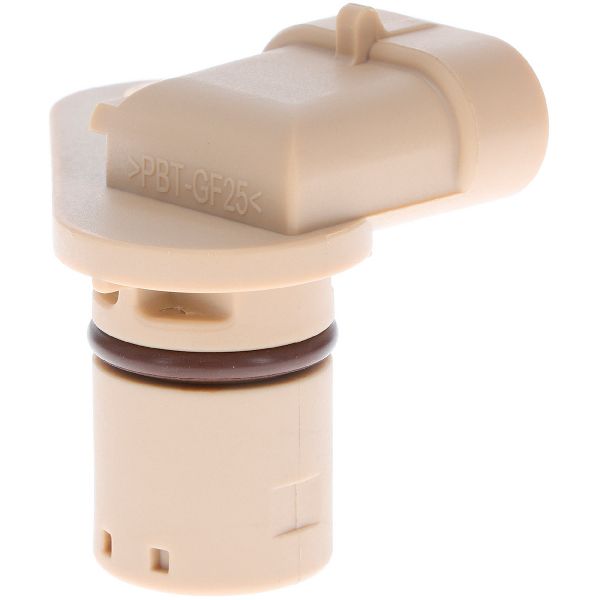
OEM Part Numbers: 12684186 12638266 12615371 213-4689
This is a Hall Effect sensor that reads a reluctor wheel on the camshaft to determine its rotational position. The 3.6L V6 engine uses four sensors (Intake Bank 1, Exhaust Bank 1, Intake Bank 2, Exhaust Bank 2). The 2.0L Turbo engine uses two sensors (Intake and Exhaust).
We Have This Part in Stock


The information in this article is provided for general reference and educational purposes only. Vehicle specifications, procedures, and part compatibility can vary by production date, trim level, and region. Always consult your vehicle's factory service manual and verify part numbers before purchasing or performing repairs. Safety-critical components such as airbags, seat belts, and braking systems should be installed by a qualified professional.
- Cadillac CTS: