

Honda Accord Engine VVT Solenoid Guide (2014-2018)
Experiencing rough idle or poor performance in your Accord? A failing VVT solenoid could be the culprit.
- Always check your engine oil level and condition first; low or dirty oil is a common cause of VVT issues.
- Symptoms include a check engine light (P0011), rough idle, poor acceleration, and engine rattling.
- Replacement is a DIY-friendly job that takes less than an hour with basic tools.
- While economy brands are available, choosing a premium aftermarket brand like Standard Motor Products or a known OEM supplier often provides better long-term reliability.
Is Your Accord's VVT Solenoid Failing?

A bad VVT solenoid can cause a range of noticeable engine problems. Because it controls oil flow, many symptoms are related to incorrect engine timing or oil pressure issues. The most important first step is to check your engine oil level and condition; low or dirty oil is a primary cause of VVT solenoid problems and can produce the same symptoms.
Check Your Oil First!
Before you replace the solenoid, always check your engine oil. Low or dirty oil can clog the solenoid's small passages and cause it to malfunction. An oil change with the correct viscosity oil might resolve your issue without needing a new part.
Symptoms of a Bad VVT Solenoid

If your oil level is good and the oil is clean, look for these common signs of a failing solenoid:
- Check Engine Light: This is often the first sign. You may see codes like P0011, which points to an over-advanced camshaft position. 🎬 Watch how to diagnose and fix a P0011 trouble code.
- Rough Idle and Stalling: The engine may shake, run unevenly, or even stall when you're stopped at a light.
- Poor Acceleration: Your Accord might feel sluggish and lack its usual power when you press the gas pedal.
- Decreased Fuel Economy: If the engine timing is stuck in a "power" mode, it will burn more fuel than necessary during normal driving.
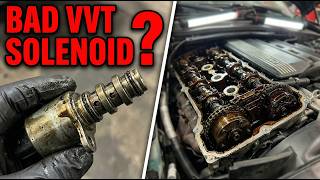
- Engine Noise: You might hear a rattling or ticking sound from the engine, especially at idle or low speeds, as the VVT system struggles to operate correctly. 🎬 See a detailed breakdown of common VVT solenoid failure symptoms.
Choosing the Right Aftermarket VVT Solenoid

When replacing the VVT solenoid on your 2014-2018 Accord, you have a choice between OEM (Original Equipment Manufacturer) and aftermarket parts. While OEM is a guaranteed fit and quality, reputable aftermarket brands can offer comparable performance at a better price.
Based on owner feedback and brand reputation, aftermarket VVT solenoids can be a mixed bag. Some fail prematurely, while others perform just as well as the original.
- Tier 1 (Premium Aftermarket): Brands like Standard Motor Products (SMP) and Beck/Arnley often have a strong reputation for quality control and engineering that meets or exceeds OEM standards. Some users have also had success finding the actual OEM supplier, like Keihin (a Hitachi subsidiary), sold under a different name.
- Tier 2 (Standard Aftermarket): Brands like Dorman offer a wide range of parts and sometimes even improve on the original design. However, owner experiences with their electronic parts and solenoids can be inconsistent; some last for years, while others fail quickly. Gates and Walker Products are also established names in this tier.
- Tier 3 (Economy): Less-known or private-label brands may offer the lowest price, but quality and longevity can be a gamble. An unmarked solenoid from an online marketplace failed one user in exactly a year.
Estimated Replacement Costs
The cost to replace a VVT solenoid varies based on the part you choose and who does the work. The job is accessible for DIYers with basic tools.
| Part/Service | Estimated Cost |
|---|---|
| New OEM Part | $150 - $400 |
| New Aftermarket Part | $70 - $380 |
| Shop Labor | $80 - $150 |
| Total Professional Replacement | $230 - $550 |
Frequently Asked Questions (FAQ)

Where is the VVT solenoid located on a 2014-2018 Accord?
On the 2.4L 4-cylinder engine, there are typically two solenoids located on the front (radiator side) of the cylinder head, near the valve cover. One controls the intake camshaft and the other controls the exhaust. The V6 engine will have a different configuration. Always verify the exact location for your specific engine before beginning work.
Is it hard to replace a VVT solenoid yourself?
For most DIYers, this is a manageable job. It typically involves disconnecting the battery, removing an electrical connector, unfastening one or more bolts, and carefully pulling the old solenoid out. You should always apply clean engine oil to the O-rings of the new solenoid before installation to ensure a good seal.
Are there any recalls for this part on my Accord?
A search of NHTSA records did not show any specific recalls for the VVT solenoid on the 2014-2018 Honda Accord. However, Honda did issue a Technical Service Bulletin (TSB) for a rattling noise on some 2008-2009 Accords related to the VTC actuator, which is part of the same system. Always check for the latest TSBs with your dealer.
Can I just clean my VVT solenoid instead of replacing it?
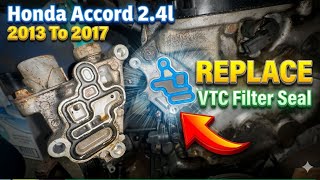
Sometimes, cleaning the solenoid and its filter screen can restore function, especially if the issue is caused by oil sludge. However, if the solenoid has failed electrically or is mechanically stuck, cleaning won't help. Given the relatively low cost of a new part and the labor involved, replacement is often the more reliable solution.
Helpful Videos

Technical Specifications
OEM Part Numbers: 15810-5A2-A01 15830-59B-004 15811-R41-L01
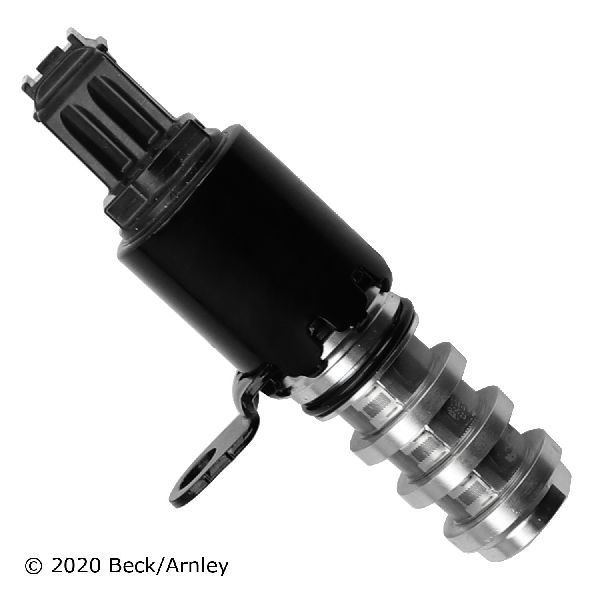
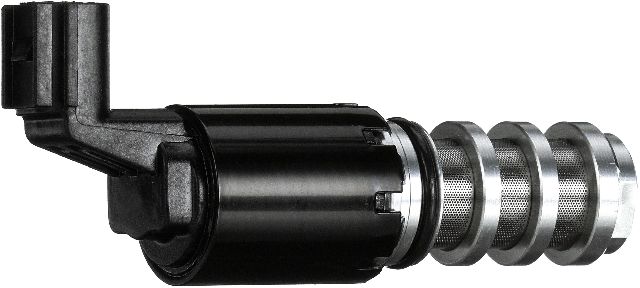
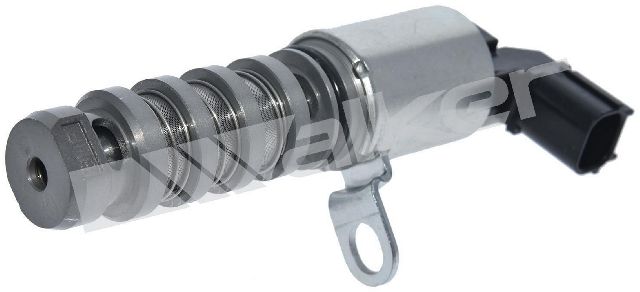
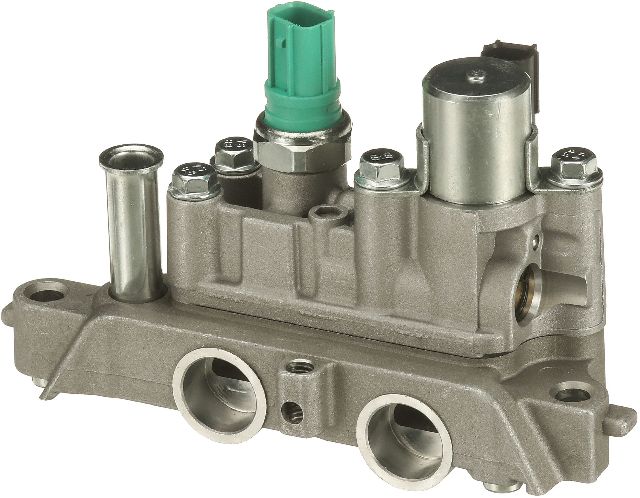
The 2014-2018 Honda Accord uses different VVT solenoids depending on the engine (2.4L 4-cylinder or 3.5L V6) and camshaft (intake or exhaust). These are typically 12V electromagnetic solenoids with 2-pin connectors. They are sealed with O-rings and mount directly to the cylinder head or engine block to control oil flow to the cam phasers.
We Have This Part in Stock


The information in this article is provided for general reference and educational purposes only. Vehicle specifications, procedures, and part compatibility can vary by production date, trim level, and region. Always consult your vehicle's factory service manual and verify part numbers before purchasing or performing repairs. Safety-critical components such as airbags, seat belts, and braking systems should be installed by a qualified professional.
- Honda Accord: