

A Ford Mechanic's Guide to 2014-2018 Ford Escape Engine Mounts
Stop the shaking and noise by choosing the right replacement engine mount for your Escape.
- The passenger-side hydraulic mount is the most common failure point and the primary cause of severe vibration.
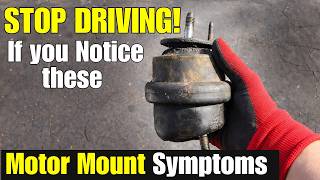
- Symptoms include intense vibration at idle, clunking noises when shifting, and visible engine rocking.
- Aftermarket brands like Anchor, DEA, and Westar are affordable but may transmit slightly more vibration than OEM.
- Replacing only the failed passenger-side mount is a common, cost-effective repair that can resolve the worst symptoms.
Is Your Escape Vibrating or Clunking? It Could Be a Bad Engine Mount

If you're feeling a strong vibration through the steering wheel at idle, or hearing a loud clunk when you shift gears, a worn-out engine mount is the most likely cause. The rubber and hydraulic fluid inside these mounts break down over time from engine heat and constant movement. The passenger-side hydraulic mount is the most common one to fail on the 2014-2018 Escape, leading to the most noticeable symptoms.
Common Failure Symptoms

- Excessive Vibration: A strong vibration felt in the steering wheel, seats, or floor, especially when the car is stopped and in gear (Drive or Reverse). This is often the first and most annoying symptom.
- Clunking and Banging Noises: Loud thuds when you accelerate, brake, or shift from Park to Drive. This is the sound of the engine moving too much and hitting other parts.
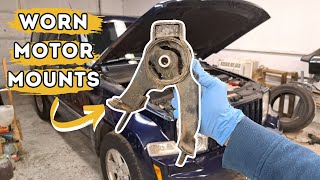
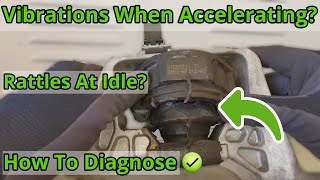
- Visible Engine Movement: With the hood open and the parking brake on, have a helper shift the car from Park to Reverse or Drive. If you see the engine lurch or rock significantly 🎬 Watch these easy DIY checks to confirm engine mount failure., a mount has failed.
- Leaking Fluid: The passenger-side mount is fluid-filled. If it fails, you may see dark, oily fluid on the mount itself or on the vehicle's frame directly below it.
Known Issue: Passenger-Side Mount Failure
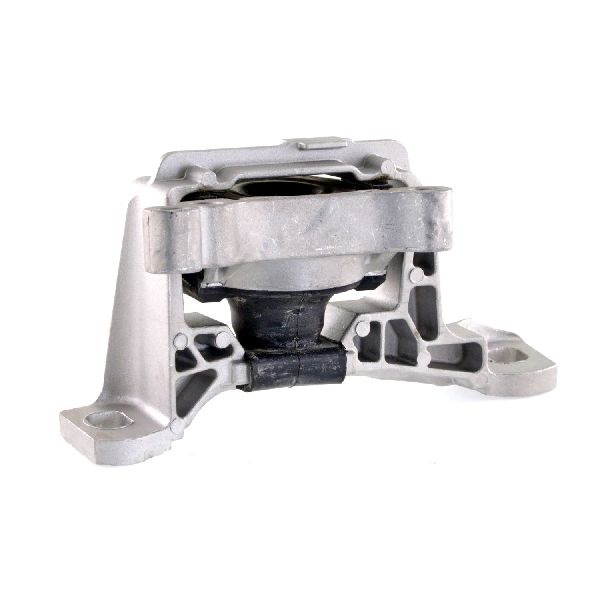
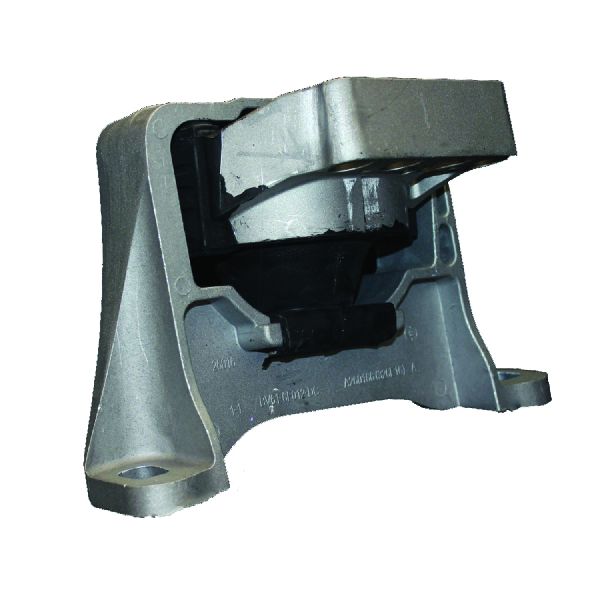
The right-side (passenger) hydraulic engine mount is a very common failure point on this generation of Ford Escape. When it collapses, the engine can sag, causing the metal part of the mount to rest directly on the frame. This transmits severe vibration directly into the cabin, making the car unpleasant to drive. When one mount fails, it puts extra stress on the others, so it's wise to inspect all of them during a replacement.
Choosing the Right Aftermarket Engine Mount

When replacing a failed mount, you have a choice between original equipment (OEM) from Ford and various aftermarket brands. While OEM parts are a direct replacement, they can be expensive. Aftermarket parts offer a more affordable solution, but quality can vary.
- OEM (Ford/Motorcraft): These parts are identical to what your Escape was built with. They generally provide the best vibration damping but are the most expensive option and the original parts are known to fail.
- Aftermarket Brands (Anchor, DEA, Westar): These brands provide a cost-effective alternative. However, some owners report that budget-friendly mounts can be made of harder rubber, which may transmit slightly more vibration into the cabin compared to a new OEM mount. For many drivers, the cost savings outweigh any minor increase in vibration.
Pro Tip: Since the passenger-side mount is the primary source of vibration issues, this is the one to focus on. If your budget is tight, replacing just the failed passenger-side mount with a quality aftermarket part can solve 95% of the problem and restore a much smoother ride.
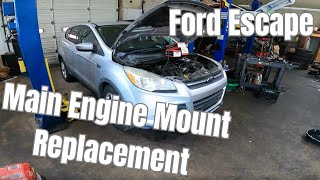
🎬 See how to replace the main passenger-side engine mount yourself.Cost to Replace Ford Escape Engine Mounts
| Part/Service | Estimated Cost |
|---|---|
| New OEM (Ford) Mount | $130 - $180+ per mount |
| New Aftermarket Mount | $65 - $117 per mount |
| Shop Labor | $200 - $400+ (for one mount) |
| Total Professional Replacement (Aftermarket Part) | $265 - $517+ |
Cost estimates are approximate and can vary based on your location and the specific repair shop. Labor costs can be higher if multiple mounts are replaced at once.
Frequently Asked Questions

How many engine mounts does my 2014-2018 Escape have?
Your Escape typically has three main mounts holding the engine and transmission: a passenger-side engine mount, a driver-side transmission mount, and a lower rear torque strut (often called a 'dog bone').
Can I replace just one bad engine mount?
Yes. It is very common to replace only the one that has failed, which is usually the passenger-side mount. However, a failed mount puts extra strain on the remaining ones, so it's a good idea to inspect the others for cracking or wear and replace them if they look weak.
Is it hard to replace an Escape engine mount myself?
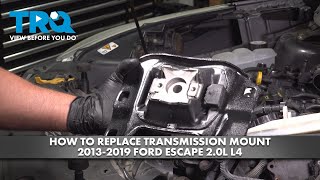
Replacing the passenger-side mount is a manageable DIY job for someone with mechanical experience. It requires supporting the engine from below with a floor jack and a block of wood, and removing components like the coolant reservoir to get access. The lower and transmission mounts can be more difficult. 🎬 Follow this guide to replace the driver-side transmission mount. If you are not comfortable supporting an engine, it is best to leave this job to a professional.
Are there any recalls for the engine mounts on my Ford Escape?
No, there are no specific safety recalls from the NHTSA for engine mounts on the 2014-2018 Ford Escape. There have been recalls for other engine and vehicle issues, but not the mounts themselves.
Helpful Videos
Technical Specifications
OEM Part Numbers: CV6Z-6038-A BV6Z-6038-A CV6Z-6038-B
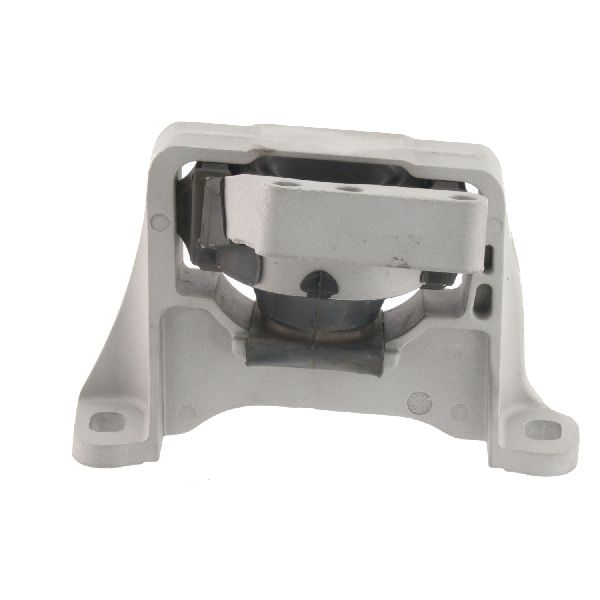
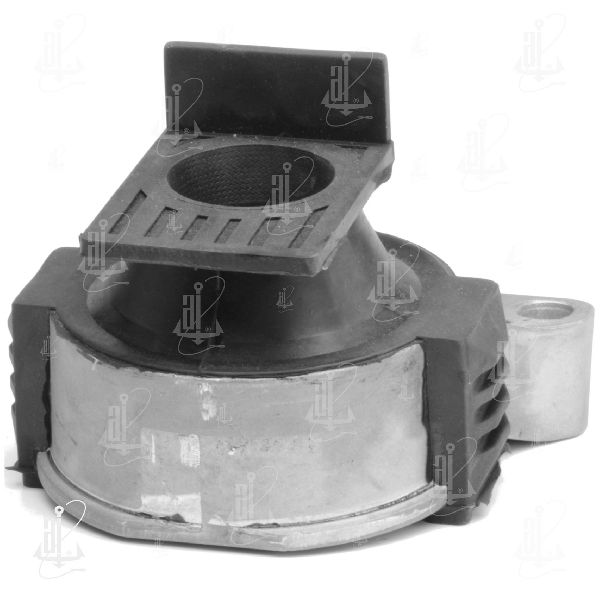
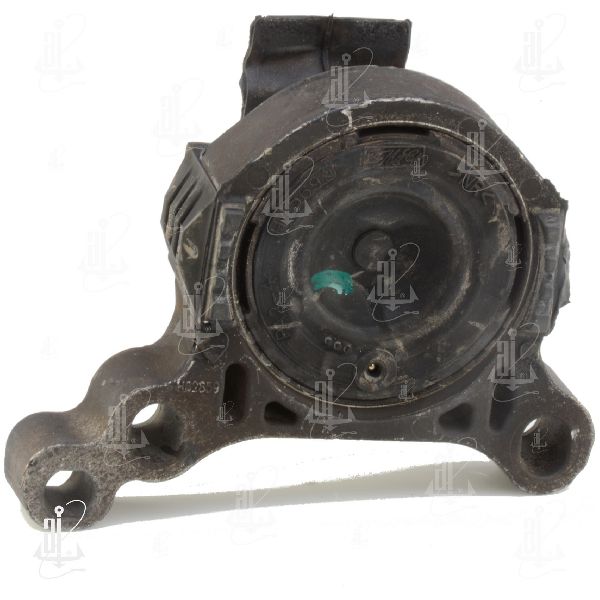
The 2014-2018 Ford Escape uses a system of three primary mounts. The key component is the right (passenger-side) hydraulic engine mount, which is fluid-filled to dampen vibrations. The other mounts are a left-side transmission mount and a rear lower torque strut mount (dog bone).
We Have This Part in Stock


The information in this article is provided for general reference and educational purposes only. Vehicle specifications, procedures, and part compatibility can vary by production date, trim level, and region. Always consult your vehicle's factory service manual and verify part numbers before purchasing or performing repairs. Safety-critical components such as airbags, seat belts, and braking systems should be installed by a qualified professional.
- Ford Escape: