

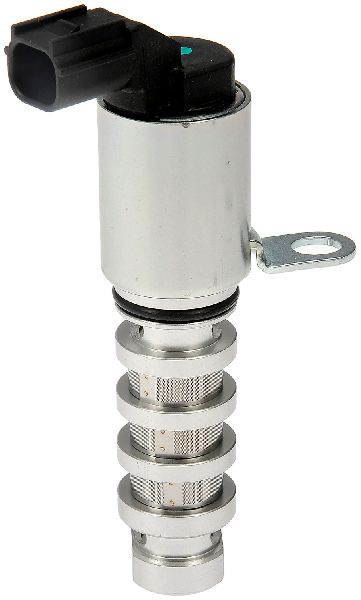
Honda CR-V Engine Variable Valve Timing (VVT) Solenoid Guide: 2013-2024
Solve your CR-V's rough idle, poor fuel economy, and check engine light by understanding the VVT solenoid.
- A bad VVT solenoid is a common issue, but first check that your engine oil is clean and at the proper level, as low or dirty oil is the leading cause of failure.
- If your main symptom is a 2-second rattle on a cold start, suspect the VTC actuator, not the solenoid, especially on 2013-2014 models.
- Replacement is a simple DIY job for most owners, typically requiring less than an hour and basic tools.
- Quality aftermarket brands like Dorman, Standard, and Gates are reliable alternatives to more expensive OEM parts.
Is Your CR-V's VVT Solenoid Failing?

A faulty Variable Valve Timing (VVT) solenoid can cause noticeable problems with your CR-V's engine. Because this part is critical for engine timing, its failure will often trigger a check engine light and lead to poor performance. The most common cause of failure is contaminated or old engine oil, which clogs the small passages and filter screens inside the solenoid.
Key Failure Symptoms
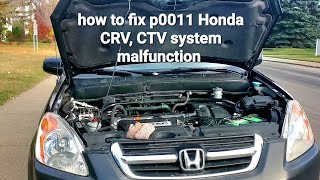
- Check Engine Light: This is the most common sign. You may see codes like P0010, P0011, or P1009.
- Rough Idle and Stalling: Your engine may shake or run unevenly when stopped, and in some cases, it may stall completely.
- Poor Acceleration: The CR-V may feel sluggish or hesitant when you press the gas pedal.
- Reduced Fuel Economy: A bad solenoid can cause the engine to get stuck in a timing position that burns more fuel than necessary.
- Rattling or Ticking Engine Noise: You might hear a distinct noise from the engine, especially at low speeds, as the VVT system struggles to operate correctly.
Important: VVT Solenoid vs. VTC Actuator Rattle
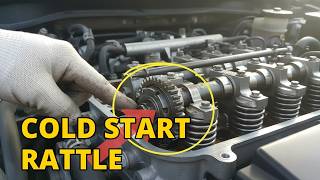
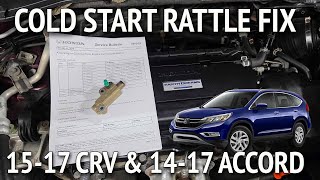
For 2013-2014 Honda CR-Vs with the 2.4L engine, there is a known issue that can be confused with a bad solenoid. A loud, 2-second rattle during a cold start (especially in temperatures below 40°F) is often caused by a faulty VTC actuator, not the solenoid. Honda issued Technical Service Bulletins (TSBs) for this problem. While the solenoid controls the actuator, the actuator itself is the mechanical gear that fails and creates the noise. If your only symptom is this specific startup rattle, the VTC actuator is the more likely culprit.
Choosing the Right Aftermarket VVT Solenoid

While some mechanics recommend sticking with OEM parts for Honda electronics to ensure reliability, quality aftermarket solenoids offer a dependable and affordable alternative. Aftermarket brands often match OEM performance and may even include improvements to address common failure points. The brands available can be grouped into tiers based on market reputation.
- Tier 1 - Established Aftermarket Leaders: Brands like Dorman, Standard Ignition (SMP), and Gates are well-known in the industry. They have a reputation for producing reliable parts that are direct-fit replacements. Gates, in particular, is a specialist in timing system components.
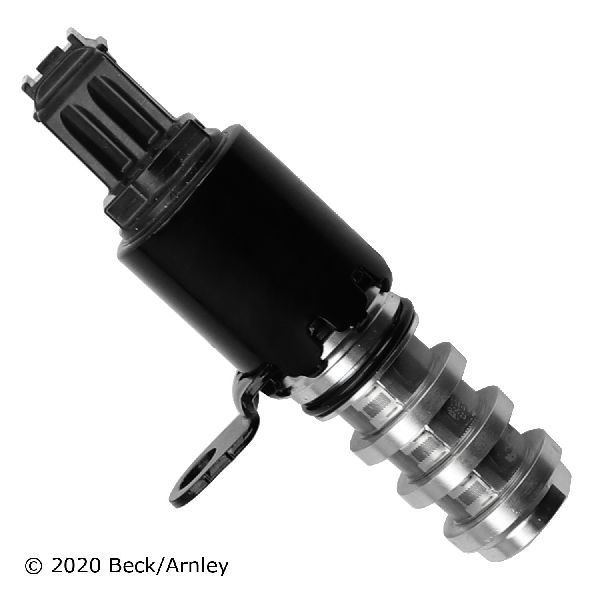
- Tier 2 - Quality Alternatives: Brands such as Beck Arnley, Walker Products, and Holstein offer a balance of quality and value. They provide broad coverage for many vehicles and are a solid choice for most repairs.
- Tier 3 - Value-Focused Options: Brands like Global Parts and Rostra Powertrain are often more budget-friendly. These can be suitable for cost-conscious repairs, but it's important to ensure they come with a good warranty.
Pro Tip: Regardless of the brand you choose, always perform an oil change with the correct grade of oil when you replace a VVT solenoid. Since dirty oil is the number one cause of failure, starting with a clean system is the best way to protect your new part.
VVT Solenoid Replacement Cost for 2013-2024 Honda CR-V

| Part/Service | Estimated Cost |
|---|---|
| New OEM Part | $75 - $300 |
| New Aftermarket Part | $44 - $293 |
| Shop Labor | $80 - $170 |
| Total Estimated Repair (Aftermarket) | $124 - $463 |
Cost estimates are based on national averages and may vary by location and specific CR-V model (2.4L vs. 1.5T).
Frequently Asked Questions

Can I clean my VVT solenoid instead of replacing it?
While cleaning a VVT solenoid is sometimes possible and may temporarily fix the issue, it is often not a long-term solution. Internal seals can wear out, and electrical components can fail in ways that cleaning cannot resolve. Given the relatively low cost of an aftermarket part and the labor involved, replacement is usually the more reliable option.
Is replacing a VVT solenoid a difficult DIY job?
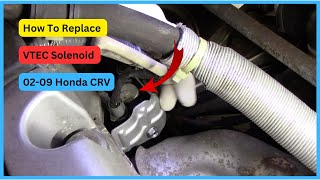
For most 2013-2024 CR-V models, this is a DIY-friendly repair with a low difficulty rating. The solenoid is typically located on the top or side of the engine and is secured by only a few bolts. The job usually takes less than an hour with basic hand tools like a socket wrench.
What is the difference between an intake and exhaust VVT solenoid?
Engines with dual variable valve timing have separate solenoids for the intake and exhaust camshafts. While they perform the same function, they are often not interchangeable. Always verify the correct part number for the specific solenoid you are replacing.
Why is my check engine light still on after replacing the solenoid?
First, ensure you have cleared the diagnostic trouble codes with an OBD2 scanner after the repair. If the light returns, the problem may lie elsewhere. Common related issues include low oil pressure, a faulty camshaft position sensor, a stretched timing chain, or a failed VTC actuator.
Helpful Videos
Technical Specifications
OEM Part Numbers: 15830-59B-004 (for 1.5L Turbo engine)
The specific OEM part number varies between the 2.4L naturally aspirated engine (2013-2016) and the 1.5L turbocharged engine (2017-2024). Always verify the part number with your vehicle's VIN before ordering.
We Have This Part in Stock


The information in this article is provided for general reference and educational purposes only. Vehicle specifications, procedures, and part compatibility can vary by production date, trim level, and region. Always consult your vehicle's factory service manual and verify part numbers before purchasing or performing repairs. Safety-critical components such as airbags, seat belts, and braking systems should be installed by a qualified professional.
- Honda CR-V: