

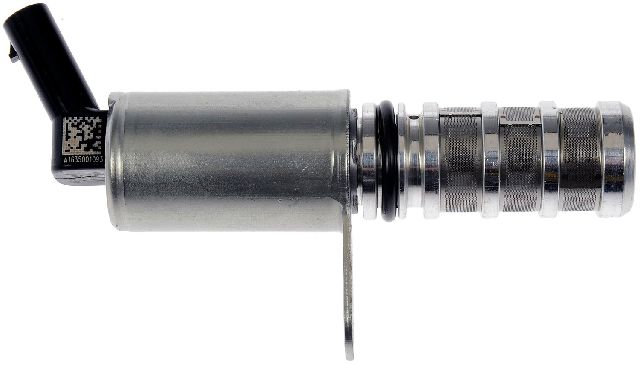
Chevrolet Trax Engine VVT Solenoid Guide: 2013-2022
Diagnose and fix poor engine performance in your Trax by understanding its VVT solenoids.
- The primary cause of VVT solenoid failure is old or dirty engine oil; regular oil changes are the best prevention.
- Look for diagnostic trouble codes P0010, P0011, P0013, or P0014 as a clear sign of a VVT system problem.
- It is strongly recommended to replace both intake and exhaust solenoids at the same time to ensure a lasting repair.
- This is a very DIY-friendly repair that can be done in under an hour with basic tools, saving on labor costs.
Is Your Trax Running Rough? It Could Be the VVT Solenoids


If your 2013-2022 Chevrolet Trax is experiencing a sudden drop in fuel economy, a rough idle, or has the Check Engine Light on, faulty VVT solenoids are a likely culprit. These parts are a common failure point, but the good news is that they are relatively inexpensive and easy to replace.
Symptoms of VVT Solenoid Failure
A failing VVT solenoid will almost always trigger a Check Engine Light. You can use an OBD-II scanner to check for specific codes. 🎬 Watch: How to fix fault codes P0010 and P0013 Beyond the warning light, you may also notice:
- Rough Idle: The engine may shake or sound unstable when you're stopped.
- Poor Performance: Your Trax may feel sluggish, hesitate during acceleration, or struggle to climb hills.
- Decreased Fuel Economy: An inefficiently timed engine burns more gas.
- Engine Stalling: In more severe cases, the engine may stall at low speeds.
- Engine Noise: You might hear a rattling or ticking sound from the top of the engine.
The Main Cause of Failure: Engine Oil
The number one cause of VVT solenoid failure is contaminated or low engine oil. The solenoids have fine mesh screens that can become clogged by old, dirty oil or sludge. 🎬 See how to diagnose timing codes caused by oil issues Sticking to your Trax's recommended oil change schedule with high-quality, full synthetic oil is the best way to prevent this problem.
Choosing the Right Aftermarket VVT Solenoid
For the 2013-2022 Trax, you have several aftermarket brands to choose from. While an OEM part from the dealer is an option, aftermarket parts offer comparable quality at a better price. It's highly recommended to replace both the intake and exhaust solenoids at the same time, as they wear at a similar rate.
- Premium Aftermarket (e.g., Standard Ignition, Gates, NGK): These brands have a strong reputation for producing reliable engine management components. Gates, for example, is well-known for timing-related parts. They are an excellent balance of quality and value.
- Value-Oriented Aftermarket (e.g., Dorman, Global Parts): Dorman is a widely available brand that often provides a direct-fit replacement. While some professional mechanics have noted concerns about the long-term durability of aftermarket electronic parts compared to OEM, they remain a popular and budget-friendly choice for a DIY repair. Many kits are available that include both solenoids for a complete job.
| Part/Service | Estimated Cost |
|---|---|
| New Aftermarket Part (Single) | $29.95 - $84.82 |
| New OEM Part (Single) | $50 - $90 |
| Shop Labor | $45 - $150 |
| Total Professional Replacement | $183 - $263 |
Pro Tip: A DIY-Friendly Job
Replacing the VVT solenoids on a Chevy Trax is a great job for a beginner DIYer. They are located on the top/side of the engine and are easily accessible after removing the plastic engine cover and possibly the air intake box. The job typically requires only a 10mm socket and can be completed in under an hour.
🎬 Watch this fast and easy DIY solenoid replacement walkthroughFrequently Asked Questions

Do I have to replace both VVT solenoids at once?
It is highly recommended. The intake and exhaust solenoids experience the same conditions and wear at a similar rate. If one has failed, the other is likely not far behind. Replacing them in pairs saves you from doing the same job twice.
Can I just clean the VVT solenoid?
Some owners attempt to clean the solenoid screens with a degreaser as a temporary fix. However, failure is often electrical or internal. Cleaning a clogged screen doesn't fix a worn-out solenoid, so replacement is the only reliable, long-term solution.
Is there a recall on the Trax for VVT solenoids?
As of early 2026, there are no specific NHTSA recalls or widespread Technical Service Bulletins (TSBs) for VVT solenoid failure on the 2013-2022 Chevrolet Trax. Problems with this part are generally handled as individual repairs.
What's the difference between the intake and exhaust solenoid?
On many GM engines, the intake and exhaust solenoids are physically identical and can be interchanged. However, it is critical to verify the correct part number for your specific vehicle year and engine (1.4L or 1.8L), as some applications use distinct parts. They are identified by their position on the engine—one for the intake camshaft and one for the exhaust camshaft.
Helpful Videos
Technical Specifications
OEM Part Numbers: 55562224 55567050 12671373 12701385
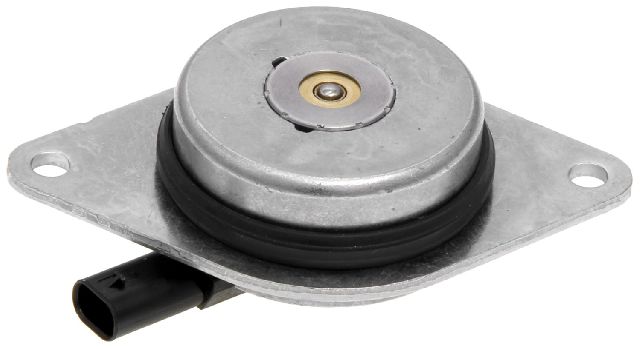
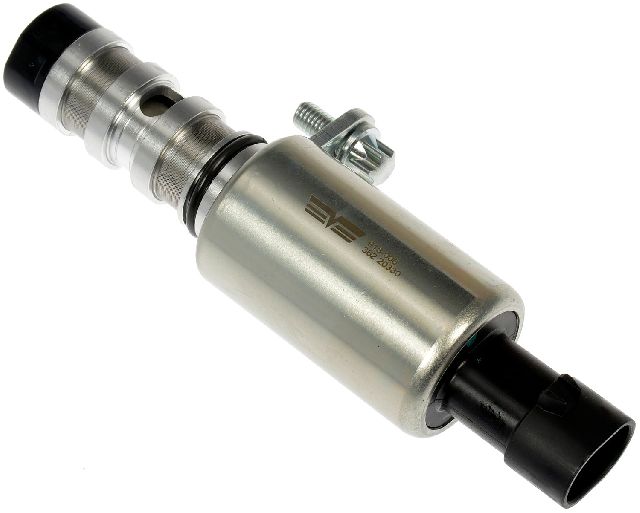
Activation Type: Electromagnetic, Terminal Quantity: 2, Connector Type: Plug and Socket.
We Have This Part in Stock


The information in this article is provided for general reference and educational purposes only. Vehicle specifications, procedures, and part compatibility can vary by production date, trim level, and region. Always consult your vehicle's factory service manual and verify part numbers before purchasing or performing repairs. Safety-critical components such as airbags, seat belts, and braking systems should be installed by a qualified professional.
- Chevrolet Trax: