

A Practical Guide to Replacing Oxygen Sensors on the 2013-2022 Buick Encore
Is a bad oxygen sensor causing your Encore's check engine light and poor gas mileage? Here’s what you need to know.
- The 2013-2022 Buick Encore has two O2 sensors; confirm if you need the upstream or downstream before buying.
- Rule out common 1.4L engine vacuum leaks (PCV valve, intake manifold) that can trigger a P0171 code before replacing sensors.
- For reliability, choose OEM (ACDelco) or premium aftermarket brands like Denso, Bosch, or NGK.
- A special 22mm (7/8") oxygen sensor socket is required for replacement.
Is Your Buick Encore's Oxygen Sensor Failing?

When an oxygen sensor starts to go bad, your car will usually tell you. The most obvious sign is the check engine light turning on. You might also notice your fuel economy getting worse, a rough or shaky idle, or the engine hesitating when you try to accelerate. In some cases, you might even smell a 'rotten egg' odor from the exhaust, which can be a sign the catalytic converter is struggling.
First, Check for Other Common Encore Issues
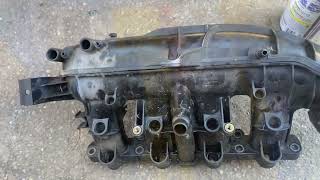
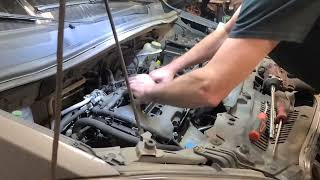
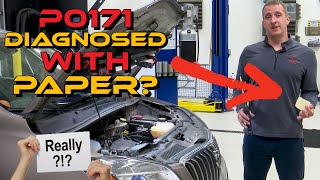
Before you blame the oxygen sensor, be aware of a very common problem on the 1.4L turbo engine. A faulty PCV valve inside the valve cover or a cracked intake manifold can cause a vacuum leak. This leak often triggers a P0171 "System Too Lean" code, which can easily be mistaken for a bad oxygen sensor. 🎬 Watch: How to diagnose a P0171 code before replacing sensors. A mechanic can perform a smoke test to check for leaks, which is recommended before replacing sensors.
Choosing the Right Aftermarket Oxygen Sensor

When shopping for a new oxygen sensor, you'll find many brands. While saving money is tempting, sensor quality is critical for your engine to run properly. Low-quality sensors can fail quickly or provide inaccurate readings, causing continued performance issues. Here’s a breakdown of the brands available:
- Tier 1: OEM & Premium OE Brands. These are your safest bet.
- ACDelco: This is the original GM parts brand and the part your Encore came with from the factory. Many experienced mechanics recommend sticking with ACDelco to avoid problems.
- Denso, Bosch, NGK (NTK): These companies are major suppliers of original parts to car manufacturers worldwide. Bosch actually invented the modern oxygen sensor. They are known for their high quality and reliability and are considered an excellent alternative to ACDelco.
- Tier 2: Quality Aftermarket Brands. These brands can offer a good balance of price and quality.
- Delphi: A well-known brand that has a long history of supplying parts to GM.
- Spectra Premium: A reputable aftermarket manufacturer offering a wide range of parts.
- Tier 3: Budget Brands. These are the most affordable but can be a gamble.
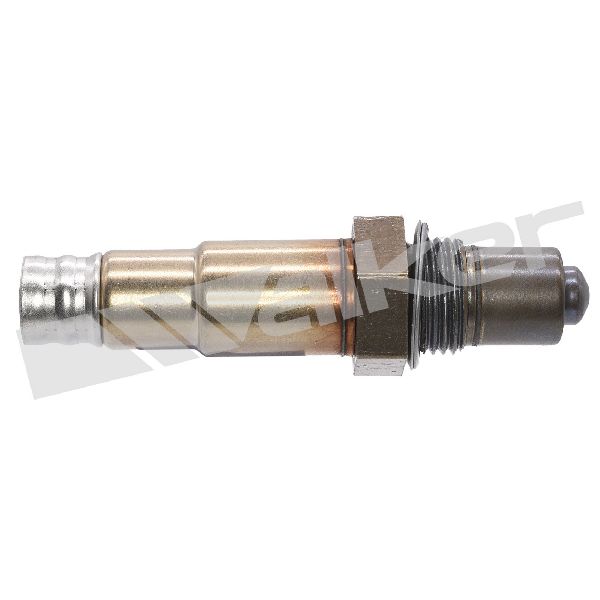
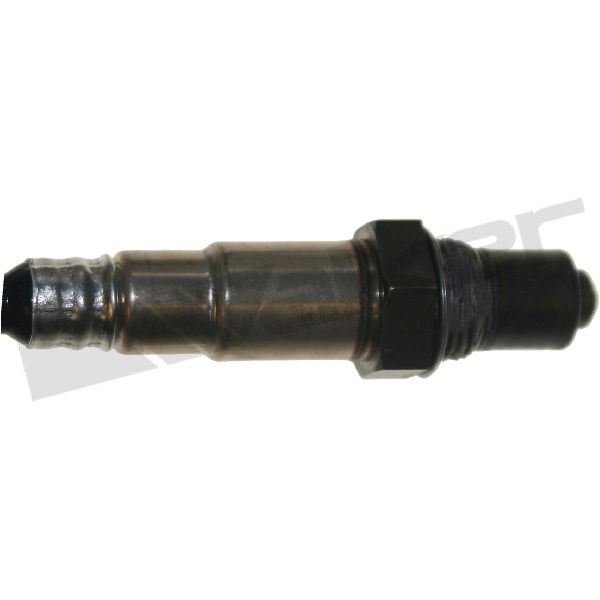
- DriveWire, Facet, Walker Products: While the low price is attractive, some professional technicians and owners have reported issues with longevity and accuracy from budget brands. If your budget is tight, they are an option, but be aware that you might be replacing them again sooner than you'd like.
| Part / Service | Estimated Cost |
|---|---|
| New OEM (ACDelco) | $80 - $160 |
| New Aftermarket | $37 - $127 |
| Shop Labor (per sensor) | $75 - $225 |
Pro Tip: Upstream vs. Downstream
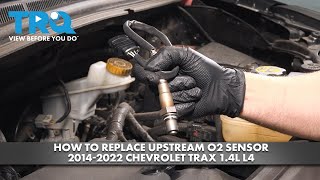
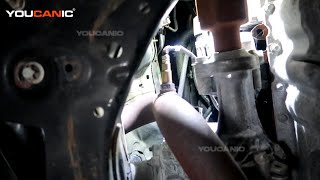
Your Encore has two sensors that are not interchangeable. The Upstream sensor (also called Bank 1, Sensor 1) is before the catalytic converter and is crucial for fuel control. 🎬 See this walkthrough for replacing the upstream oxygen sensor. The Downstream sensor (Bank 1, Sensor 2) is after the catalytic converter and mainly checks emissions. 🎬 Watch: Step-by-step guide to replacing the downstream oxygen sensor. Always confirm which sensor your trouble code is pointing to before buying a replacement.
Frequently Asked Questions


How many oxygen sensors does my 2013-2022 Buick Encore have?
The standard 1.4L engine in the Buick Encore has two oxygen sensors: one upstream (before the catalytic converter) and one downstream (after the catalytic converter).
Can I replace an oxygen sensor myself?
Yes, this is a DIY-friendly job for someone with moderate experience. The main challenge is often the sensor being seized or stuck in the exhaust pipe due to rust. You will need a special tool called a 22mm (or 7/8") oxygen sensor socket, which has a slot for the wire. Using penetrating oil is highly recommended to help loosen the old sensor.
Should I replace both sensors at the same time?
You don't have to, but it's often a good idea. Oxygen sensors wear out over time, typically lasting between 60,000 and 100,000 miles. If one has failed due to age, the other may not be far behind. Replacing them in pairs can save you from having to do the job again in the near future.
Can I clean my old oxygen sensor instead of replacing it?
While some people attempt to clean O2 sensors, it is generally not effective or recommended. The internal sensing element can become contaminated or simply wear out, and cleaning the outside won't fix that. Replacement is the only reliable solution.
Helpful Videos
Technical Specifications
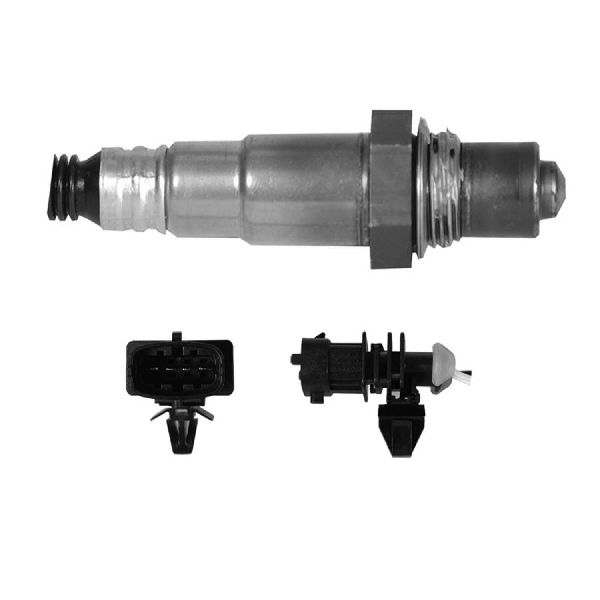
OEM Part Numbers: 55574135 213-4764 25203197
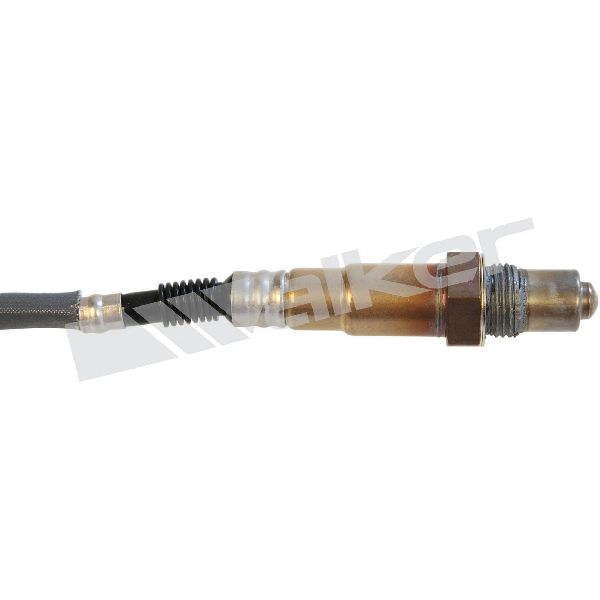
The 1.4L Turbo engine uses two 4-wire heated oxygen sensors. One is an upstream sensor (Bank 1, Sensor 1) for air/fuel ratio control, and the other is a downstream sensor (Bank 1, Sensor 2) for catalyst monitoring.
We Have This Part in Stock



The information in this article is provided for general reference and educational purposes only. Vehicle specifications, procedures, and part compatibility can vary by production date, trim level, and region. Always consult your vehicle's factory service manual and verify part numbers before purchasing or performing repairs. Safety-critical components such as airbags, seat belts, and braking systems should be installed by a qualified professional.
- Buick Encore: