

A Guide to the Catalytic Converter for the 2013-2022 Buick Encore
If you're seeing a P0420 check engine light or experiencing poor engine performance, your catalytic converter may be the culprit.
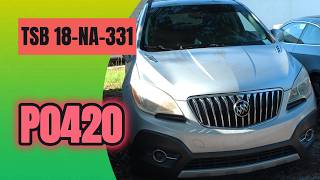
- Before replacing a converter for a P0420 code, check for TSB 18-NA-331, as a software update may be the fix for 2013-2015 models.
- Always diagnose and fix the root cause of converter failure (e.g., misfires, oil leaks) to protect the new part.
- Choose a direct-fit aftermarket converter for easier installation; brands like MagnaFlow and Walker are well-regarded for quality.
- OEM converters are significantly more expensive than aftermarket options, with labor costs being relatively low for this repair.
Is Your Buick Encore's Catalytic Converter Failing?


A failing catalytic converter isn't always obvious, but there are several key signs to watch for. The most common is the check engine light illuminating on your dashboard, often with the diagnostic trouble code (DTC) P0420, which means "Catalyst System Efficiency Below Threshold." This code indicates the converter is no longer cleaning the exhaust gases effectively. Other symptoms include:
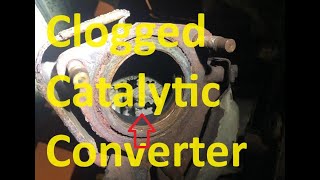
- Reduced Engine Power: You might notice your Encore feels sluggish or has poor acceleration because a clogged converter restricts exhaust flow.
- Lower Fuel Economy: When your engine has to work harder to push exhaust gases out, it burns more fuel.
- Rotten Egg Smell: A sulfur-like smell from the exhaust is a classic sign of a converter that isn't processing gases correctly.
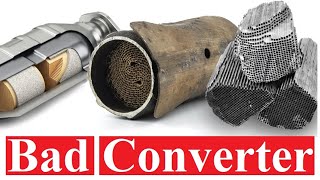
- Rattling Noises: The ceramic honeycomb inside the converter can break apart over time, causing a rattling sound from underneath the vehicle.
Important TSB for P0420 Code
Before you replace the converter, be aware of GM Technical Service Bulletin (TSB) 18-NA-331. For some 2013-2015 Buick Encore models with the 1.4L engine, a P0420 code can be caused by a software issue. A simple software update at a dealership or qualified shop might fix the problem without needing an expensive part replacement. Always check if this TSB applies to your vehicle first.
Choosing the Right Aftermarket Catalytic Converter

When replacing the converter on your Encore, you'll find that Original Equipment (OEM) parts from a dealer are very expensive. Aftermarket parts offer a more affordable solution, but quality can vary. They are generally categorized by their compliance with either Federal EPA standards or the stricter California Air Resources Board (CARB) standards.
Aftermarket Brand Tiers
Not all aftermarket brands are created equal. Here’s a general breakdown of what to expect:
- Premium Brands (e.g., MagnaFlow, Walker): These brands are well-regarded in the exhaust industry. They often use higher-quality materials like stainless steel and have more of the precious metals needed for long-term emissions compliance. Mechanics frequently trust MagnaFlow and Walker for good fitment and reliability that comes close to OEM standards.
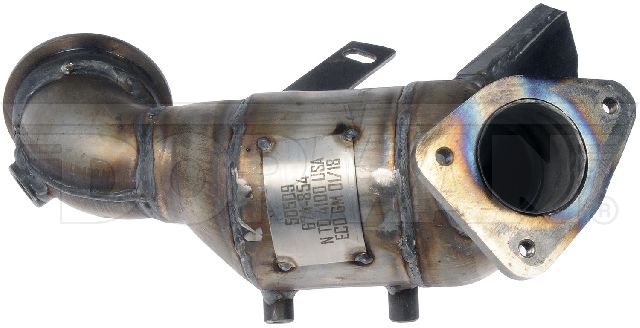
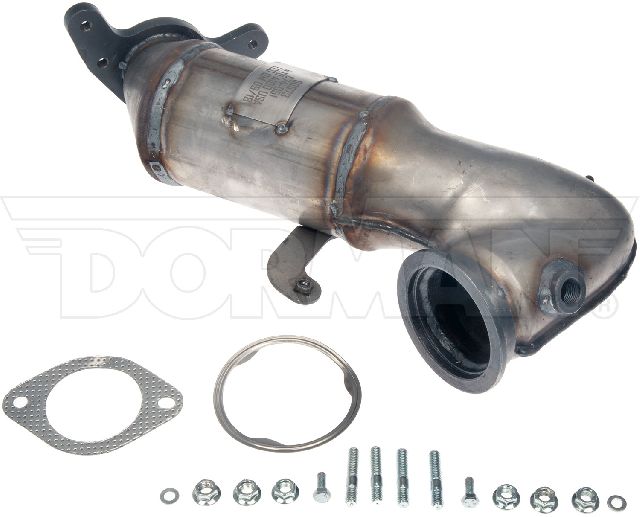
- Mid-Grade Brands (e.g., Dorman, Eastern Catalytic, AP Exhaust): These brands provide a good balance of affordability and quality. Dorman is a widely known aftermarket manufacturer, and their parts are often designed for easy, direct-fit installation. While generally reliable, some professional opinions suggest aftermarket converters may not last as long as OEM units.
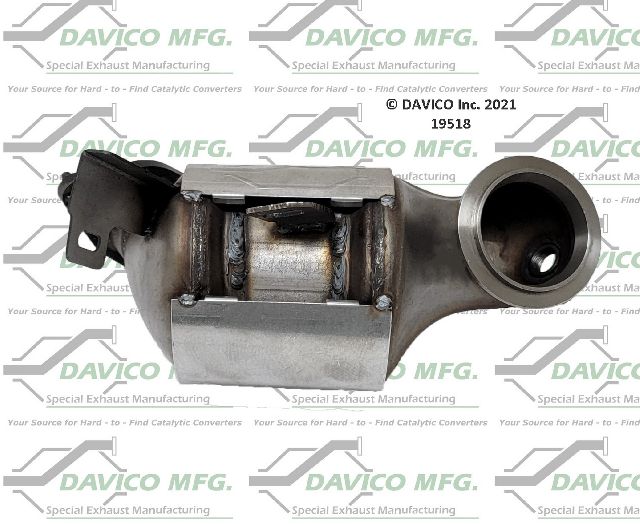
- Economy Brands (e.g., Evan Fischer, Davico): These are the most budget-friendly options. They can be a good choice if you need to get your vehicle back on the road for the lowest cost. However, be prepared for potential trade-offs in longevity and perfect fitment.
Direct-Fit vs. Universal Converters
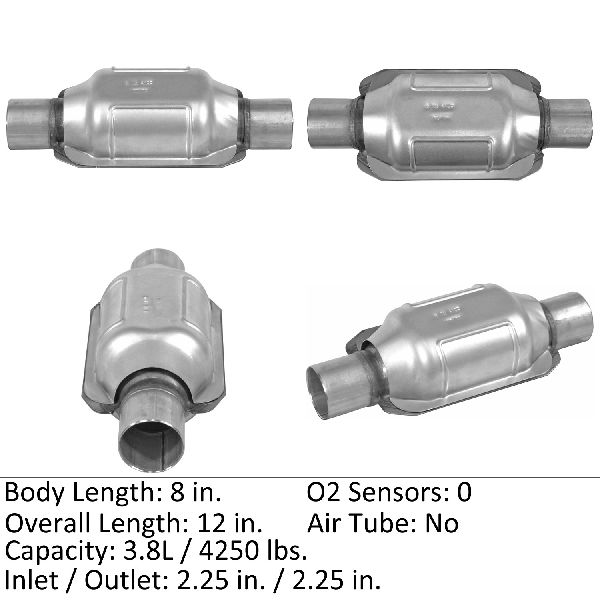
For the Buick Encore, you will almost always want a direct-fit converter. These are designed to bolt right into the factory location with no cutting or welding required, making installation much simpler. Universal converters are cheaper but require professional welding and fabrication to install, which can increase labor costs significantly.
Cost of Replacing a Buick Encore Catalytic Converter

The cost can vary widely based on the part you choose and local labor rates. Always address the root cause of the failure (like engine misfires or oil leaks) to avoid damaging the new converter.
| Part/Service | Estimated Cost |
|---|---|
| New OEM Part | $1,086 - $1,610 |
| New Aftermarket Part | $87 - $1,127 |
| Shop Labor | $146 - $215 |
| Total Aftermarket Replacement | $233 - $1,342 |
Frequently Asked Questions
Why did my original catalytic converter fail?
Catalytic converters usually fail because of an underlying engine problem. Common causes include engine misfires from bad spark plugs or ignition coils, oil or coolant leaking into the exhaust, or a faulty oxygen sensor. These issues can cause the converter to overheat or become contaminated, destroying the internal catalyst. A converter should last the life of the vehicle if the engine is running correctly.
What is a P0420 code and will a new converter fix it?
P0420 stands for "Catalyst System Efficiency Below Threshold (Bank 1)." It means the downstream oxygen sensor is detecting that the converter is no longer effectively cleaning the exhaust. While a failed converter is a common cause, the code can also be triggered by a faulty oxygen sensor, an exhaust leak, or even a software glitch (as noted in TSB 18-NA-331). It's crucial to diagnose the problem correctly before replacing parts. Sometimes, replacing the converter doesn't fix the light if the root cause was something else.
Do I need a CARB-compliant converter?
If your vehicle is registered in California or a state that has adopted CARB emissions standards (like New York, Maine, etc.), you are legally required to install a CARB-compliant catalytic converter. Federal (EPA) converters are not legal for sale or installation in these states. CARB converters are more expensive because they contain a higher load of precious metals to meet stricter standards.
Are there any recalls for the Buick Encore converter?
There have been voluntary emissions recalls for some 2020-2021 and 2023 Buick Encore GX models (which is a different vehicle than the standard Encore) due to incorrect catalytic converters being installed at the factory. There are no widespread recalls for the 2013-2022 Buick Encore's catalytic converter for premature failure. You can always check for recalls on your specific vehicle using your VIN on the NHTSA website.
Helpful Videos
Technical Specifications
OEM Part Numbers: 19420225 19420251 42725665 25196720 55578984 55579322 55569310 25196253
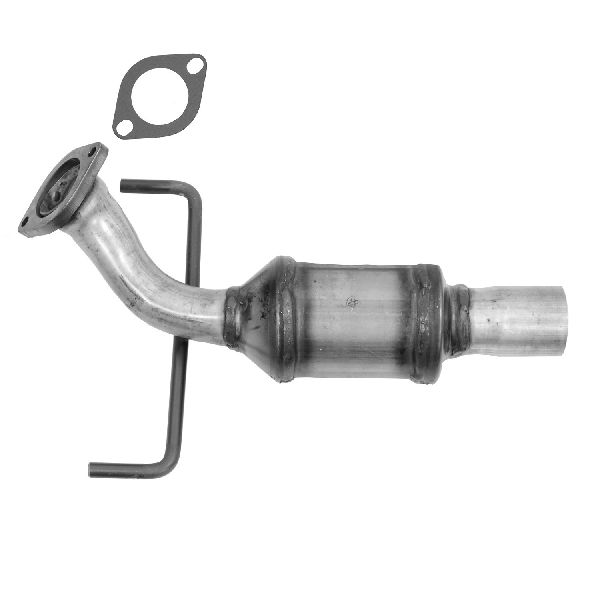
The Buick Encore uses a direct-fit catalytic converter integrated with the exhaust manifold for the front unit and a separate rear converter. The primary engine is a 1.4L Turbo. Ensure the replacement part is specified for your vehicle's model year and emissions requirements (Federal EPA vs. CARB).
We Have This Part in Stock


The information in this article is provided for general reference and educational purposes only. Vehicle specifications, procedures, and part compatibility can vary by production date, trim level, and region. Always consult your vehicle's factory service manual and verify part numbers before purchasing or performing repairs. Safety-critical components such as airbags, seat belts, and braking systems should be installed by a qualified professional.
- Buick Encore: