

Ford Escape Fuel Pressure Sensor Guide (2013-2021)
Solving stalling, rough idle, and check engine lights in your 2013-2021 Ford Escape.
- A bad fuel pressure sensor is a known issue for 2013-2021 Escapes, causing stalling, power loss, and check engine lights with codes like P0087 or P018C.
- This part is the low-pressure sensor, located on the fuel line near the firewall on the driver's side.
- High-quality aftermarket brands like Bosch and Standard Ignition are reliable alternatives to the more expensive OEM part.
- While DIY replacement is possible, access is tight and requires care to avoid damaging the fuel line.
Is Your Ford Escape Stalling or Running Rough?

If your 2013-2021 Ford Escape is experiencing a loss of power, stalling, or has the Check Engine Light on, a failing fuel pressure sensor could be the problem. This sensor is a known failure point, and when it goes bad, it can cause a variety of frustrating engine issues. The good news is that it's a replaceable part, and understanding the symptoms can help you diagnose the problem correctly.
Common Symptoms of a Bad Fuel Pressure Sensor
A faulty fuel pressure sensor sends incorrect information to your Escape's computer, leading to poor engine performance. Watch for these common signs:
- Check Engine Light: This is often the first sign. You may see codes like P0087, P018C, P00C6, or P008A.
- Lack of Power: The vehicle may feel sluggish and hesitate when you accelerate.
- Stalling: The engine may stall unexpectedly at idle or while driving.
- Hard Starting: Your Escape might take longer than usual to start, or you might have to crank the engine for several seconds.
- Poor Fuel Economy: If you're filling up your tank more often, a bad sensor could be causing the engine to use more fuel than necessary.
Known Issues: TSB for 2013-2015 Models
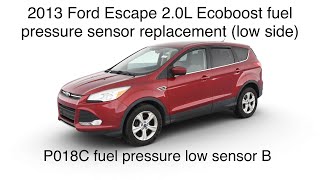
Ford issued a Technical Service Bulletin (TSB SSM 48397) for 2013-2015 🎬 Watch: How to fix stalling and P0087 codes on EcoBoost engines. Escape models with 1.5L, 1.6L, and 2.0L GTDI engines. This bulletin acknowledges that a lack of power or stalling with codes like P0087 and P018C can be caused by a failed Fuel Low Pressure (FLP) sensor. It confirms the sensor can be replaced by itself without replacing the entire fuel line.
🎬 See this walkthrough for replacing the low pressure side sensor.Choosing the Right Aftermarket Sensor

When choosing a replacement, you have several options. While the Ford (Motorcraft) part is always a safe bet, high-quality aftermarket brands offer reliable performance, often at a better price.
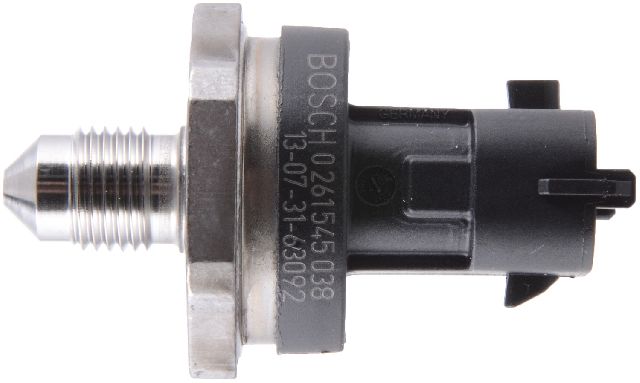
- Premium Brands (Bosch): Bosch is a well-respected OEM supplier for many car manufacturers. Choosing a Bosch sensor is often equivalent to getting an OEM part in a different box. They are known for quality and long-term stability.
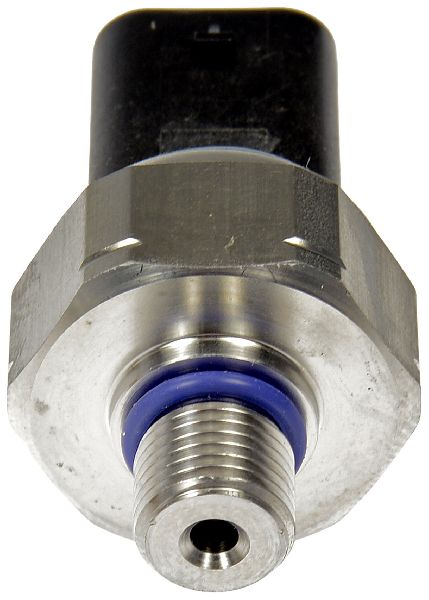
- Quality Aftermarket (Standard Ignition, Dorman): Brands like Standard Ignition (SMP) and Dorman offer a good balance of quality and price. They are direct-fit replacements designed to match original function and are a common choice for professional repair shops and DIYers.
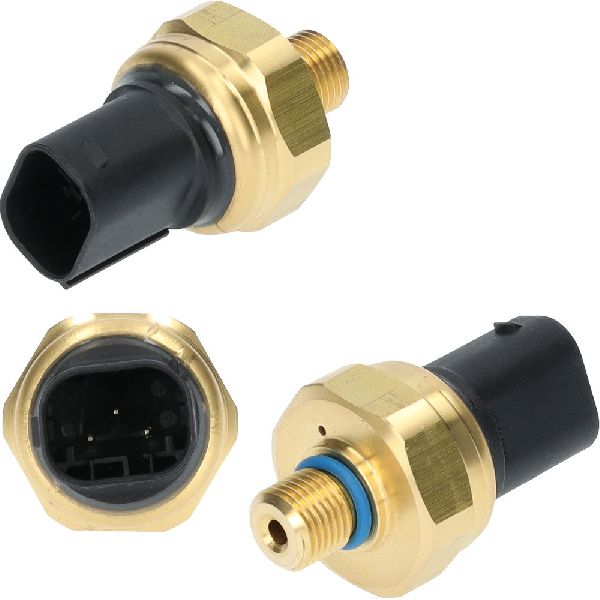
- Economy Brands (Global Parts, Vemo): These brands provide a budget-friendly option. While they meet basic fit and function requirements, they may not have the same long-term durability as premium brands.
Pro Tip: Low-Pressure vs. High-Pressure Sensor
Your Escape has two fuel pressure sensors. The most common one to fail is the low-pressure sensor, located on the fuel line before the high-pressure pump. The other is the high-pressure sensor on the fuel rail. Make sure you are ordering the correct part for your diagnosis.
Cost of Replacing the Fuel Pressure Sensor

The cost depends on the brand of the part and whether you do the work yourself or hire a professional.
| Part / Service | Estimated Cost |
|---|---|
| New OEM (Motorcraft) Part | $70 - $150 |
| New Aftermarket Part | $42 - $182 |
| Shop Labor | $100 - $225 |
| Total Professional Replacement | $142 - $407 |
Frequently Asked Questions (FAQ)

Can I drive my Escape with a bad fuel pressure sensor?
It is not recommended. While the car may still run, a faulty sensor can cause stalling, which is dangerous in traffic. Continuing to drive can also lead to more expensive damage to other engine components.
Where is the fuel pressure sensor located?
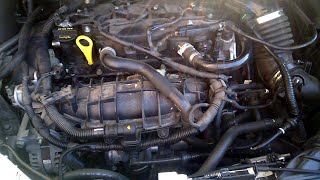
The low-pressure fuel sensor is on the driver's side of the engine, near the firewall. It is mounted on the fuel line that goes to the high-pressure fuel pump. Access can be tight, and you may need to remove the air filter housing to reach it.
What does the code P0087 mean?
P0087 stands for "Fuel Rail/System Pressure - Too Low." On the Ford Escape, this code is frequently triggered when the low-pressure fuel sensor fails and sends a signal to the computer that the pressure is lower than it actually is, or provides no signal at all.
Is this a difficult DIY repair?
For a DIYer with some experience, this is a manageable job. The main challenge is accessing the sensor, which is in a tight space. You will need a 24mm or 15/16" wrench or deep socket and another wrench to hold the fuel line fitting. Always relieve fuel system pressure before starting and wear safety glasses.
🎬 Watch a step-by-step guide to replacing the fuel injection sensor.Helpful Videos
Technical Specifications
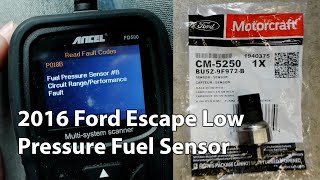
OEM Part Numbers: CM5250 BU5Z9F972B
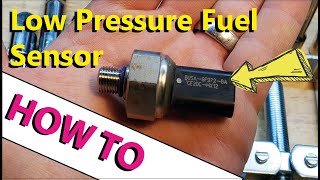
This is the low-pressure fuel sensor, typically mounted on the fuel feed line to the high-pressure pump. It is distinct from the high-pressure sensor located on the fuel rail.
We Have This Part in Stock


The information in this article is provided for general reference and educational purposes only. Vehicle specifications, procedures, and part compatibility can vary by production date, trim level, and region. Always consult your vehicle's factory service manual and verify part numbers before purchasing or performing repairs. Safety-critical components such as airbags, seat belts, and braking systems should be installed by a qualified professional.
- Ford Escape: