

A Guide to the Valve Cover for the 2013-2021 Buick Encore
Understanding the common valve cover and PCV system issues in your Encore's 1.4L turbo engine.
- The main reason the valve cover fails on the 1.4L Encore is a torn PCV diaphragm, which is built into the cover.
- Key symptoms include a P0171 check engine light, a hissing noise, and a rough idle.
- When replacing the cover, it is critical to check for the presence of the PCV check valve in the intake manifold to prevent repeat failure.
- A quality aftermarket replacement is a practical and cost-effective solution for this common problem.
The Real Problem: An Integrated PCV System

When you hear about valve cover problems on the 1.4L turbo engine in your Buick Encore, the issue is almost always with the Positive Crankcase Ventilation (PCV) system. Inside the plastic valve cover is a rubber diaphragm that regulates engine pressure. Over time, this diaphragm is known to tear or rupture. When it fails, it creates a significant, unmetered vacuum leak. The engine's computer isn't prepared for this extra air, which disrupts the air-fuel mixture and leads to a variety of noticeable symptoms. Because this diaphragm is built into the cover, the entire valve cover assembly must be replaced to fix the problem.
Symptoms of a Failing Valve Cover

A bad valve cover PCV diaphragm will make itself known. Look for these common signs:
- Check Engine Light: This is often the first sign. The most common code triggered is P0171 (System Too Lean), caused by the extra air entering the engine.
- Hissing or Whistling Noise: A distinct sucking or hissing sound from the engine bay at idle is a classic symptom. This is the sound of air being pulled through the torn diaphragm.
- Rough or Unstable Idle: The engine may stumble, surge, or run poorly at idle because of the improper air-fuel ratio.
- High Crankcase Vacuum: With the engine running, it may be very difficult to remove the oil filler cap. This indicates excessive vacuum in the crankcase.
- Oil Leaks: While the primary failure is the PCV, the resulting pressure imbalance can sometimes lead to oil being forced past other seals and gaskets. A burning oil smell may also be present if oil leaks onto hot engine components.
A Critical Step During Replacement: Check the Intake Manifold
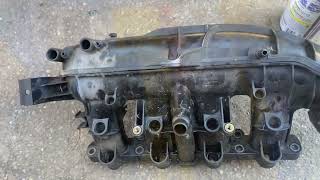
There is a small, orange or red PCV check valve located inside the intake manifold. This valve often becomes dislodged or damaged. If you replace the valve cover without ensuring this check valve is present and intact, the new valve cover's PCV diaphragm will fail very quickly. Always inspect the intake manifold port when the old cover is off.
Known Issues, TSBs, and Recalls

While there has not been a formal recall for this specific issue on all 2013-2021 models, General Motors did issue a Special Coverage program (N202299080) for certain 2014 Buick Encore models. This program extended the warranty for the PCV diaphragm failure to 10 years or 120,000 miles. Additionally, Technical Service Bulletin (TSB) PIP5197M was released to help technicians diagnose the torn PCV diaphragm. For other model years, this repair is typically the owner's responsibility unless covered by an extended warranty.
Choosing the Right Aftermarket Part: OEM vs. Aftermarket

When it's time for a replacement, you have a choice between original equipment (OEM) and aftermarket parts.
- OEM (ACDelco): An OEM valve cover is a direct replacement for the original part. While it will fit perfectly, it may also have the same original diaphragm design that is prone to failure. OEM parts are typically the most expensive option.
- Aftermarket (Replacement, Dorman, TRQ): Many aftermarket brands produce valve covers for the Encore. Some, like Dorman, have claimed to use an upgraded, more durable diaphragm material to address the common failure point. Brands like "Replacement" offer a cost-effective alternative that meets original specifications and can restore function at a lower price point. Given that even the original design fails, a quality aftermarket part is a very practical and popular choice for this repair.
| Part Type | Estimated Cost |
|---|---|
| New OEM (ACDelco) | $210 - $270 |
| New Aftermarket (Replacement) | $53 - $75 |
| Shop Labor | $100 - $200 |
Pro Tip: Many aftermarket valve covers come as a kit, including a new gasket and bolts. This ensures you have everything needed for the job and prevents leaks from a reused, compressed gasket.
Frequently Asked Questions (FAQ)
Why can't I just replace the little rubber diaphragm?
The PCV diaphragm is permanently integrated into the plastic valve cover assembly. It is not designed to be serviced separately. The only way to fix a torn diaphragm is to replace the entire valve cover.
Is this a difficult repair to do myself?
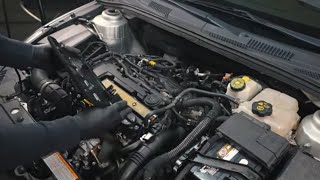
For a moderately skilled DIYer, this is a very manageable job. It typically takes 1-2 hours and requires basic hand tools, plus a special E10 external Torx socket for the valve cover bolts. There are numerous online videos demonstrating the process for the Buick Encore and Chevrolet Cruze, which share the same engine.
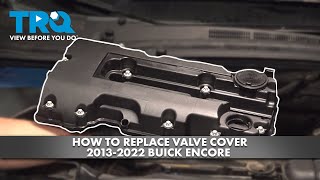
🎬 Watch this step-by-step guide to replacing your valve cover.What happens if I don't fix it?
While you can drive the car, it's not recommended for long periods. The engine will run poorly and get bad gas mileage. The constant lean condition can increase engine temperatures, and the high crankcase vacuum can eventually damage other engine seals, leading to more expensive oil leak repairs down the road.
The shop replaced my valve cover, and it failed again a week later. Why?
This is a common complaint and is almost always caused by a missing PCV check valve in the intake manifold. If this small, orange non-return valve is not in place, the new PCV diaphragm is immediately exposed to excessive pressure and vacuum, causing it to rupture. Any repair must include an inspection of this check valve.
🎬 Learn why the intake manifold and valve cover fail together.Helpful Videos
Technical Specifications
OEM Part Numbers: 25198874 55573746 25198498 25198877 25204723
Fits 2013-2021 Buick Encore models with the 1.4L LUV turbocharged engine. Made of plastic and includes an integrated PCV system and valve cover gasket.

The information in this article is provided for general reference and educational purposes only. Vehicle specifications, procedures, and part compatibility can vary by production date, trim level, and region. Always consult your vehicle's factory service manual and verify part numbers before purchasing or performing repairs. Safety-critical components such as airbags, seat belts, and braking systems should be installed by a qualified professional.
- Buick Encore: