

Ford Fusion Fuel Pressure Sensor Guide (2013-2020): Symptoms and Replacement
Experiencing stalling or a rough idle in your 2013-2020 Ford Fusion? Your fuel pressure sensor could be the problem.
- Stalling at low speeds is a critical symptom of a failing low-pressure fuel sensor on the 2013-2020 Fusion.
- EcoBoost models have two sensors; the low-pressure sensor is the most common failure and the easiest to replace.
- A failing sensor won't always trigger a check engine light. Pay attention to performance symptoms.
- TSB 14-0216 was issued for some 1.5L engines for this exact issue, often requiring sensor replacement.
Understanding Fuel Pressure Sensor Failure in Your Fusion

If you own a 2013-2020 Ford Fusion, especially one with an EcoBoost engine, you should be aware of potential issues with the fuel pressure sensor. A failing sensor can cause a range of frustrating problems, from a simple check engine light to dangerous stalling. This guide will walk you through the symptoms, help you choose the right aftermarket replacement, and explain what's involved in the repair.
A Note on Fusion EcoBoost Engines
Ford's turbocharged direct injection (GTDI) EcoBoost engines, common in this Fusion generation, use both a low-pressure and a high-pressure fuel system. This means they have two fuel pressure sensors. The low-pressure sensor is a very common failure point and is often the cause of stalling issues. The high-pressure sensor is located on the high-pressure fuel rail and is less commonly the culprit. When diagnosing, it's crucial to identify which sensor is causing the problem.
Symptoms of a Bad Fuel Pressure Sensor


A failing fuel pressure sensor sends incorrect information to your car's computer, which can lead to a variety of noticeable problems. You might experience one or more of the following issues:
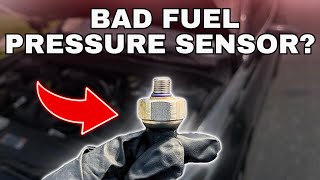
- Engine Stalling: This is a critical symptom. Many Fusion owners report the engine stalling at low RPMs, like when sitting at a light or pulling out into traffic. 🎬 Watch this video to see how a bad sensor causes stalling. This can happen without warning and is a major safety concern.
- Check Engine Light: Often, a bad sensor will trigger the check engine light. Common error codes include P0190, P0191, P0192, and P00C6. However, the sensor can be failing even if the light is not on.
- Hard Starting: Your Fusion may take longer than usual to start, or you might have to crank the engine multiple times. This is especially common after the car has been sitting warm for a short period (a "hot-soak").
- Poor Engine Performance: You may notice hesitation when you accelerate, a general lack of power, or a rough, shaky idle.
- Reduced Fuel Economy: If the sensor is telling the computer to send too much fuel, you'll find yourself visiting the gas station more often.
Known Issues and TSBs for 2013-2020 Ford Fusion

Ford issued Technical Service Bulletin (TSB) 14-0216 for some 2014-2015 Fusion models with the 1.5L GTDI engine. This TSB addresses conditions like hard starting, long cranking, or a rough running engine accompanied by DTCs P00C6, P0191, and/or P0192. The recommended fix is to replace the fuel rail pressure (FRP) sensor. Some owners have also noted that updated aftermarket low-pressure sensors have a revised design compared to the original factory part, which may offer improved reliability.
OEM vs. Aftermarket Sensors
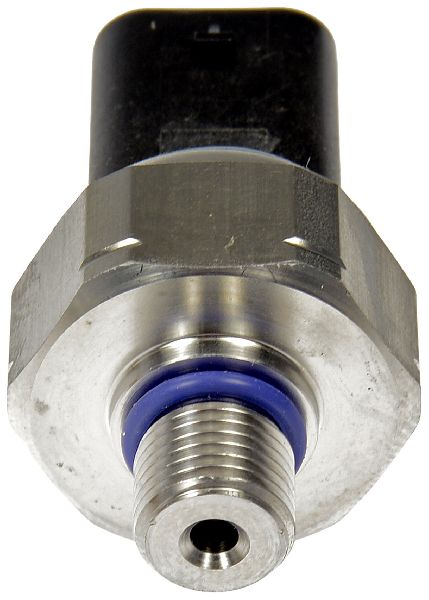
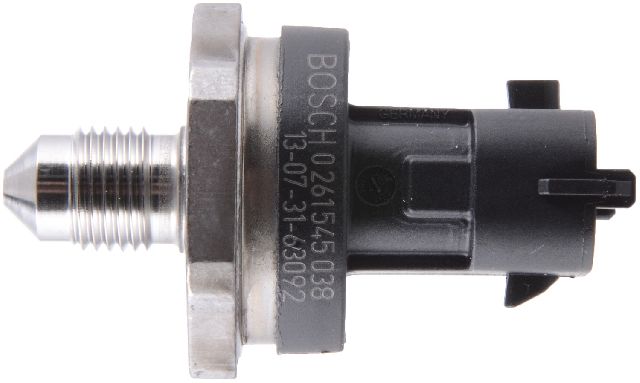
For this specific part on the Fusion, aftermarket brands like Bosch, Standard Ignition (SMP), and Dorman are well-regarded and can be a reliable, cost-effective alternative to the OEM part. In some cases, as with the low-pressure sensor, the aftermarket part may feature an updated design to correct original flaws. The key is to choose a reputable brand over a generic, no-name part to ensure proper signaling to the vehicle's computer.
Choosing the Right Aftermarket Fuel Pressure Sensor

With several brands available, picking the right one can seem confusing. Here’s a breakdown to help you decide:
- Tier 1 (Premium Quality): Bosch, Standard Ignition
These brands are often original equipment suppliers to many automakers. They are known for high-quality materials and rigorous testing, ensuring their sensors perform to OEM specifications. If you want the highest level of reliability and performance, these are excellent choices. - Tier 2 (Quality Aftermarket): Dorman, Vemo
Dorman is well-known for creating replacement parts that often address the failure points of the original design. Vemo also provides a wide range of quality electronic components. These brands offer a great balance of quality and value, making them a popular choice for DIY repairs. - Tier 3 (Value-Oriented): Global Parts
This brand typically offers the most budget-friendly option. While it meets the basic requirements for the part to function, it may not have the same long-term durability or precise calibration as the premium brands. It's a viable option for a budget-conscious repair.
Cost of Replacing a Ford Fusion Fuel Pressure Sensor
The cost can vary depending on whether you do the work yourself and the brand of part you choose. The low-pressure sensor is a common DIY job, while the high-pressure sensor may require a professional.
| Part/Service | Estimated Cost |
|---|---|
| New Aftermarket Sensor | $68 - $182 |
| Shop Labor | $90 - $150 |
| Total Professional Repair | $158 - $332 |
Frequently Asked Questions
Can I drive my Fusion with a bad fuel pressure sensor?
It is not recommended. If your car is stalling, it is a serious safety hazard. Even if it's just running poorly, you risk poor fuel economy, potential damage to other engine components, and failing an emissions test.
Which sensor should I replace, the high-pressure or low-pressure one?
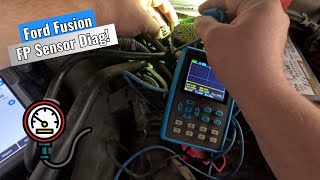
For the 2013-2020 Fusion, the low-pressure fuel sensor is the most common failure point, especially for stalling and hard-start issues. It's also much easier to replace. Unless you have specific diagnostic codes pointing to the high-pressure sensor, the low-pressure sensor is the most likely culprit.
Is this a difficult DIY repair?
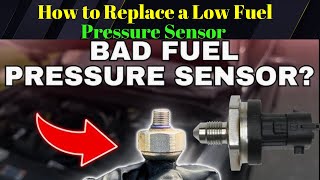
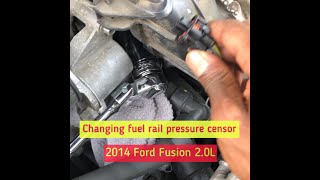
Replacing the low-pressure sensor is a job most DIYers can handle. It is located near the battery and is accessible with basic hand tools. The most important step is to relieve the fuel system pressure before you begin to avoid fuel spray. 🎬 Watch: How to replace the low-pressure sensor the right way. The high-pressure sensor is more difficult to access and may be best left to a professional.
🎬 See a side-by-side walkthrough for replacing both fuel pressure sensors.Will a new sensor fix my P0190 code?
Most of the time, yes. The P0190 code indicates a fault in the sensor's circuit, and the sensor itself is the most common cause. However, the code can also be triggered by a wiring problem (like a corroded connector) or, rarely, an issue with the PCM. It's always a good idea to inspect the connector for damage when you replace the sensor.
Helpful Videos

Technical Specifications
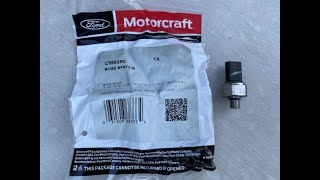
OEM Part Numbers: CM5250 CM5229 DS7G-9F972-DB DS7G-9F972-EA
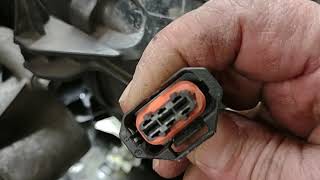
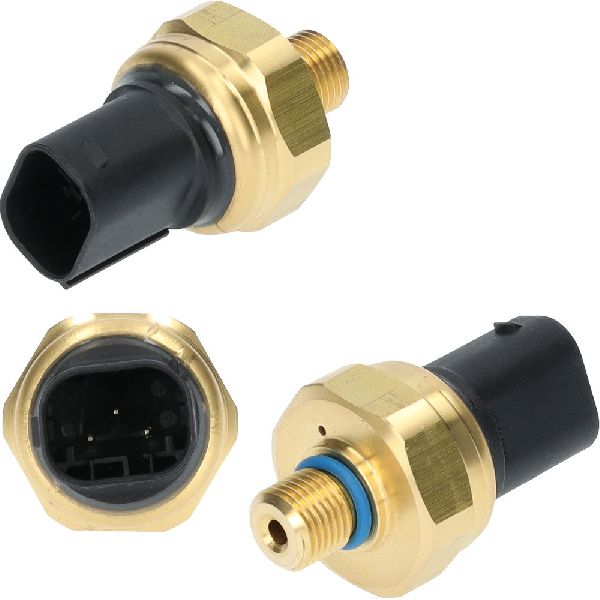
This is an electronic sensor with a 3-pin connector that measures pressure within the fuel line or fuel rail. The low-pressure sensor is typically located on the fuel line near the battery, while the high-pressure sensor is on the engine's fuel rail.
We Have This Part in Stock


The information in this article is provided for general reference and educational purposes only. Vehicle specifications, procedures, and part compatibility can vary by production date, trim level, and region. Always consult your vehicle's factory service manual and verify part numbers before purchasing or performing repairs. Safety-critical components such as airbags, seat belts, and braking systems should be installed by a qualified professional.
- Ford Fusion:
- 🎬 Helpful Videos
- 🛍️ Shop This Part
- Understanding Fuel Pressure Sensor Failure in Your Fusion
- Symptoms of a Bad Fuel Pressure Sensor
- Known Issues and TSBs for 2013-2020 Ford Fusion
- Choosing the Right Aftermarket Fuel Pressure Sensor
- Cost of Replacing a Ford Fusion Fuel Pressure Sensor
- Frequently Asked Questions
- 🎟️ Get 5% Off