

Volkswagen Jetta Engine Camshaft Position Sensor Guide (2013-2019)
Diagnose and choose the right camshaft position sensor for your Jetta to fix stalling, rough idle, and starting issues.
- Choose an OEM-supplier brand like Bosch, Delphi, or Hella for reliability; avoid generic, low-cost sensors.
- Replacement is easy on 1.4T, 1.8T, and 2.5L engines but very difficult on the 2.0L non-turbo engine.
- Symptoms include stalling, no-start, rough idle, and a Check Engine Light with codes like P0340 or P0341.
- Before replacing, check for TSBs related to code P0016 and inspect the wiring harness for damage.
Is Your Jetta Stalling or Running Rough? It Could Be the Camshaft Sensor.


If your 2013-2019 Volkswagen Jetta is suddenly hard to start, stalling, or the Check Engine Light is on, a failing camshaft position sensor is a common cause. This sensor provides vital timing information to the engine computer. When it fails, it can cause a range of frustrating and noticeable engine problems.
Symptoms of a Failing Camshaft Position Sensor
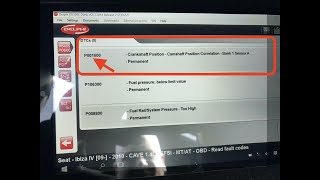
- Check Engine Light: This is often the first sign. You may see codes like P0340, P0341, or P0343. 🎬 See how to diagnose P0341 codes on Jetta TSI engines.
- Engine Stalling: The engine may shut off unexpectedly while idling at a stoplight or even while driving.
- Hard Starting or No Start: The engine may crank for a long time before starting, or it may not start at all.
- Rough Idle: The engine may shake or vibrate more than usual when the car is in park or at a stop.
- Loss of Power: You might notice poor acceleration and a general feeling that the car is sluggish.
- Poor Fuel Economy: Incorrect timing can cause the engine to use more fuel than necessary.
Warning: Replacement Difficulty Varies by Engine!
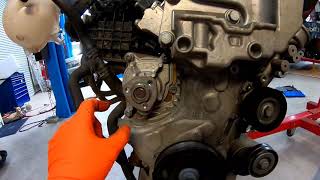
The location and difficulty of replacing this sensor on a 2013-2019 Jetta depend entirely on your engine. For models with the 1.4T, 1.8T, and 2.5L engines, the sensor is typically easy to access on the top or side of the engine and can be replaced in under an hour with basic tools. However, for the base 2.0L non-turbo engine, the sensor is located behind the camshaft pulley. This requires removing the timing belt, 🎬 Watch this walkthrough for the complex 2.0L non-turbo sensor replacement. making it a much more complex and difficult job that is not recommended for beginners. Always confirm your engine type before starting this repair.
Choosing the Right Aftermarket Sensor: Brand Matters
When it comes to critical electronic sensors on a Volkswagen, quality is key. While budget-friendly options are available, owner forums and mechanic consensus strongly advise against using generic, low-cost sensors. These parts have a higher failure rate, which means you could be doing the same repair again soon. For reliability, it is best to choose a sensor from an Original Equipment (OE) supplier.
- Top Tier (Recommended): Brands like Bosch, Delphi, Hella, and Vemo are often the original manufacturers for Volkswagen. Choosing one of these brands gives you OEM quality without the dealership price tag.
- Mid-Grade: Brands like Standard Motor Products (SMP), Beck Arnley, and Hitachi offer a balance of quality and price and are generally considered reliable.
- Economy Tier: Store brands or unbranded sensors are the cheapest but carry the highest risk of premature failure or incorrect readings right out of the box. Given the sensor's critical function, saving a few dollars here can lead to bigger headaches later.
Known Issues and Technical Service Bulletins (TSBs)
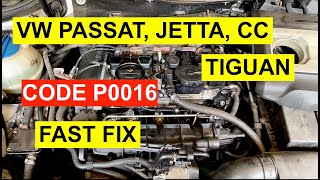
No recalls are currently active for this specific part on 2013-2019 Jettas. However, a Technical Service Bulletin (TSB) exists for a related issue. Some vehicles may show a P0016 fault code (crankshaft/camshaft position correlation error). While this can indicate a bad sensor, a TSB suggests the cause could be a torn strainer screen in the camshaft bearing bracket, which affects oil pressure to the camshaft adjuster. This can be misdiagnosed as a sensor failure. If you have a P0016 code, it's worth investigating this TSB with a qualified mechanic.
🎬 Watch this guide to diagnosing P0016 correlation codes.Pro Tip: Before replacing the sensor, inspect the wiring harness leading to it. Rodents can chew on wires in the engine bay, causing a broken connection that mimics the symptoms of a failed sensor. A simple visual check could save you the cost of a new part.
Cost of Replacement
| Part/Service | Estimated Cost |
|---|---|
| New Aftermarket Sensor | $23 - $127 |
| New OEM Sensor | $50 - $150 |
| Shop Labor (1.4T/1.8T/2.5L Engines) | $50 - $100 |
| Shop Labor (2.0L Non-Turbo Engine) | $300 - $500+ |
Cost estimates are for parts and labor and can vary by location and vehicle engine type.
Frequently Asked Questions

Can I drive with a bad camshaft position sensor?
You can, but it's not recommended. The engine may stall at any time, which is a safety risk in traffic. You could also be left stranded if the engine refuses to start. It's best to get it repaired as soon as possible.
How do I know which sensor my Jetta needs?
The best way is to use your vehicle's VIN and an online parts catalog to find the exact OEM part number. Common part numbers for this generation include 04C907601K (for many 1.4T/1.8T/2.0T engines) and 07K907601A (for the 2.5L engine). Always verify fitment for your specific engine before ordering.
Is it okay to use a cheap, unbranded sensor?
It is strongly discouraged. For critical German car electronics, OEM or OE-supplier quality is the most reliable path. Cheaper sensors are known to fail quickly, leading to repeated repairs and potential driveability issues.
What tools do I need to replace the sensor?
For most Jetta engines in this range (1.4T, 1.8T, 2.5L), you typically only need a T30 Torx bit and a ratchet. However, for the 2.0L base engine, the job is much more complex and requires specialized tools for removing the timing belt and pulleys.
Helpful Videos
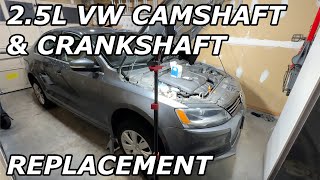
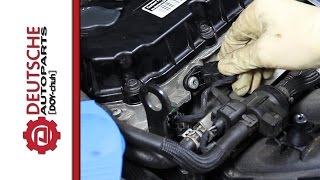
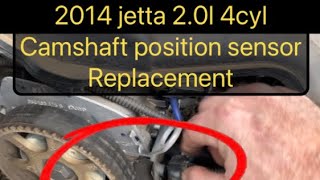
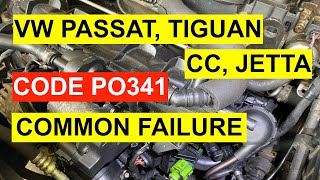
Technical Specifications
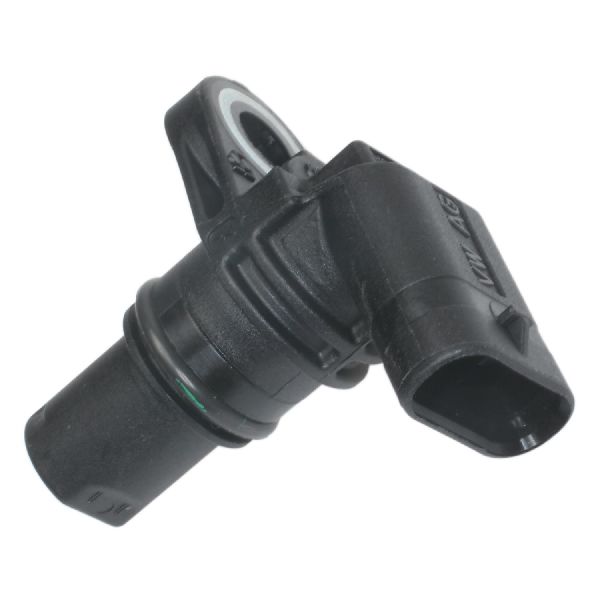
OEM Part Numbers: 04C907601K 04C907601 04C907601J 04C907601L 07K907601A
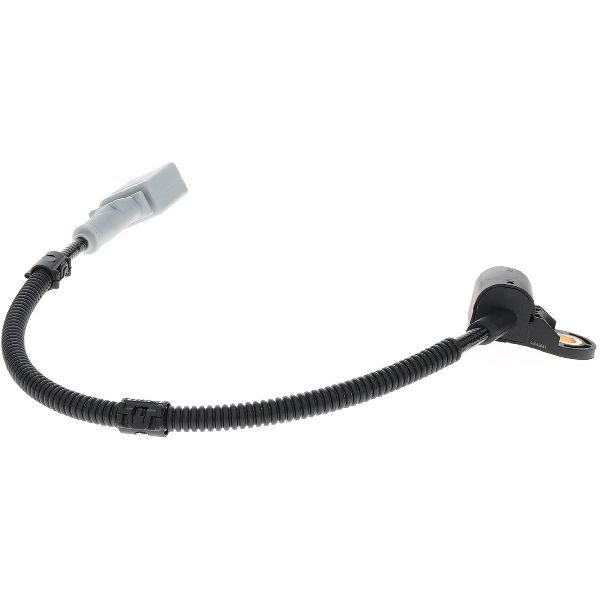
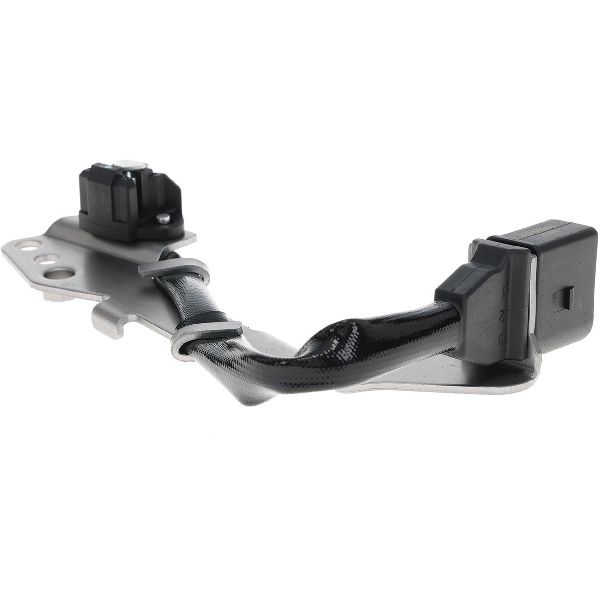
This is a Hall effect sensor with a 3-pin rectangular connector. It reads the rotational position of the engine camshaft(s) to provide timing data to the ECM. Part numbers and design vary by engine type.
We Have This Part in Stock


The information in this article is provided for general reference and educational purposes only. Vehicle specifications, procedures, and part compatibility can vary by production date, trim level, and region. Always consult your vehicle's factory service manual and verify part numbers before purchasing or performing repairs. Safety-critical components such as airbags, seat belts, and braking systems should be installed by a qualified professional.
- Volkswagen Jetta: