

A Ford Owner's Guide to Replacing Oxygen Sensors on a 2013-2019 Taurus
Restore your Taurus's fuel economy and performance by understanding and replacing a faulty oxygen sensor.
- A bad oxygen sensor will trigger a Check Engine Light and hurt your fuel economy.
- For best results, choose a premium aftermarket brand like Bosch, Denso, or NGK (NTK), which are often the OE suppliers.
- Your Taurus has four sensors; you must buy the correct one for the specific location (e.g., Bank 1, Sensor 1).
- A special O2 sensor socket is required for DIY replacement to avoid damaging the sensor's wire.
Is Your Taurus Running Rough? It Could Be an Oxygen Sensor.

A failing oxygen (O2) sensor is a common issue on many vehicles, including the 2013-2019 Ford Taurus. When this small but vital part starts to go bad, it can cause noticeable problems with your car's performance and fuel efficiency. Ignoring the signs can lead to more expensive repairs down the road, like damage to your catalytic converter.
Key Symptoms of a Bad O2 Sensor
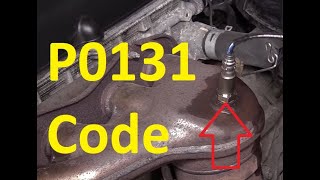
- Check Engine Light: This is the most common sign. A scanner will often show codes like P0131, P0151 🎬 Learn how to diagnose and fix a P0131 code. (lean condition/low voltage), or P0171 (system too lean).
- Poor Fuel Economy: The engine computer may enrich the fuel mixture to compensate for faulty sensor readings, causing you to use more gas.
- Rough Idle and Misfires: An incorrect air-fuel mixture can cause your engine to run poorly, hesitate, or misfire.
- Rotten Egg Smell: Excess fuel being burned in the exhaust can create a sulfur-like smell and may even lead to black smoke.
- Failed Emissions Test: A bad O2 sensor will prevent your car from passing a required emissions inspection.
Choosing the Right Aftermarket Oxygen Sensor

When replacing an oxygen sensor, you have several options ranging from OEM to various aftermarket brands. For the Ford Taurus, using a quality replacement is important for compatibility and longevity. While Motorcraft is Ford's official part brand, several aftermarket manufacturers produce high-quality, reliable sensors, some of whom are original equipment (OE) suppliers themselves.
Brand Quality Tiers
Tier 1: OE and Premium Aftermarket
- Motorcraft: This is the Ford factory part. It guarantees perfect fit and performance but comes at a higher price.
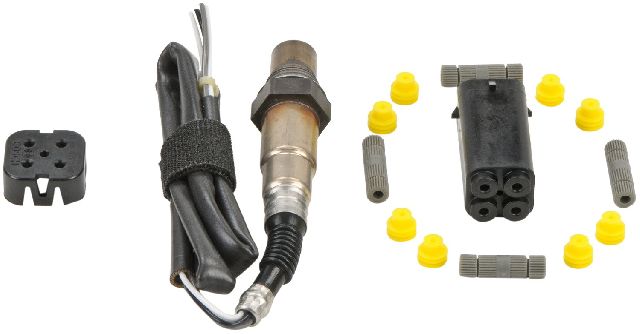
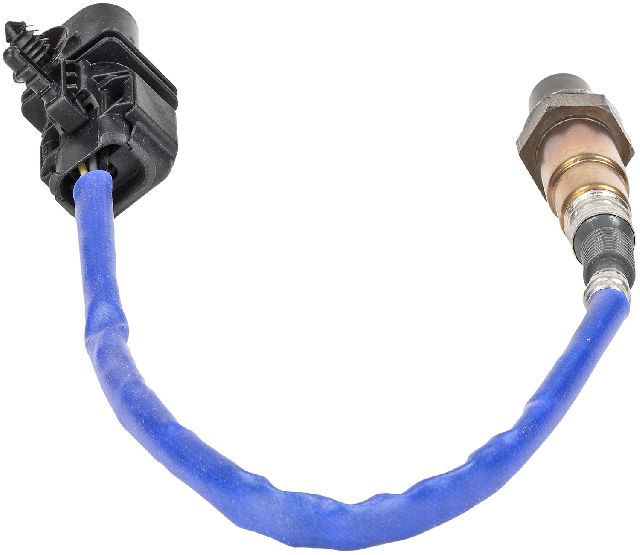
- Bosch, Denso, NGK (NTK): These brands are leading OE suppliers for many automakers, including Ford. They offer quality and performance that is often identical to the Motorcraft part, sometimes in a different box. For reliability, these are your best aftermarket choices.
Tier 2: Quality Aftermarket
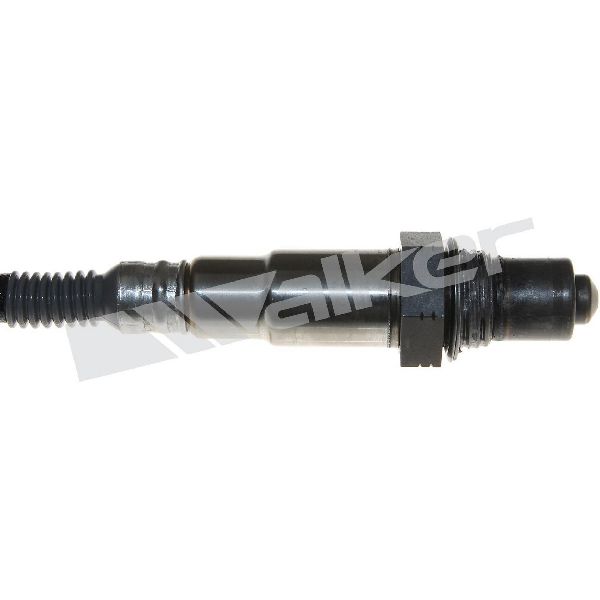
- Delphi, Spectra, Walker Products: These are reputable brands that offer a good balance of quality and value. They are a solid choice for owners looking for a reliable repair without the premium price tag of OE parts.
Tier 3: Economy Brands
- DriveWire: These sensors are the most budget-friendly. While they will get the job done, they may not have the same longevity or precise calibration as premium brands. They can be a good option for older, higher-mileage vehicles or if budget is the primary concern.
Pro Tip: Upstream vs. Downstream
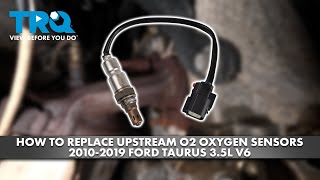
Your Taurus has at least two upstream (before the catalytic converter) and two downstream (after the converter) sensors. Upstream sensors are more critical for engine performance and are often a different, wideband type. 🎬 Watch this guide on replacing upstream oxygen sensors. Downstream sensors primarily monitor the catalytic converter. Always verify the correct sensor for the specific location (e.g., Bank 1 Sensor 1, Bank 2 Sensor 2) before purchasing.
Known Issues, Recalls, and TSBs
Searches of the National Highway Traffic Safety Administration (NHTSA) database and for Technical Service Bulletins (TSBs) did not reveal any specific recalls or widespread, systemic problems related to oxygen sensors for the 2013-2019 Ford Taurus. Failures are generally due to age, contamination from oil or coolant, or normal wear over time. One recall for 2016 Taurus models with the 3.5L GTDI engine involved improperly brazed turbocharger oil supply tubes, which could leak oil and potentially contaminate sensors or cause a fire, but this was not a recall of the sensor itself.
Frequently Asked Questions (FAQ)

How many oxygen sensors does my 2013-2019 Taurus have?
Most V6 models, including the 3.5L non-turbo, 3.5L EcoBoost (twin-turbo), and 3.7L, have four oxygen sensors: two upstream (one for each cylinder bank) and two downstream (one for each cylinder bank).
Can I replace just one oxygen sensor?
Yes. You only need to replace the sensor that has failed. However, O2 sensors tend to have a similar lifespan, so if one fails on a high-mileage vehicle, another may not be far behind. They are typically replaced individually as needed.
Do I need a special tool for replacement?
Yes, a special tool called an O2 sensor socket is highly recommended. It has a slot on the side to accommodate the sensor's wire. Using a standard deep socket will likely damage the wire. You may also need a flexible-head ratchet for sensors in tight locations, like the one near the firewall (Bank 1).
🎬 See how to locate and replace sensors on EcoBoost models.Can I clean an oxygen sensor instead of replacing it?
While some online sources suggest cleaning O2 sensors, it is not a reliable or recommended repair. The sensing element is delicate, and contamination often penetrates the ceramic, making it impossible to clean effectively. Replacement is the only guaranteed fix for a failed sensor.
Helpful Videos

Technical Specifications
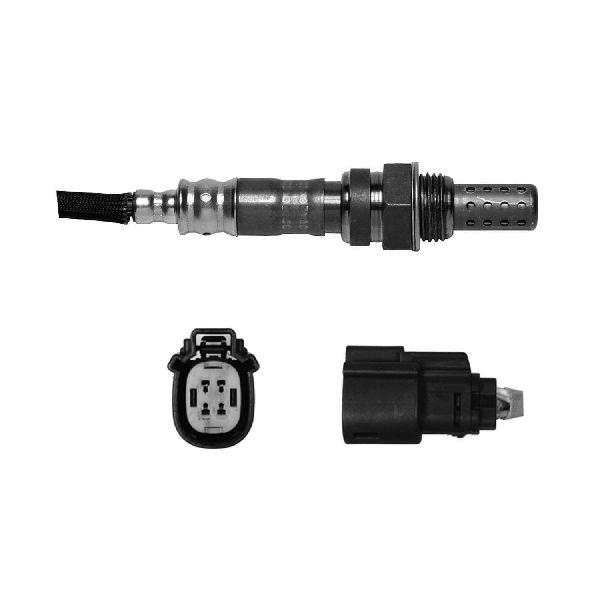
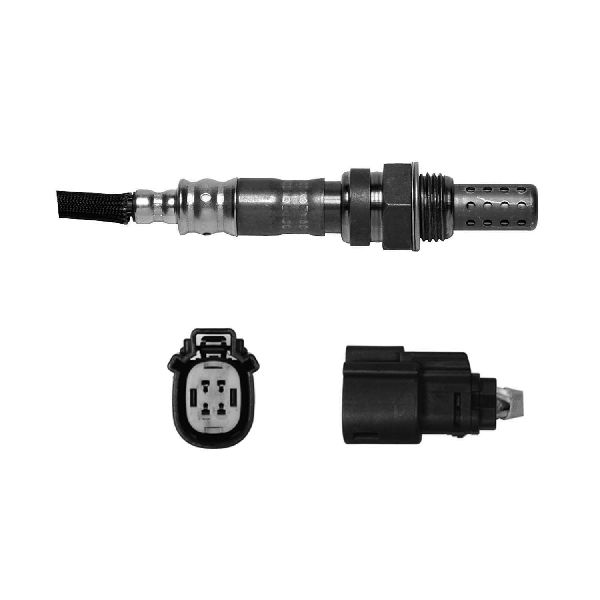
OEM Part Numbers: DY1401 DY1159 DY1160
The 2013-2019 Ford Taurus typically uses 4-wire heated oxygen sensors and 5-wire wideband air/fuel ratio sensors for the upstream positions. Thread size is commonly M18x1.5. Connectors are vehicle-specific and direct-fit replacements are recommended.
We Have This Part in Stock


The information in this article is provided for general reference and educational purposes only. Vehicle specifications, procedures, and part compatibility can vary by production date, trim level, and region. Always consult your vehicle's factory service manual and verify part numbers before purchasing or performing repairs. Safety-critical components such as airbags, seat belts, and braking systems should be installed by a qualified professional.
- Ford Taurus: