

Ford Taurus Engine Camshaft Position Sensor Guide (2013-2019)
Is your Taurus running rough, having trouble starting, or showing a check engine light? The camshaft position sensor could be the problem.
- A failing camshaft sensor on a Taurus often causes a check engine light, rough running, and starting problems.
- The 3.5L V6 has four sensors; a diagnostic code is needed to identify which one has failed.
- Replacement is an easy DIY job for most owners, requiring only basic tools.
- For critical sensors, choosing a reputable aftermarket brand like Delphi, NGK, or Standard Motor Products is recommended over the cheapest options.
Is Your Taurus Stalling or Hard to Start?

When a camshaft position sensor starts to fail, it can cause a range of frustrating problems. Because the engine's computer relies on this sensor for critical timing information, a bad signal can throw everything off. You might notice one or more of these issues with your 2013-2019 Taurus.
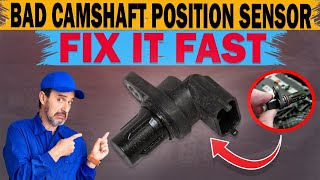
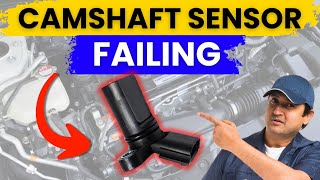
🎬 Watch: 11 common symptoms of a bad camshaft sensorCommon Symptoms of a Failing Sensor:
- Check Engine Light: This is often the first sign. The computer will detect a problem with the sensor's signal and store a trouble code.
- Engine Won't Start: The engine might crank but not start because the computer doesn't know when to fire the spark plugs and injectors.
- Rough Idle and Stalling: The engine may run poorly, shake at stoplights, or stall unexpectedly while driving.
- Poor Acceleration: Your Taurus might feel sluggish and lack power when you press the gas pedal.
- Worse Fuel Economy: When engine timing is off, fuel isn't burned efficiently, leading to more trips to the gas station.
Pro Tip: Check for Oil Leaks

Before replacing the sensor, check for oil leaks around the valve covers. Oil leaking onto the sensor or its wiring harness is a common cause of failure. Fixing the leak first can prevent your new sensor from failing prematurely.
Choosing the Right Aftermarket Sensor

When it comes to engine sensors, quality matters. While OEM Motorcraft parts are the benchmark, many aftermarket brands offer a good balance of quality and price. Here’s how they generally stack up for your Taurus.
- Tier 1 (OEM & OEM-Equivalent): Motorcraft is the original Ford part and guarantees a perfect fit and function. Brands like Delphi, Denso, and NGK/NTK are often original equipment manufacturers for many car brands and are considered top-tier replacements with high reliability.
- Tier 2 (Quality Aftermarket): Brands like Standard Motor Products (SMP) and Hitachi have a solid reputation and often produce parts that are identical to the OEM versions, sometimes even with the original part numbers still visible. Bosch is another trusted name in this category.
- Tier 3 (Budget & Store Brands): Brands like Dorman, and various store brands like Duralast, can be hit-or-miss. While some of their parts are redesigned to fix original flaws, their sensor quality can be inconsistent. They can be a budget-friendly option, but for a critical sensor like this, it's often worth spending a bit more to avoid doing the job twice.
Cost to Replace a Camshaft Position Sensor
The cost can vary depending on which of the sensors needs replacement and your local labor rates. The 3.5L V6 engine has multiple sensors.
| Part/Service | Estimated Cost |
|---|---|
| New Aftermarket Sensor | $18 - $72 |
| New OEM (Motorcraft) Sensor | $30 - $55 |
| Shop Labor | $54 - $140 |
| Total Professional Replacement | $117 - $182+ |
Frequently Asked Questions

Where are the camshaft position sensors located on the 2013-2019 Taurus?
On the common 3.5L V6 engine, there are four camshaft position sensors. They are located at the top of the engine on the valve covers, near the front (intake cams) and back (exhaust cams) of each cylinder head. They are typically held in by a single small bolt and are relatively easy to access.
Do I need to replace all the sensors at once?
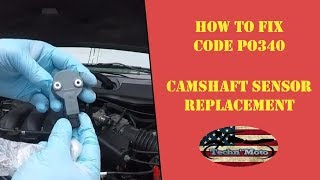
No. You only need to replace the specific sensor that has failed. A diagnostic scan tool will give you a trouble code (like P0340, P0345, P0365, or P0369) that points to the specific sensor or circuit that has a problem. For example, P0345 refers to the sensor on Bank 2.
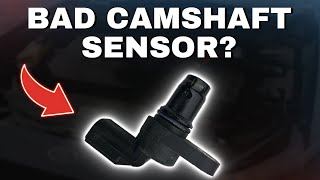
🎬 Watch: How to replace the Bank 2 camshaft sensorIs this a difficult repair to do myself?
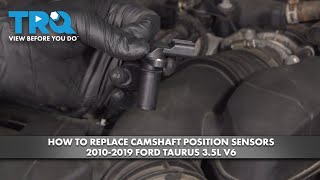
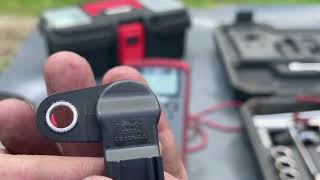
For most of the sensors on the 3.5L V6, this is a very DIY-friendly job. They are usually easy to see and reach. The job involves disconnecting the electrical connector, removing one 8mm or 10mm bolt, and swapping the old sensor for the new one. It typically takes less than 30 minutes per sensor.
🎬 See this step-by-step replacement walkthrough for the 3.5L V6Are there any recalls for this part?
There are no specific recalls for the camshaft position sensor on the 2013-2019 Ford Taurus. However, Ford has issued recalls for older models and other engines for this part, indicating it can be a point of failure. There are also Technical Service Bulletins (TSBs) for similar engines that relate to camshaft timing components, but not a direct replacement campaign for the sensor itself on this Taurus.
Helpful Videos
Technical Specifications
OEM Part Numbers: AT4Z-6B288-A 7T4Z-6B288-A BL3Z-6B288-C AS7Z-6B288-A
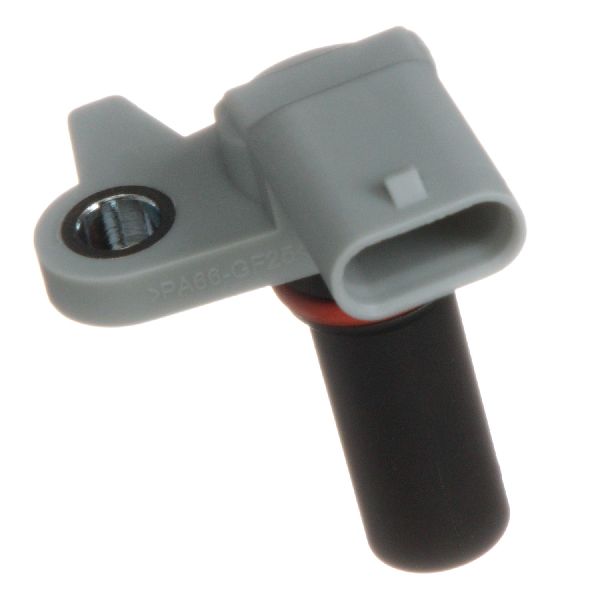
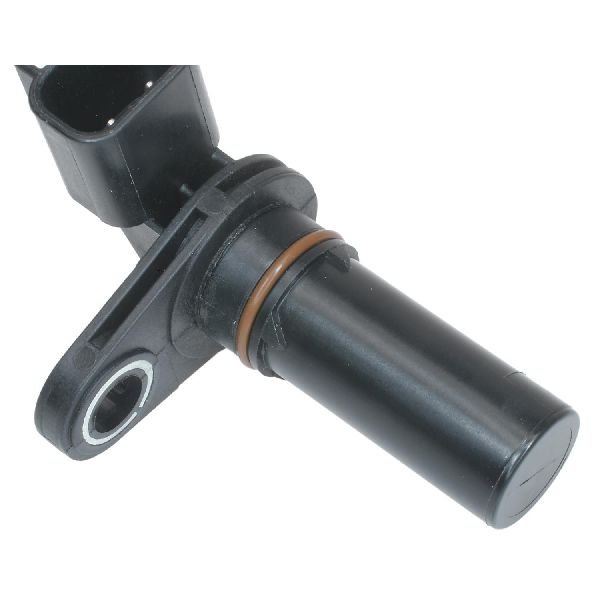
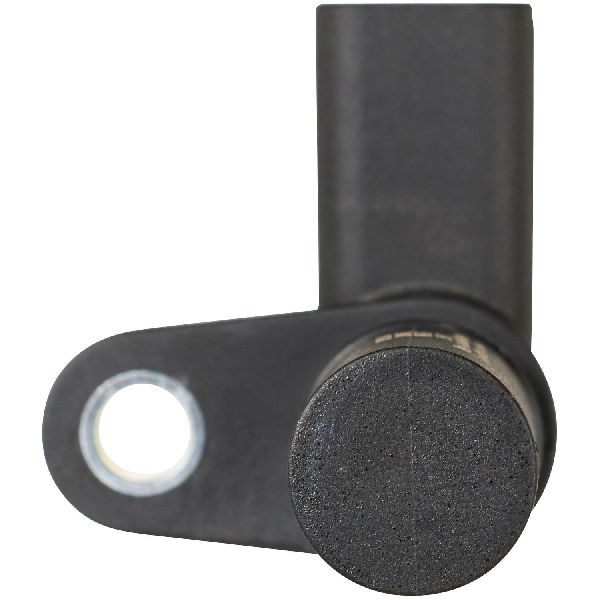
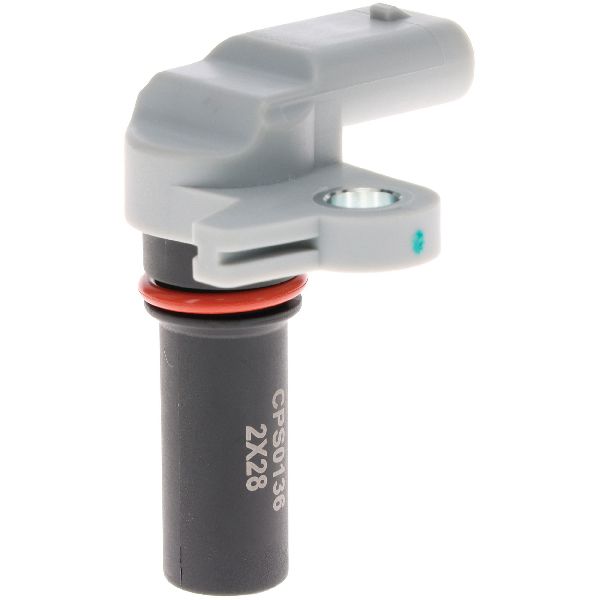
The 2013-2019 Ford Taurus with the 3.5L V6 engine uses four Hall-effect type camshaft position sensors. There is one intake and one exhaust sensor for each cylinder bank. The sensors are typically held in place by a single 8mm or 10mm bolt.
We Have This Part in Stock


The information in this article is provided for general reference and educational purposes only. Vehicle specifications, procedures, and part compatibility can vary by production date, trim level, and region. Always consult your vehicle's factory service manual and verify part numbers before purchasing or performing repairs. Safety-critical components such as airbags, seat belts, and braking systems should be installed by a qualified professional.
- Ford Taurus: