

Cadillac ATS Engine Coolant Temperature Sensor (2013-2019): A Replacement Guide
An inaccurate temperature gauge or cooling fans that won't shut off could mean it's time for a new Engine Coolant Temperature Sensor in your ATS.
- A faulty ECT sensor on an ATS often causes the cooling fans to run constantly and the temperature gauge to read incorrectly.
- Replacement on the 2.0L and 2.5L engines is a very difficult job due to the sensor's location at the back of the engine, requiring several hours of labor.
- For best reliability, use an OEM-level brand like ACDelco or Delphi, as the labor cost to replace a cheap, failed sensor is high.
- Common trouble codes associated with this failure are P0116, P0117, P0118, and P0128.
Symptoms of a Failing ECT Sensor in a Cadillac ATS

When an Engine Coolant Temperature (ECT) sensor starts to fail, it can cause a range of confusing symptoms. Because the sensor's data is used by multiple systems, a bad reading can lead to more than just an incorrect temperature on your dash. ATS owners have reported several key issues that point to a failing sensor.
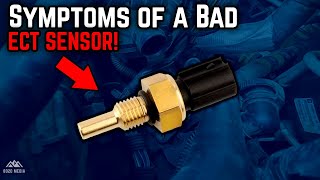
Common Signs of a Bad ECT Sensor: 🎬 Watch this video to see common symptoms of sensor failure.
- Check Engine Light: A Check Engine Light is common, often with codes like P0116, P0117, P0118, or P0128. Code P0128 specifically indicates the engine is not reaching its proper operating temperature as quickly as expected.
- Cooling Fans Run Constantly: The cooling fans may run on high speed continuously, even after the car is turned off. This is a fail-safe mode triggered by the ECM when it receives an illogical signal from the sensor.
- Inaccurate Temperature Gauge: The gauge on your dashboard may drop to zero, show an overheating condition when the engine is cold, or fluctuate wildly.
- Poor Engine Performance: You might experience rough idling, decreased fuel economy, or hesitation because the ECM is using incorrect data to manage the engine.
- Black Smoke from Exhaust: In some cases, a faulty sensor can tell the computer the engine is cold when it's not, causing an overly rich fuel mixture that results in black smoke.
Choosing the Right Aftermarket Sensor

When replacing the ECT sensor on your ATS, you have a choice between OEM and a wide variety of aftermarket brands. For a critical sensor like this, quality and accuracy are paramount.
Tier 1: OEM & OEM-Supplier Brands
For best results and peace of mind, sticking with an OEM or original equipment supplier is highly recommended. These parts are manufactured to the exact specifications and tolerances as the sensor that came with your Cadillac from the factory.
- ACDelco GM Original Equipment: This is the official GM replacement part, offering the same performance and durability as the original.
- Delphi: Delphi was a part of GM and is a major OEM supplier for many electronic components. Their sensors are often identical to the ACDelco parts, sometimes at a lower price.
Tier 2: Reputable Aftermarket Brands
These brands have a strong reputation for producing quality replacement parts that meet or exceed OEM specifications. They are a solid choice if an OEM part isn't available or if you're looking for a balance between cost and quality.
- NGK/NTK: Known for their ignition components and sensors, NTK is a well-respected brand in the industry.
- Standard Motor Products (SMP): A long-standing company that produces reliable sensors and other engine management components.
Tier 3: Value Brands
While brands like URO Parts, Four Seasons, and others offer a significant cost saving, it can be a gamble for a sensor this critical. An inaccurate reading can lead to poor performance and fuel economy, negating the initial savings. For the 2013-2019 ATS, especially the 2.0L Turbo where replacement is labor-intensive, using a Tier 1 or Tier 2 brand is the smarter long-term decision.
| Part Type | Estimated Cost |
|---|---|
| New OEM (ACDelco GM) | $25 - $50 |
| New Aftermarket | $10.62 - $81.53 |
| Shop Labor | $250 - $450 |
Note: Labor costs are high due to the difficult location of the sensor on some engines, particularly the 2.0L Turbo, which requires removing the cowl and other components for access.
Frequently Asked Questions (FAQ)

Where is the ECT sensor located on my Cadillac ATS?
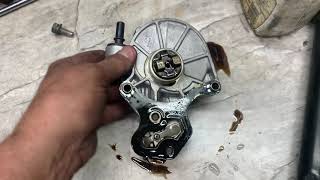
The location varies by engine. On the 2.0L Turbo, it is notoriously difficult to access, located on the back of the cylinder head near the firewall, under the vacuum pump. 🎬 See how to access the sensor behind the vacuum pump. On the 3.6L V6, it is typically on the driver's side of the engine, near the thermostat housing or on the cylinder head. The 2.5L also has the sensor at the rear of the engine, requiring significant disassembly to reach.
Can I replace the ECT sensor myself?
For a DIY mechanic, this job's difficulty depends heavily on your engine. For the 3.6L V6, it may be feasible with the right tools. However, for the 2.0L Turbo and 2.5L engines, the replacement is very involved. It requires removing the windshield wipers, the entire plastic and metal cowl assembly, and the brake booster vacuum pump to gain access. This can take 2-4 hours and is considered a difficult DIY job.
🎬 Follow this step-by-step guide for replacing the ATS sensor.Are there any recalls for the ECT sensor on the ATS?
A search of the National Highway Traffic Safety Administration (NHTSA) database shows no specific recalls for the engine coolant temperature sensor on the 2013-2019 Cadillac ATS. Always check for the most current information using your vehicle's VIN.
What happens if I don't replace a bad ECT sensor?
Ignoring a faulty ECT sensor can lead to several problems. Your engine may run rich, wasting fuel and potentially damaging the catalytic converter over time. It can also lead to an overheating event if the cooling fans fail to turn on, or cause unnecessary wear on the fans if they run constantly. In some cases, it can lead to poor drivability and stalling.
Helpful Videos

Technical Specifications
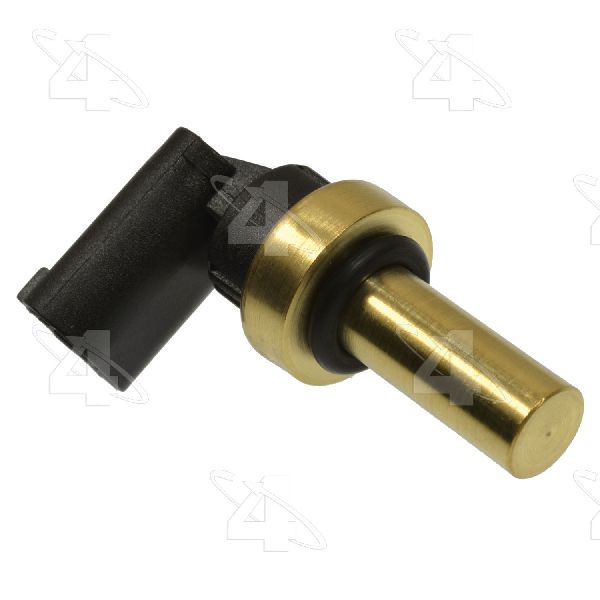
OEM Part Numbers: 12650595 213-4232 12656444 213-4514
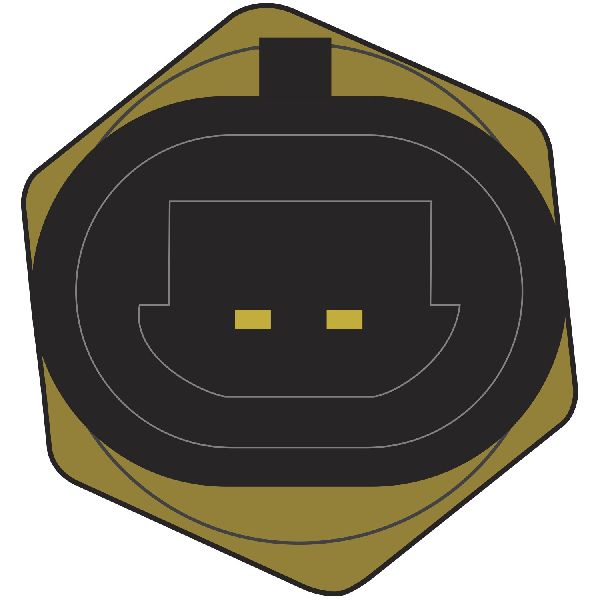
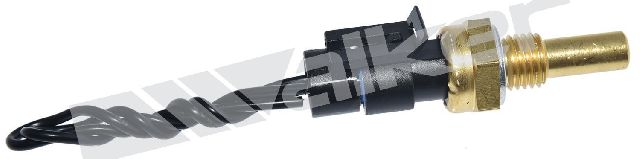
The sensor is a two-terminal thermistor that changes resistance based on coolant temperature. It is held in place by a clip, not threaded on all applications.
We Have This Part in Stock


The information in this article is provided for general reference and educational purposes only. Vehicle specifications, procedures, and part compatibility can vary by production date, trim level, and region. Always consult your vehicle's factory service manual and verify part numbers before purchasing or performing repairs. Safety-critical components such as airbags, seat belts, and braking systems should be installed by a qualified professional.
- Cadillac ATS: