

Guide to 2013-2019 Buick Encore Relay Function and Replacement
Understand the small but critical relays in your Encore and how to spot a failure before it leaves you stranded.
- Your Encore uses many different relays; a failure's symptom depends on which relay is bad (e.g., no-start from a starter relay, overheating from a fan relay).
- Relays are located in fuse boxes in the engine bay, passenger compartment, and trunk; check your owner's manual for diagrams.
- Replacing a relay is a very easy DIY task, often just pulling the old one and plugging in the new one.
- An affordable aftermarket relay is a practical choice for both diagnosis (by swapping parts) and repair.
Understanding Relay Failures in Your Encore

Relays are simple components, but they can fail over time. Common causes include internal wear from repeated use, vibrations from the road, or electrical issues like a short circuit. When a relay fails, the component it controls will either stop working or, less commonly, stay on even when it shouldn't. For instance, a bad starter relay can prevent your Encore from starting, while a faulty cooling fan relay could cause the engine to overheat or drain the battery if the fan runs continuously.
Commonly Replaced Relays and Their Symptoms

| Relay Type | Common Symptoms |
|---|---|
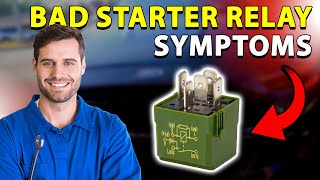
| Starter Relay | Engine won't crank (no sound or a single click), intermittent starting issues. | 🎬 Watch this guide on identifying and fixing a failed starter relay.
| Fuel Pump Relay | Engine cranks but won't start, stalling while driving, no humming sound from the fuel tank when the key is turned on. |
| Cooling Fan Relay | Engine overheating, A/C not blowing cold, cooling fan doesn't turn on, or fan stays on and drains the battery. |
| Main / ECM Relay | Check Engine Light is on, engine won't start, or a dead battery from the relay being stuck on. |
Choosing the Right Aftermarket Relay

When a relay fails, you have a choice between Original Equipment Manufacturer (OEM) and aftermarket parts. OEM parts are identical to the ones your Encore was built with. Aftermarket parts are made by other companies and can be a more affordable option.
For a common part like a relay, an aftermarket brand like Replacement offers a cost-effective solution. Since relays are generally standardized components, a quality aftermarket part can perform reliably for most daily driving needs. While some argue OEM parts have a higher quality standard, the simplicity and low replacement cost of an aftermarket relay make it a practical choice for troubleshooting and repair, especially when dealing with an electrical issue where the relay is a suspected cause.
Known Issues & Recalls
As of early 2026, there are no specific recalls issued by the NHTSA for relay failures on the 2013-2019 Buick Encore. Searches for Technical Service Bulletins (TSBs) related to relays did not yield specific widespread issues, though some bulletins mention fuse box problems that can affect relay function. Owners have reported issues with the cooling fan relay sticking, causing the fan to run continuously and drain the battery.
Frequently Asked Questions (FAQ)

Where are the relays located on my Buick Encore?
Most of the critical relays for your Encore are in the engine compartment fuse box, located next to the battery. There are also fuse and relay panels inside the passenger compartment (under the dash) and in the luggage area. Your owner's manual will have a diagram showing the specific location for each relay, such as the fuel pump or starter relay.
Can I replace a relay myself?
Yes, replacing a relay is one of the easiest DIY auto repairs. It typically involves locating the correct relay in the fuse box, pulling the old one straight out, and pushing the new one firmly into the socket. No special tools are required. The difficulty is rated as very low, often taking just a few minutes.
How do I know which relay is bad?
The easiest way to test a relay is to swap it with an identical one from a non-essential circuit (like the horn) that you know works. If swapping the relay fixes the problem, you've found the faulty part. For example, if your engine won't start and you suspect the starter relay, you can swap it with the horn relay (if they are the same type) and see if the engine then cranks.
Are all the relays in the fuse box the same?
No, not always. While many relays in your Encore may look similar and have the same pin configuration, they can have different amperage ratings or internal designs. It is critical to replace a faulty relay with one that has the exact same specifications. Check the part numbers and diagrams on the relay itself to ensure a correct match.
Helpful Videos
Technical Specifications
OEM Part Numbers: 96484304 933332571
Varies by function. Common types are 4-pin, 12V DC, with amperage ratings from 20A to 40A. Color and size may also differ. Always match the replacement to the original part's specifications.

The information in this article is provided for general reference and educational purposes only. Vehicle specifications, procedures, and part compatibility can vary by production date, trim level, and region. Always consult your vehicle's factory service manual and verify part numbers before purchasing or performing repairs. Safety-critical components such as airbags, seat belts, and braking systems should be installed by a qualified professional.
- Buick Encore: