

A Guide to Spark Plugs for the 2013-2018 Toyota Camry
Keep your Camry's engine running smoothly and efficiently by choosing the correct spark plugs for your specific engine.
- Stick with OEM brands like Denso or NGK for the best performance and longevity.
- Always use iridium spark plugs, as specified for your Camry's engine.
- The replacement job is easy on the 4-cylinder engine but difficult on the V6 due to the rear plugs' location.
- Do not use anti-seize on modern plugs and verify they are pre-gapped for your vehicle.
Understanding Spark Plugs in Your Camry

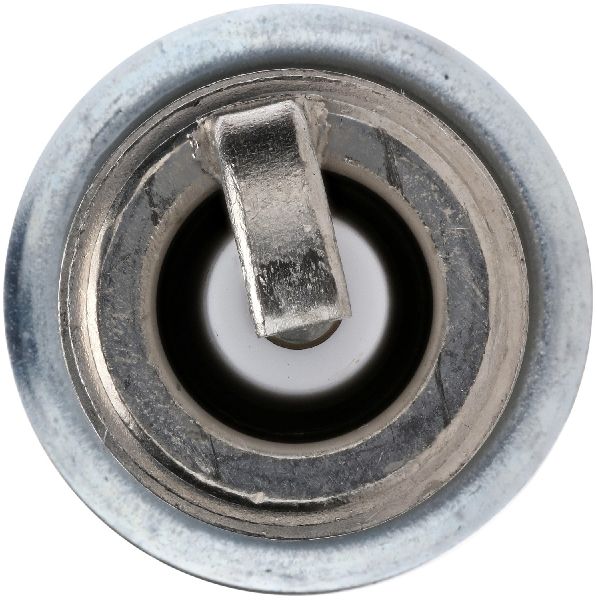
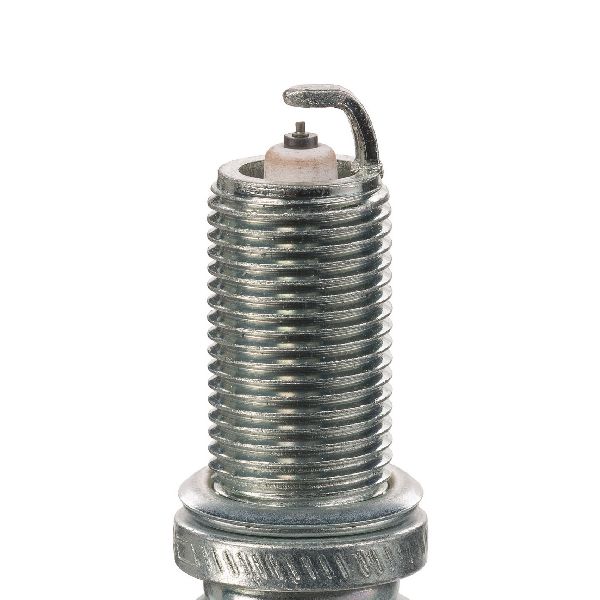
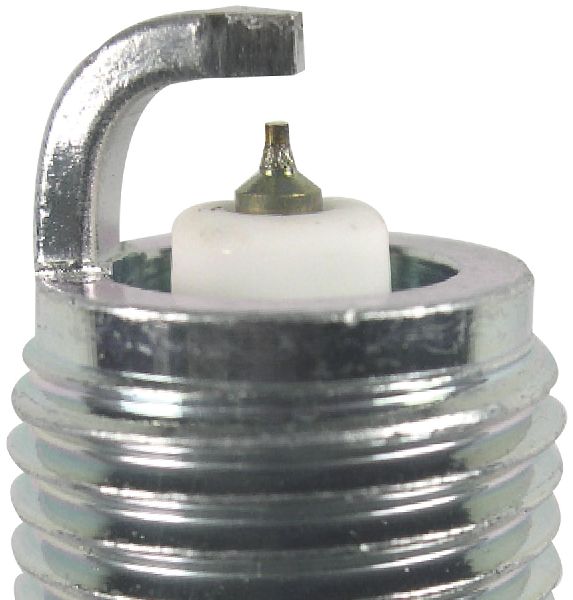
The 2013-2018 Toyota Camry came with two main engine options: the 2.5L 4-cylinder (2AR-FE) and the 3.5L V6 (2GR-FE). Both engines use long-lasting iridium spark plugs from the factory, which are designed for longevity and performance. The original equipment manufacturers (OEM) for Toyota are typically Denso and NGK. These brands are trusted for their quality and are engineered to work perfectly with your Camry's ignition system. While iridium plugs have a long service life, often up to 120,000 miles, they do eventually wear out and require replacement to maintain engine health.
Choosing the Right Aftermarket Spark Plugs

When it's time for a replacement, you have several choices. Sticking with the OEM-equivalent iridium plugs from Denso or NGK is the most recommended path for reliability and performance that matches the factory standard.
Brand Quality Tiers
| Tier | Brands | Description |
|---|---|---|
| OEM & Premium Aftermarket | Denso, NGK | These are the original equipment suppliers. Choosing their iridium plugs is the safest bet for guaranteed compatibility, performance, and long life (up to 120,000 miles). They are engineered specifically for your Camry's engine. |
| Quality Aftermarket | Bosch, Champion | These brands offer quality iridium and platinum spark plugs that can be a good alternative. While they are reputable, some owners and mechanics prefer to stick with the Japanese OEM brands for Japanese vehicles like the Camry. |
| Standard/Economy | Autolite | Autolite provides more budget-friendly options. While functional, they may not offer the same longevity or performance as the higher-tiered iridium plugs. These might be suitable for older, higher-mileage vehicles or if budget is the primary concern. |
A Note on V6 Engine Replacement
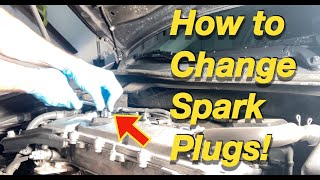
Replacing spark plugs on the 2.5L 4-cylinder engine is a straightforward task for a DIYer. 🎬 Watch this step-by-step guide on changing your Camry's spark plugs. However, on the 3.5L V6 engine, the three rear spark plugs are located under the intake manifold. This makes the job significantly more difficult and time-consuming, as the manifold must be removed to access them. Many owners of the V6 model choose to have a professional mechanic perform this service.
Frequently Asked Questions

How often should I change the spark plugs on my 2013-2018 Camry?
Toyota recommends replacing the original iridium spark plugs at 120,000 miles under normal driving conditions. However, if you experience symptoms of failure, you may need to replace them sooner.
Should I use Iridium, Platinum, or Copper spark plugs?
Your Camry was factory-equipped with iridium spark plugs for a reason—they offer the best combination of performance and longevity. It is highly recommended to replace them with new iridium plugs. Platinum is a good, but slightly less durable, alternative. Copper plugs are not recommended for this vehicle as they would wear out extremely quickly and could cause performance issues.
Do I need to check the gap on new spark plugs?
Most modern iridium spark plugs from brands like NGK and Denso come pre-gapped from the factory for your specific vehicle. It is generally not recommended to gap them yourself, as the fine iridium tip can be easily damaged. Always confirm you are buying the correct part number for your engine to ensure the gap is right.
Is it okay to use anti-seize on the spark plug threads?
Major manufacturers like NGK advise against using anti-seize on their modern spark plugs. The plugs have a special trivalent metal plating that prevents seizing and provides accurate torque readings. Using anti-seize can lead to over-tightening and potential engine damage.
Helpful Videos
Technical Specifications
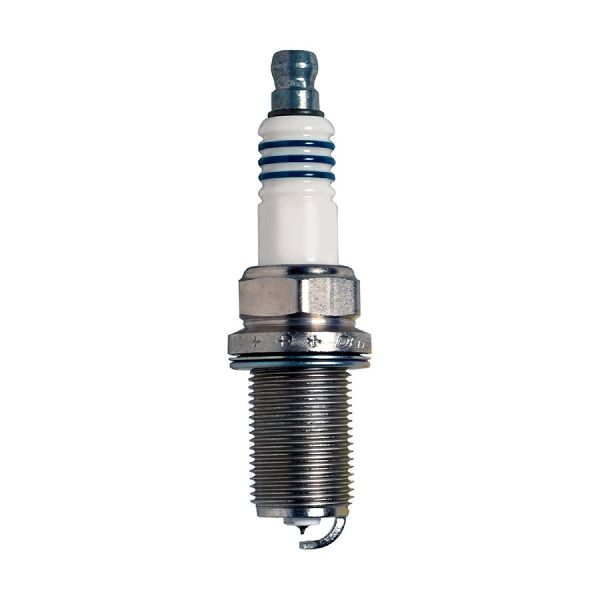
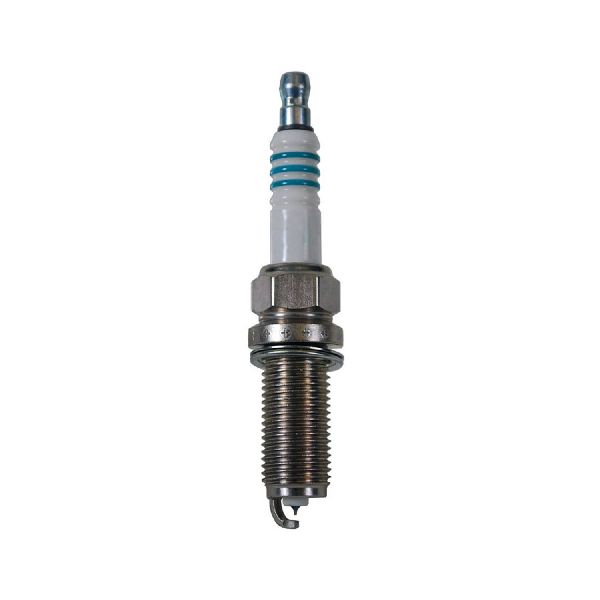
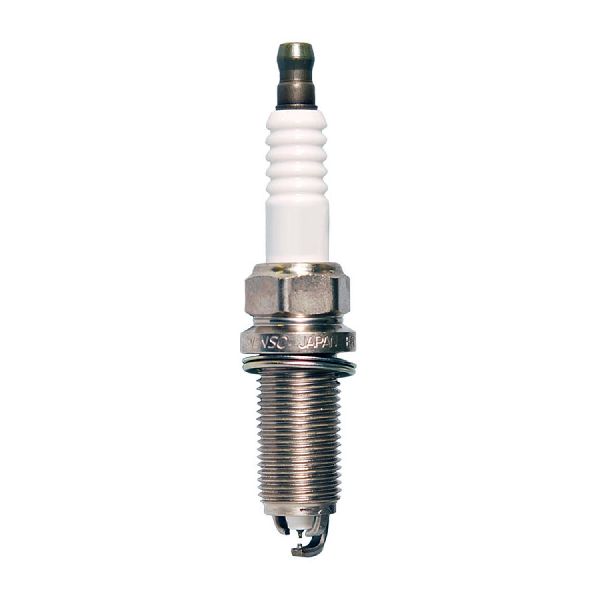
OEM Part Numbers: 90919-01233 (2.5L Gas - Denso SK16HR11) 90919-01259 (2.5L Hybrid - Denso FK16HR-A8) 90919-01247 (3.5L V6 - Denso FK20HR11)
Material: Iridium. Recommended Torque (Plugs): 13 ft-lbs (18 Nm). Recommended Torque (Coil Bolts): 7 ft-lbs (10 Nm).
We Have This Part in Stock

The information in this article is provided for general reference and educational purposes only. Vehicle specifications, procedures, and part compatibility can vary by production date, trim level, and region. Always consult your vehicle's factory service manual and verify part numbers before purchasing or performing repairs. Safety-critical components such as airbags, seat belts, and braking systems should be installed by a qualified professional.
- Toyota Camry: