

A Guide to Oxygen Sensors for the 2013-2018 Toyota Camry
Fix your check engine light and restore fuel economy by choosing the right replacement oxygen sensor.
- Denso is the Original Equipment Manufacturer (OEM) for Toyota and is the most recommended brand for reliability and compatibility.
- Your Camry has either two (4-cylinder) or four (V6) oxygen sensors; use a code reader to identify the specific failed sensor before buying a replacement.
- A bad oxygen sensor will cause a check engine light and an automatic failure on an emissions test.
- Always choose a direct-fit sensor to avoid cutting and splicing wires; a special O2 sensor socket makes the job much easier.
Is a Bad Oxygen Sensor a Big Deal?

Yes, a failing oxygen sensor can cause real problems. When a sensor sends bad information to your Camry's engine computer, it can throw off the air-fuel mixture. This often leads to a noticeable drop in gas mileage, a rough idle, and poor engine performance. Most importantly, it will trigger the check engine light and cause your car to fail an emissions test. Ignoring a bad upstream sensor for too long can even lead to expensive damage to your catalytic converter.
Don't Ignore the Check Engine Light
The most common sign of a bad O2 sensor is a check engine light. Before buying any parts, get the codes read for free at most auto parts stores. This will help you identify which specific sensor has failed, as your Camry has multiple sensors. Common codes include P0136, P0137, P0141, and P0420.
How Many O2 Sensors Does a 2013-2018 Camry Have?

The number of sensors depends on your engine:
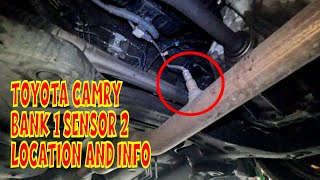
- 2.5L 4-Cylinder Engine: These models have two oxygen sensors. One upstream (Bank 1, Sensor 1) and one downstream (Bank 1, Sensor 2). 🎬 Watch: How to find the Bank 1 Sensor 2 location.
- 3.5L V6 Engine: These models have four oxygen sensors. There is an upstream and downstream sensor for each cylinder bank. Bank 1 is the cylinder bank closer to the rear of the car (firewall), and Bank 2 is closer to the front (radiator).
Choosing the Right Aftermarket Oxygen Sensor

Not all aftermarket brands are created equal. For a critical part like an oxygen sensor, quality matters. Using a cheap, low-quality sensor can cause persistent check engine lights and performance issues. Here’s a breakdown of trusted brands for your Camry.
Tier 1: OEM Quality
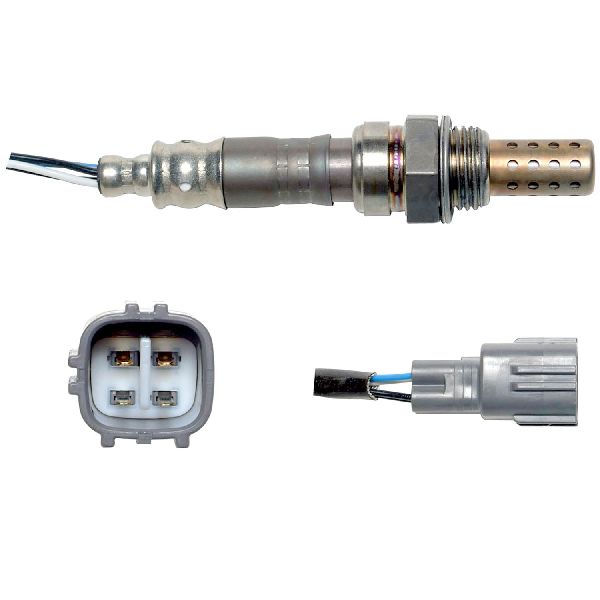
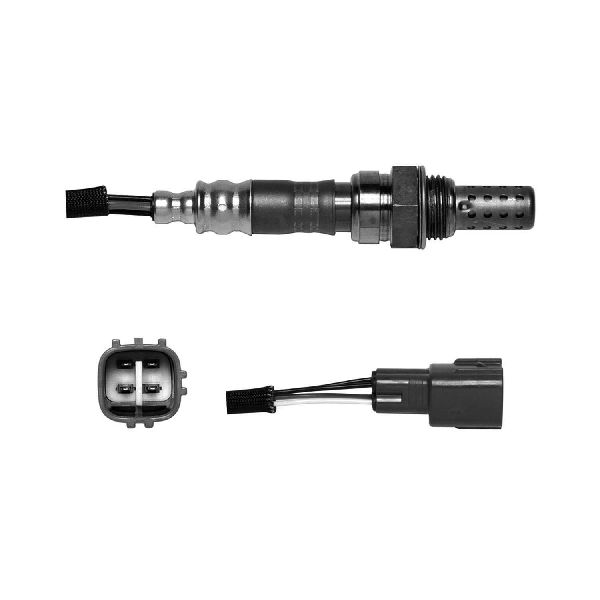
- Denso: Denso is the original equipment manufacturer (OEM) for Toyota's oxygen sensors. Choosing a Denso aftermarket sensor is the closest you can get to buying the part from a Toyota dealer, often at a much lower price. They are widely recommended by Toyota owners and mechanics for their reliability and perfect fit.
- NGK (NTK): NGK, also known by their sensor brand name NTK, is another top-tier OEM supplier for many Japanese automakers. They are a highly respected and reliable alternative to Denso.
Tier 2: Reputable Aftermarket
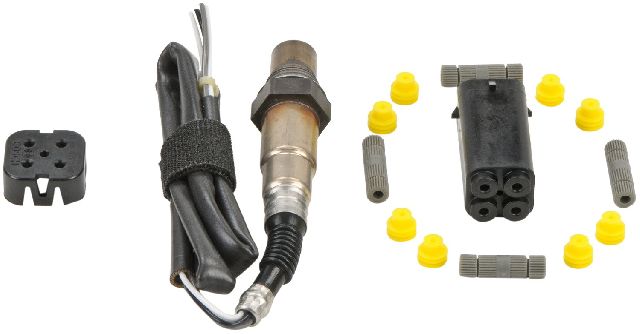
- Bosch: Bosch is a massive parts manufacturer that invented the oxygen sensor. While they are a quality brand, some Toyota purists prefer to stick with Denso or NGK to ensure perfect compatibility. However, many owners use Bosch sensors without any issues.
- Delphi: Delphi is a major OEM supplier for American and European brands and produces reliable aftermarket parts. They offer a good balance of quality and price.
Tier 3: Economy Brands
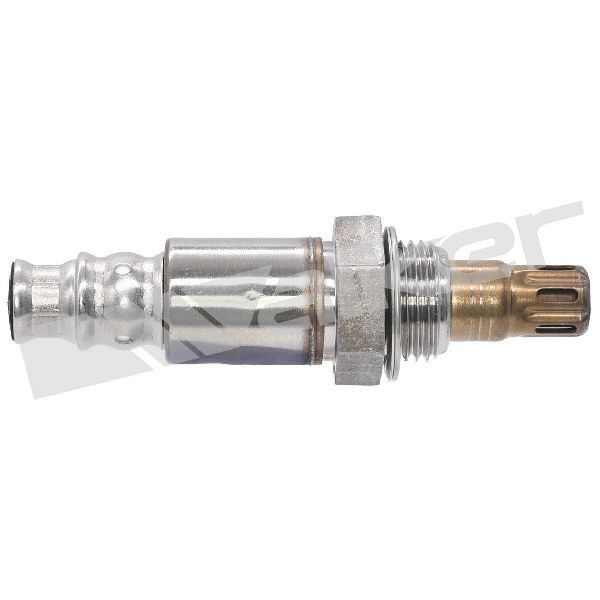
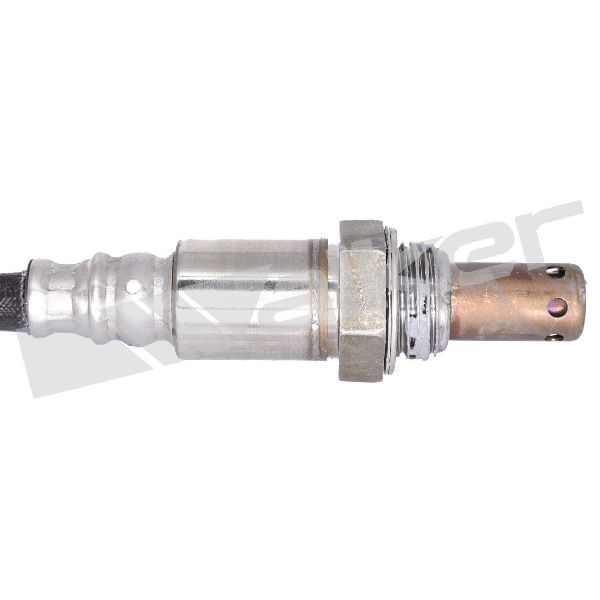
- Spectra, Walker Products, DriveWire: These brands offer a budget-friendly option. They can be a viable choice if cost is your primary concern, but their lifespan and sensor precision may not match the higher-tiered brands.
Pro Tip: Buy Direct-Fit Sensors
Always choose a "direct-fit" or "exact-fit" sensor. These come with the correct electrical connector for your Camry, making installation a simple plug-and-play process. Avoid "universal" sensors, which require you to splice wires and can lead to connection problems.
How Much Does an Oxygen Sensor Replacement Cost?
The cost can vary significantly based on the brand of the sensor and whether you do the work yourself. The 2013-2018 Camry has multiple sensors, with upstream (air-fuel ratio) sensors typically being more expensive than downstream sensors.
| Item | Estimated Cost |
|---|---|
| New OEM Sensor (Dealer) | $115 - $310 per sensor |
| New Aftermarket Sensor | $25 - $306 per sensor |
| Shop Labor | $100 - $200 per sensor |
| Total Professional Replacement | $140 - $571+ per sensor |
Frequently Asked Questions (FAQ)

Can I replace an oxygen sensor myself?
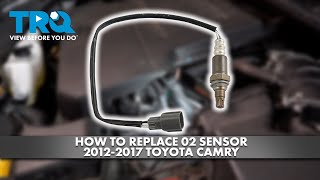
Yes, this is a very DIY-friendly job for most people with basic tools. The key is having 🎬 Watch: Step-by-step guide to replacing your Camry's oxygen sensor. a special oxygen sensor socket (a 22mm or 7/8" socket with a slit for the wire). Soaking the old sensor with penetrating oil beforehand can make removal much easier.
What is the difference between an upstream and downstream sensor?
The upstream sensor (also called Sensor 1 or an Air-Fuel Ratio Sensor) is located before the catalytic converter and is crucial for managing the engine's air-fuel mixture. The downstream sensor (Sensor 2) is located after the catalytic converter and its main job is to monitor the converter's health. The upstream sensor is more critical to engine performance.
My mechanic found a P0420 code. Is it the O2 sensor or the catalytic converter?
The P0420 code means "Catalyst System Efficiency Below Threshold." While this can mean a failed catalytic converter, it's often triggered by a failing downstream (Bank 1, Sensor 2) oxygen sensor. It's wise to inspect for exhaust leaks and test or replace the cheaper downstream sensor first before assuming you need an expensive new converter.
🎬 See how to diagnose P0420 and P0430 efficiency codes.Do I need to replace all the sensors at once?
No. You only need to replace the specific sensor that has failed. A diagnostic scan tool will provide a code that points to the exact sensor (e.g., Bank 1 Sensor 2), so you don't have to guess.
Helpful Videos

Technical Specifications
OEM Part Numbers: 89467-06160 89467-06120 89465-06290 89465-06260 89465-06320 89467-0E190 89467-06190
Varies by sensor position (Upstream/Downstream) and engine (2.5L/3.5L). All are heated sensors with a 4-wire configuration. A 22mm (7/8") wrench or O2 sensor socket is required for removal and installation.
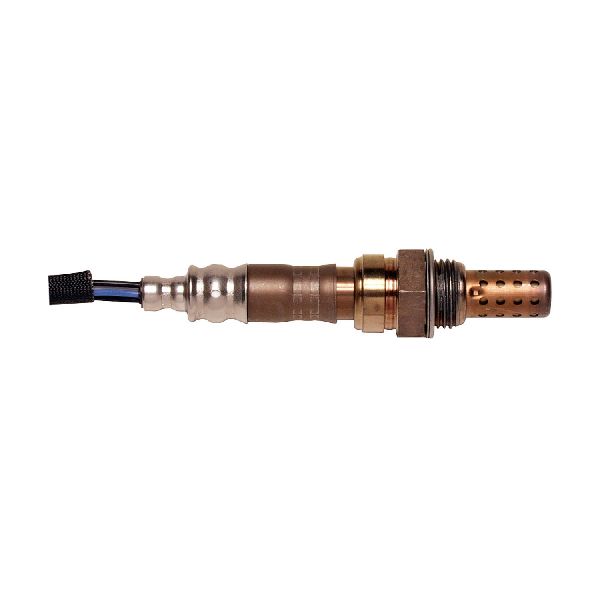
We Have This Part in Stock

The information in this article is provided for general reference and educational purposes only. Vehicle specifications, procedures, and part compatibility can vary by production date, trim level, and region. Always consult your vehicle's factory service manual and verify part numbers before purchasing or performing repairs. Safety-critical components such as airbags, seat belts, and braking systems should be installed by a qualified professional.
- Toyota Camry: