

Toyota Camry Engine Coolant Temperature Sensor Guide (2013-2018)
Is your 2013-2018 Toyota Camry running rough or getting poor gas mileage? It could be the coolant sensor.
- A bad ECT sensor on your Camry will likely cause a Check Engine Light with codes P0115-P0118 and lead to poor fuel economy.
- Denso is the original equipment (OEM) supplier, making it the most recommended aftermarket choice for reliability.
- Replacement is a simple, 30-minute DIY job for most owners, requiring a 19mm deep socket and basic tools.
- No specific recalls or TSBs exist for this part on 2013-2018 Camrys; failures are from normal wear.
Is Your Camry's Engine Coolant Temp Sensor Failing?

The Engine Coolant Temperature (ECT) sensor is a key player in your 2013-2018 Toyota Camry's engine management system. It tells the car's computer how hot or cold the engine is, which affects everything from fuel usage to engine performance. When it starts to fail, it can cause a variety of confusing symptoms. Because this sensor is so important for fuel calculations, ignoring a failure can lead to more expensive problems down the road, like a damaged catalytic converter.
Common Symptoms of a Bad ECT Sensor

- Check Engine Light: A failing ECT sensor will almost always trigger the check engine light. Common error codes include P0115, P0116, P0117, P0118, and P0128. 🎬 See a detailed diagnosis and explanation of these error codes.
- Poor Fuel Economy: If the sensor incorrectly tells the computer the engine is cold, the computer will inject extra fuel. This causes your Camry to run "rich," wasting gas.
- Black Smoke from Exhaust: Excess fuel from a rich condition may not burn completely, resulting in black, sooty smoke from the tailpipe.
- Rough Idling or Hard Starts: The engine may idle poorly, hesitate, or be difficult to start, especially when cold, because the fuel mixture is wrong.
- Inaccurate Temp Gauge: The temperature gauge on your dashboard might behave erratically, or not move at all.
Known Issues for 2013-2018 Toyota Camry
After a thorough review of NHTSA data and technical service bulletins (TSBs), there are no specific recalls or widespread TSBs issued for the Engine Coolant Temperature Sensor on the 2013-2018 Toyota Camry. Failures are typically due to normal wear and tear over time.
Choosing the Right Aftermarket Sensor

For a critical sensor like the ECT, brand quality matters. You don't have to buy from the dealer, but choosing a reputable aftermarket brand is important for reliability.
| Brand Tier | Brands | Notes |
|---|---|---|
| OEM / Top Tier | Denso | Denso is the original equipment manufacturer for many Toyota parts. Choosing Denso is the closest you can get to the original part's quality and performance. Highly recommended. |
| Reputable Aftermarket | Delphi, NGK, Standard Ignition (SMP) | These brands have a strong reputation for producing reliable electronic components that meet or exceed OEM specifications. They are excellent alternatives to OEM. |
| Standard / Economy | ACDelco, Beck Arnley, Walker Products, Motorad, URO Parts, Facet, Vemo | These brands offer a more budget-friendly option. While they can be a good value, their consistency and longevity may not match the top-tier brands. Beck Arnley, for instance, sometimes re-boxes parts from various sources, leading to mixed quality. |
Installation Tip
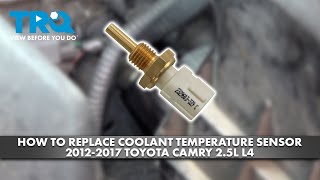
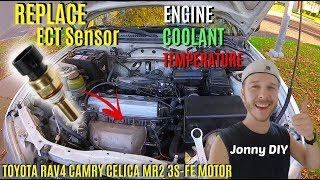
The ECT sensor for the 4-cylinder Camry is located on the driver's side of the engine, near the thermostat housing where the upper radiator hose connects. The job is simple and requires a 19mm deep socket. 🎬 Watch this step-by-step replacement guide for the 2.5L engine. Always let the engine cool completely before starting. A small amount of coolant will leak out when you remove the old sensor, so have a small pan ready. Apply thread sealant to the new sensor's threads before installation and do not overtighten it—just snug is enough.
Frequently Asked Questions (FAQ)

Can I drive my Camry with a bad coolant sensor?
It is not recommended. Driving with a bad sensor can cause poor performance, terrible fuel economy, and potentially lead to engine overheating or damage to the catalytic converter from running too rich. It's best to get it replaced soon.
Where is the ECT sensor located on a 2013-2018 Camry?
On the common 2.5L 4-cylinder engine, it is on the driver's side of the engine block, threaded into the coolant passage near the thermostat housing. Follow the large upper radiator hose to the engine, and the sensor will be nearby.
Do I need to drain all the coolant to replace the sensor?
No, you do not need to drain the entire system. Only a small amount of coolant will spill out when you remove the sensor. If you are quick with swapping the old and new sensors, coolant loss will be minimal. Just be sure to top off the coolant reservoir 🎬 Watch how to test and replace the sensor yourself. after you are done.
What is the difference between the ECT sensor and the temperature sender?
They are two different parts. The Engine Coolant Temperature (ECT) sensor sends information to the engine's computer (ECU). The temperature sender (or sending unit) sends information to the temperature gauge on your dashboard. On the 2013-2018 Camry, these functions are often integrated, but it's important to replace the correct part for the problem you're having.
Helpful Videos
Technical Specifications
OEM Part Numbers: 89422-33030
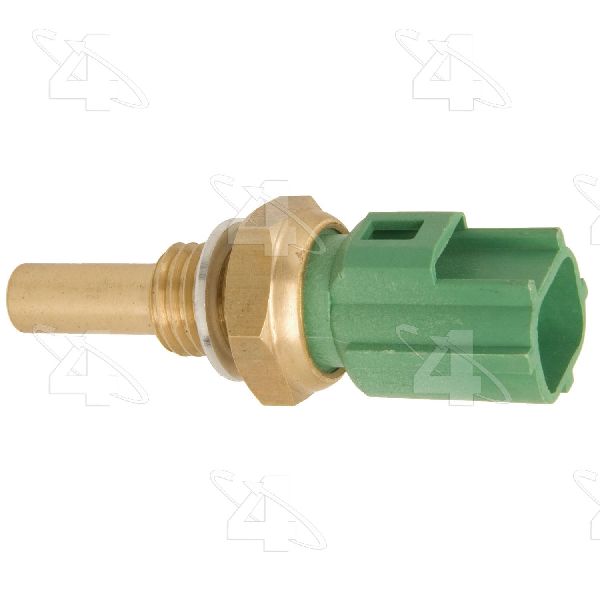
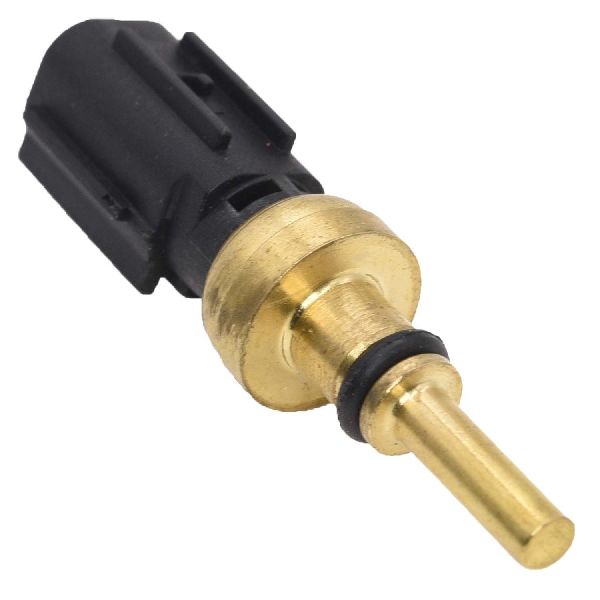
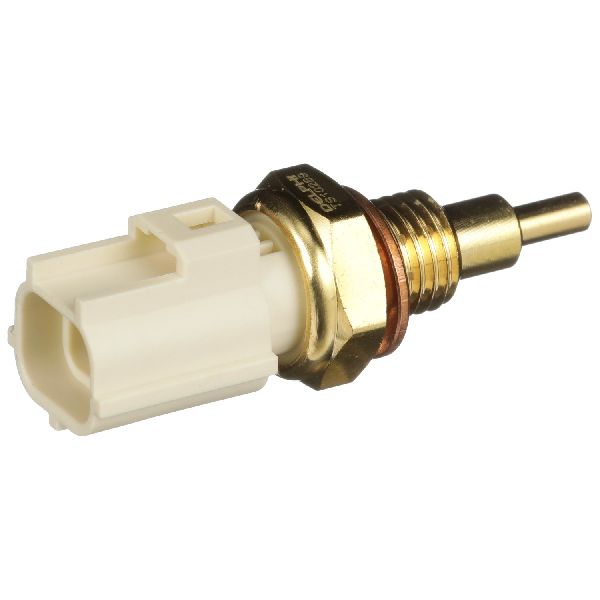
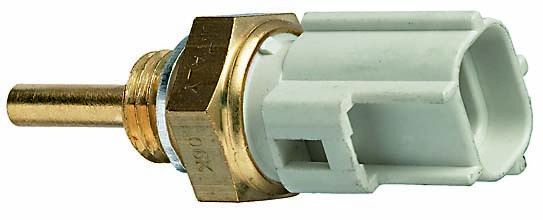
Connector Type: Plug-in, 2-Terminal. Threaded brass or plastic body. Requires thread sealant for installation.
We Have This Part in Stock


The information in this article is provided for general reference and educational purposes only. Vehicle specifications, procedures, and part compatibility can vary by production date, trim level, and region. Always consult your vehicle's factory service manual and verify part numbers before purchasing or performing repairs. Safety-critical components such as airbags, seat belts, and braking systems should be installed by a qualified professional.
- Toyota Camry: