

A Home Mechanic's Guide to the 2013-2018 Toyota Camry Alternator
Learn to spot the signs of a failing alternator and choose the right replacement for your Camry.
- Denso is the original equipment manufacturer for the 2013-2018 Camry; choosing a Denso or Bosch replacement offers the best reliability.
- Symptoms often include a whining noise, dim lights, and a battery warning light on the dash.
- On the 4-cylinder engine, this is a very manageable DIY replacement that can be done in under two hours with basic tools.
- If your alternator fails, it's wise to also test and likely replace your battery, especially if it's over three years old.
Is Your Camry's Alternator Failing?

An alternator doesn't usually fail without warning. For the 2013-2018 Toyota Camry, the signs are often clear if you know what to look and listen for. Paying attention to these symptoms can help you avoid getting stranded.
Common Symptoms of a Bad Alternator:
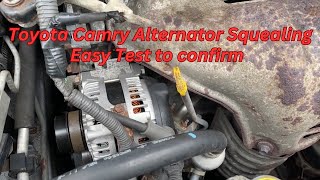
- Whining or Grinding Noise: One of the most common signs is a whining or grinding sound coming from the engine bay. This noise is often caused by worn-out bearings inside the alternator and will change pitch as you rev the engine.
- Dimming Lights and Slow Accessories: If your headlights or dashboard lights seem dim or flicker, it's a classic sign the alternator isn't producing enough power. You might also notice your power windows moving slower than usual.
- Battery Warning Light: Your dashboard has a warning light shaped like a battery. While many think this light is just for the battery, it actually indicates a problem with the charging system, which usually points to the alternator.
- Electric Power Steering Warning: Your Camry has electric power steering. If the alternator's output drops, the power steering system may lose power, making the wheel harder to turn and triggering a warning light.
- Dead Battery: A new battery that repeatedly dies is a strong indicator that the alternator isn't recharging it properly. If you can jump-start the car but it dies again shortly after, the alternator is the likely culprit.
Don't Ignore the Signs
Driving with a failing alternator is risky. Once it fails completely, your car will run on battery power alone for a very short time before shutting down completely, leaving you stranded.
Choosing the Right Aftermarket Alternator


When replacing the alternator on your Camry, you have a choice between OEM and aftermarket parts. The original alternator was made by Denso, a top-tier brand. Aftermarket options can offer great value, but quality varies. Here’s how to understand the brands available:
- Premium Brands (Denso, Bosch): A new or remanufactured Denso is the closest you can get to the original part, offering excellent reliability. Bosch is another high-quality option known for durability and performance. These are your best bet for long-term peace of mind.
- Quality New Brands (WAI Global, MPA/Quality-Built): Brands like WAI Global and MPA (which makes Quality-Built) offer completely new units, which some mechanics prefer over remanufactured ones. They are generally reliable, though some user reviews mention occasional issues like noise or output inconsistencies.
- Remanufactured Brands (BBB Industries, Remy): These brands specialize in remanufacturing, which involves rebuilding original units with new wear-and-tear components. They can be a cost-effective choice, but quality can be hit-or-miss depending on the specific unit.
Pro Tip: Check the Pulley
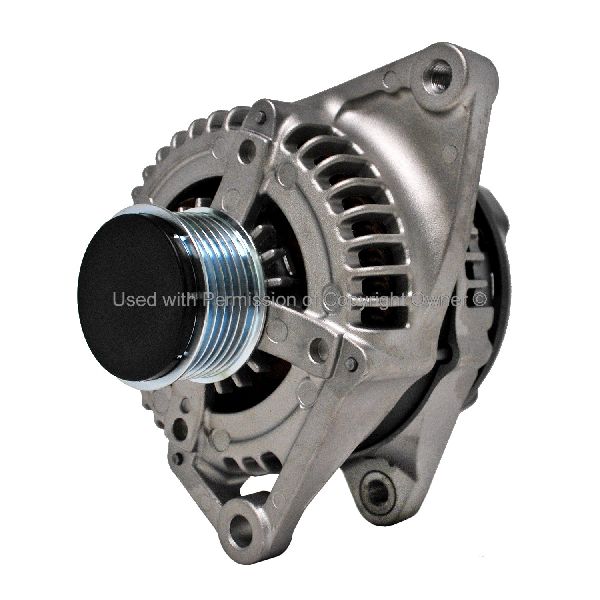
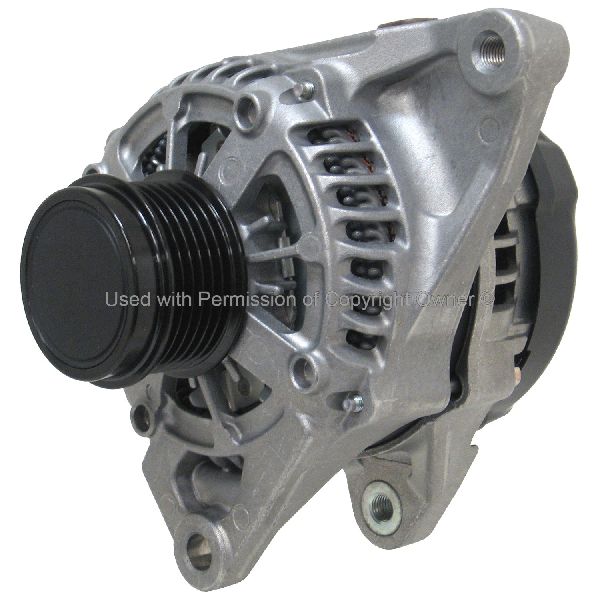
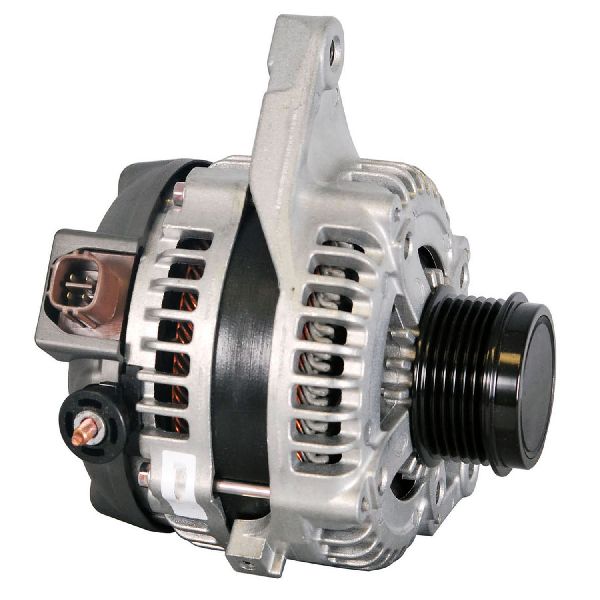
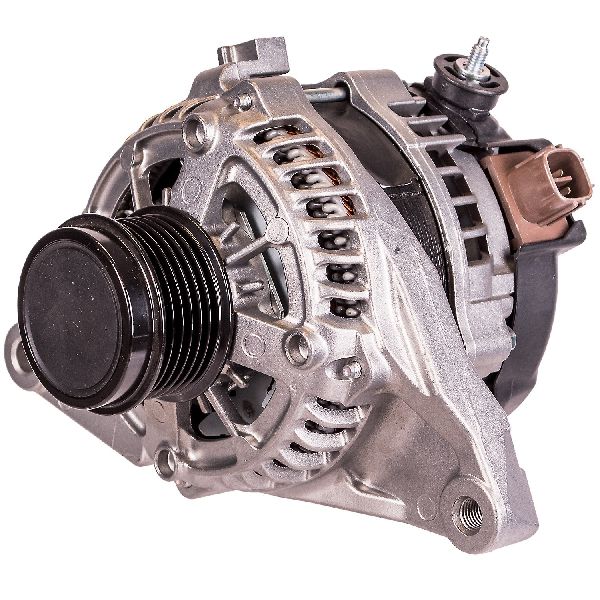
Some alternators for this Camry use a standard pulley, while others use a clutched pulley (OAD - Overrunning Alternator Decoupler). The clutched pulley helps reduce vibrations and wear on the belt. Ensure your replacement has the correct type of pulley for your specific vehicle to avoid issues.
How Much Does a Camry Alternator Replacement Cost?

The cost depends on whether you do the job yourself or go to a shop. The part itself can range from under $200 for a remanufactured unit to over $450 for a new premium brand.
| Cost Type | Estimated Price Range |
|---|---|
| New Aftermarket Alternator | $175 - $463 |
| New OEM Alternator | $490 - $700 |
| Shop Labor | $160 - $235 |
| Total Professional Replacement | $550 - $810+ |
Frequently Asked Questions

Is replacing the alternator on a 2013-2018 Camry a DIY job?
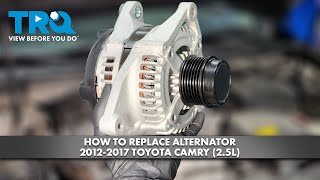
For the 2.5L 4-cylinder engine, yes. The alternator is located on the top passenger side of the engine and is fairly accessible. With basic tools and a good tutorial video, a home mechanic can complete the job in about 1-2 hours. The V6 model is more difficult.
Do I need to replace the battery at the same time?
It's a good idea. A failing alternator can damage a battery by undercharging or overcharging it. If your battery is more than 3-4 years old, replacing it along with the alternator can prevent future starting problems.
Are there any recalls for the alternator on this Camry?
Searches of the National Highway Traffic Safety Administration (NHTSA) database show no widespread recalls or technical service bulletins (TSBs) for alternator failure on the 2013-2018 Toyota Camry. Failures are typically due to age and mileage.
What's the difference between a new and a remanufactured alternator?
A new alternator is made from all-new components. A remanufactured alternator starts with a used core (the original housing) and is rebuilt with new internal parts like bearings, brushes, and the voltage regulator. A quality remanufactured unit from a top brand like Denso or Bosch can be just as reliable as a new one.
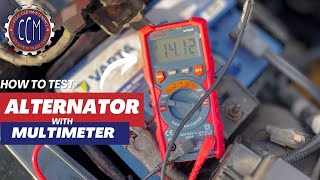
Helpful Videos

Technical Specifications
OEM Part Numbers: 27060-0V170 27060-36080
Amperage and pulley type are the most critical specifications. Most 2.5L models use a 100-125 Amp alternator. Ensure the replacement has the correct pulley type (standard or clutched OAD) to match the original part.
We Have This Part in Stock


The information in this article is provided for general reference and educational purposes only. Vehicle specifications, procedures, and part compatibility can vary by production date, trim level, and region. Always consult your vehicle's factory service manual and verify part numbers before purchasing or performing repairs. Safety-critical components such as airbags, seat belts, and braking systems should be installed by a qualified professional.
- Toyota Camry: