

A Jeep Owner's Guide to the 2013-2018 Wrangler MAP Sensor
Is your JK Wrangler running rough or losing power? Your Manifold Absolute Pressure sensor could be the culprit.
- A bad MAP sensor on a 2013-2018 Wrangler typically causes a check engine light, rough idle, poor MPG, and hesitation.
- Replacement is extremely easy and can be done in under 10 minutes with no special tools.
- Quality aftermarket brands like Delphi, NGK, Crown, and Standard are reliable and cost-effective alternatives to OEM.
- Symptoms can sometimes be caused by a vacuum leak, so a persistent problem may require further diagnosis.
Is Your Jeep Trying to Tell You Something?

A failing Manifold Absolute Pressure (MAP) sensor can cause a range of problems that are hard to ignore. Because the sensor provides vital data for the air-fuel mixture and ignition timing, a bad sensor can make your Wrangler run poorly. You might notice one or more of these issues, which can appear suddenly.
Top 5 Symptoms of a Bad MAP Sensor
- Check Engine Light: This is often the first sign. The light will come on when the computer detects a problem with the sensor's signal. Common trouble codes include P0106, P0107, and P0108.
- Rough Idle: Your Jeep might shake or idle unevenly when stopped. This happens because the engine isn't getting the right fuel mixture at low RPMs.
- Poor Fuel Economy: If the sensor sends a false high-pressure reading, the computer will inject too much fuel, causing your gas mileage to drop.
- Loss of Power & Hesitation: A faulty sensor can tell the computer there's less engine load than there really is. This leads to the computer cutting back on fuel, resulting in sluggish acceleration and a feeling of hesitation.
- Black Smoke from Exhaust: An overly rich fuel mixture (too much gas, not enough air) can result in black smoke coming from your tailpipe. This is unburnt fuel and a clear sign something is wrong.
Could It Be Something Else?
Sometimes, symptoms that point to a bad MAP sensor can actually be caused by a vacuum leak in the intake manifold gasket. A smoke test is the best way to diagnose a vacuum leak. If you replace the sensor and the problems persist, it's wise to check for leaks before replacing other parts.
Choosing Your Aftermarket MAP Sensor

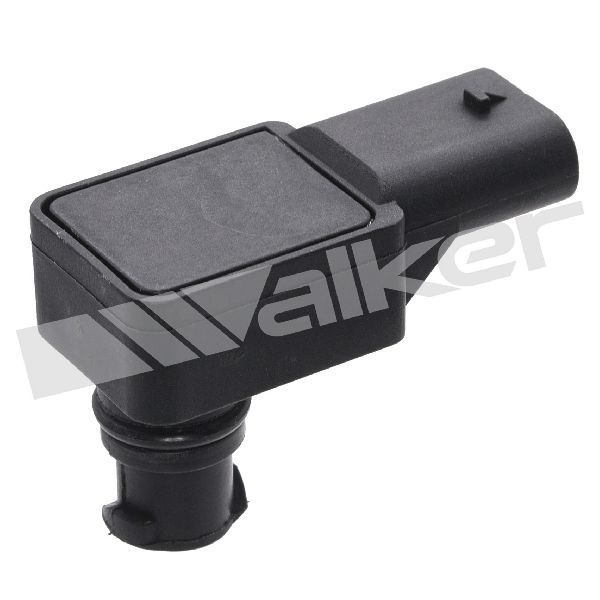
For the 2013-2018 Wrangler JK, the MAP sensor is a relatively simple and inexpensive part. While Mopar is the original equipment manufacturer, many aftermarket brands offer quality replacements that meet or exceed OEM specifications. Here’s a look at some available brands:
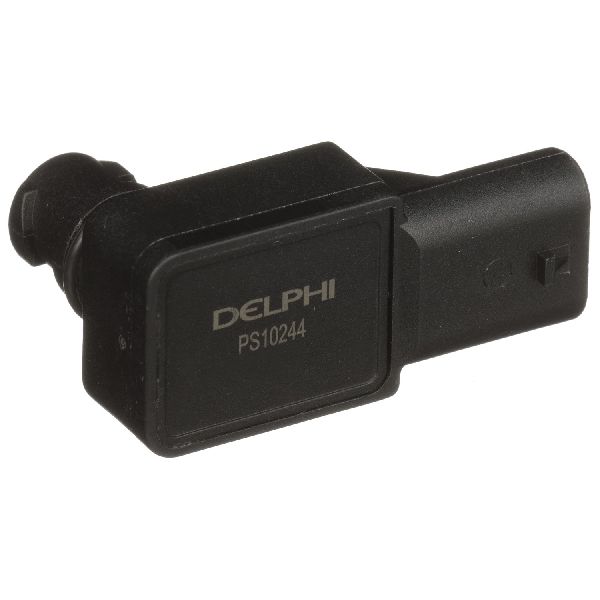
- Premium Aftermarket (Delphi, NGK/NTK): Brands like Delphi and NGK (also sold as NTK) are well-regarded in the industry for producing high-quality electronic components that often rival OEM parts. They are known for their reliability and adherence to original specifications.
- Jeep Specialist (Crown Automotive): Crown is a brand dedicated to the Jeep aftermarket. They offer a huge range of replacement parts and are a popular choice for Jeep owners looking for a balance of quality and value.
- Standard Aftermarket (Standard Ignition, Walker Products, Holstein, Global Parts): These brands are established names in the aftermarket world. They provide reliable, direct-fit replacement parts that offer a cost-effective solution. While they are generally dependable, some forum users have occasionally reported getting a bad sensor out of the box, though this can happen with any brand.
OEM vs. Aftermarket for this Part
For a simple, non-critical sensor like the MAP sensor on the JK, a quality aftermarket part is a perfectly acceptable and budget-friendly choice. Many owners and shops use them without issue. The key is to buy from a reputable brand to ensure proper fit and function.
How to Replace the MAP Sensor on a 3.6L Wrangler JK
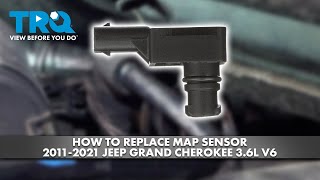
🎬 Watch: This video shows the replacement process on a similar 3.6L engine.
Good news: this is one of the easiest jobs you can do on your Jeep. The MAP sensor is located right on top of the intake manifold, making it incredibly accessible.
- Locate the Sensor: Open the hood and look at the top of your engine. The MAP sensor is on the upper intake manifold, usually near the throttle body.
- Disconnect the Electrical Connector: Slide the red locking tab back. Press the release tab on the connector and pull it straight off the sensor.
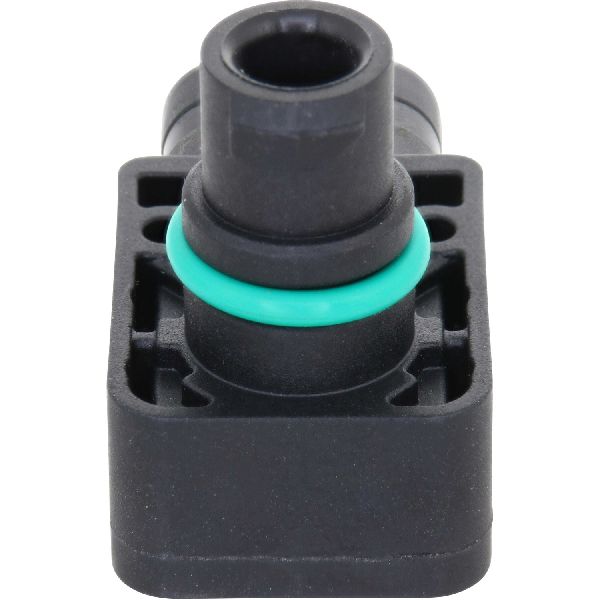
- Remove the Old Sensor: The sensor is held in by an O-ring seal, not bolts. Simply twist the sensor about 90 degrees (a quarter turn) counter-clockwise and pull it straight up and out of the manifold.
- Install the New Sensor: Lightly lubricate the O-ring on the new sensor with a bit of clean engine oil or dielectric grease. This helps it seal properly and makes installation easier. Push the new sensor into the manifold, then twist it 90 degrees clockwise to lock it in place.
- Reconnect and Finish: Plug the electrical connector back in and slide the red tab to lock it. If you disconnected the battery, reconnect it. Start your Jeep and check that the Check Engine Light is off.
| Part Type | Estimated Cost |
|---|---|
| New Aftermarket | $26 - $46 |
| New OEM (Mopar) | $45 - $65 |
| Shop Labor | $50 - $100 |
Frequently Asked Questions
Can I just clean my MAP sensor?
While some sensors can be cleaned, it's generally not recommended for a MAP sensor. The sensing element is delicate and can be damaged by cleaning sprays or physical contact. Given the low cost of a new sensor, replacement is the best and most reliable option.
Is there a recall on the MAP sensor for the 2013-2018 Wrangler?
No, searches of the National Highway Traffic Safety Administration (NHTSA) database show no recalls specifically for the MAP sensor on this generation of Jeep Wrangler. There are TSBs (Technical Service Bulletins) for other sensors, but not the MAP sensor itself.
What's the difference between a MAP and a MAF sensor?
Your Jeep Wrangler uses a MAP (Manifold Absolute Pressure) sensor, not a MAF (Mass Air Flow) sensor. A MAP sensor measures engine load based on pressure (vacuum), while a MAF sensor measures the volume and density of air entering the engine. They perform similar functions but use different methods.
Do I need to disconnect the battery to change the MAP sensor?
It's always a good practice to disconnect the negative battery terminal before working on any electrical component. This prevents any potential short circuits and also helps reset the engine computer, allowing it to learn the parameters of the new sensor more quickly.
Helpful Videos
Technical Specifications
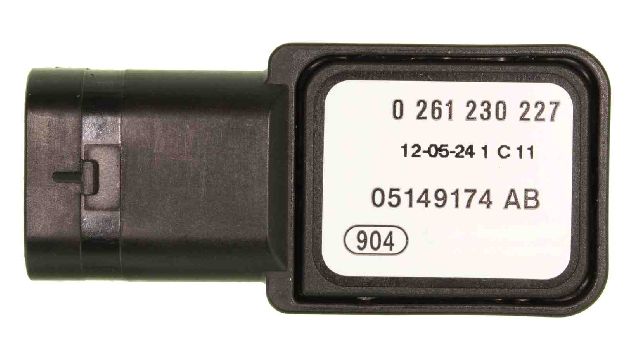
OEM Part Numbers: 5149174AB
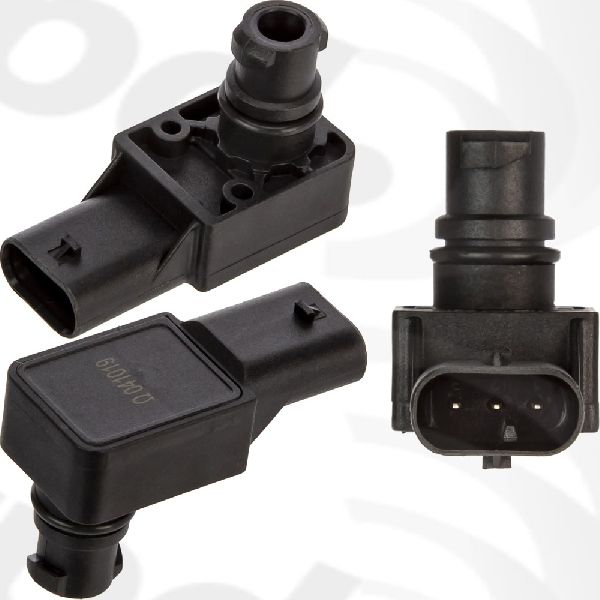
3-pin electrical connector, twist-lock installation with O-ring seal.
We Have This Part in Stock


The information in this article is provided for general reference and educational purposes only. Vehicle specifications, procedures, and part compatibility can vary by production date, trim level, and region. Always consult your vehicle's factory service manual and verify part numbers before purchasing or performing repairs. Safety-critical components such as airbags, seat belts, and braking systems should be installed by a qualified professional.
- Jeep Wrangler: