

Jeep Cherokee Coolant Temperature Sensor Guide (2013-2018)
Is your Jeep Cherokee getting bad gas mileage or showing a check engine light? Your coolant sensor might be the problem.
- Verify your engine (2.4L or 3.2L) before buying, as the sensor location is different.
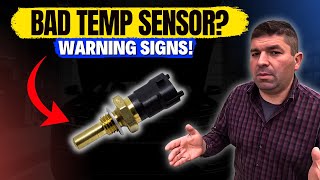
- Common symptoms of failure include a check engine light (P0117, P0128), poor fuel economy, and an erratic temperature gauge.
- While aftermarket sensors are cheaper, many Jeep owners recommend using an OEM Mopar sensor to avoid potential electronic compatibility issues.
- Replacing the sensor is a manageable DIY task, but it requires partially draining the coolant and refilling the system afterward.
Symptoms of a Failing Coolant Sensor in a 2013-2018 Jeep Cherokee

A bad coolant temperature sensor can cause several confusing problems because its readings affect many engine functions. Watch for these common signs of failure in your Jeep Cherokee:
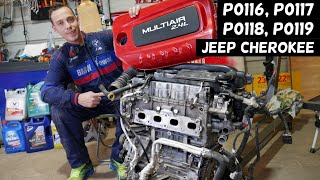
- Check Engine Light: This is the most common symptom. A faulty sensor can trigger codes like P0116, P0117, P0118, and P0128. 🎬 Watch this guide on diagnosing these specific Jeep trouble codes.
- Poor Fuel Economy: If the sensor is stuck sending a "cold" signal, the engine's computer will keep the fuel mixture rich, as if the engine is always warming up. This wastes gas and causes a noticeable drop in your MPG.
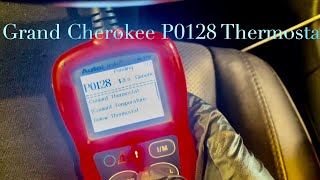
- Engine Overheating or Running Too Cool: A bad sensor might not tell the electric cooling fans to turn on when needed, which can lead to overheating. On the other hand, a code like P0128 often means the engine isn't getting hot enough, which can also be caused by a faulty sensor or a stuck thermostat.
- Erratic Temperature Gauge: The temperature gauge on your dashboard might give incorrect readings. It could stay on cold, suddenly jump to hot, or move around randomly.
- Black Smoke from Exhaust: A fuel mixture that is too rich can cause unburned fuel to exit through the exhaust, creating black smoke.
- Hard Starting: When the engine is warm, a bad sensor might still tell the computer it's cold. This causes the computer to inject too much fuel, making the engine hard to start.
Known Issues: TSBs and Recalls
Searches for recalls and Technical Service Bulletins (TSBs) on the NHTSA database did not show any specific recalls for the coolant temperature sensor on the 2013-2018 Jeep Cherokee. A TSB (07-005-23) was found for a coolant leak related to the ECT sensor on 2023 models, but this does not apply to the 2013-2018 year range. Always check for the latest information using your vehicle's VIN on the NHTSA website.
Choosing the Right Aftermarket Sensor

When replacing the coolant temperature sensor, you have the choice between an original equipment manufacturer (OEM) part from Mopar and various aftermarket brands.
- OEM (Mopar): Many Jeep owners and mechanics strongly recommend using an OEM Mopar sensor. Forum discussions suggest that Jeep vehicles can be very sensitive to the voltage readings from sensors, and an aftermarket part that is even slightly out of specification can cause persistent check engine lights or performance issues.
- Aftermarket (Replacement Brand): Aftermarket parts offer a significant cost saving. For a simple component like a temperature sensor, a quality aftermarket part can be a good value. However, be aware of the potential for compatibility issues that some owners report. If you choose an aftermarket sensor and issues persist, the sensor itself could be the problem.
Pro Tip: Before ordering, confirm your engine size. The 2.4L 4-cylinder and 3.2L V6 engines have the sensor in different locations, so it's important to get the right information for your specific vehicle. For the 2.4L, the sensor is on the thermostat housing. 🎬 See how to locate and replace the sensor on 2.4L engines. For the 3.2L V6, it's on the back of the driver's side cylinder head.
Cost of Replacing a Coolant Temperature Sensor
The cost to replace a coolant temperature sensor on a 2013-2018 Jeep Cherokee can vary based on the part brand and labor rates.
| Item | Estimated Cost |
|---|---|
| New Aftermarket Sensor | $20 - $44 |
| New OEM (Mopar) Sensor | $45 - $65 |
| Shop Labor | $95 - $192 |
| Total (DIY) | $20 - $65 |
| Total (Installed at Shop) | $115 - $257 |
Frequently Asked Questions (FAQ)

Can I replace the coolant temperature sensor myself?
Yes, this is a DIY-friendly job for someone with basic mechanic skills. The process involves partially draining the coolant, disconnecting the electrical connector, and unscrewing the old sensor. The most critical steps are working on a cool engine to avoid burns and properly refilling and bleeding the air from the cooling system afterward.
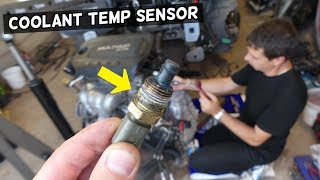
🎬 Follow this step-by-step video to replace your coolant temperature sensor.Where is the coolant sensor on my 2013-2018 Jeep Cherokee?
The location depends on your engine. For the 2.4L MultiAir engine, the sensor is on the thermostat housing, located on the passenger side of the engine. For the 3.2L V6 engine, the sensor is found on the back of the driver's side cylinder head.
What trouble codes are related to a bad coolant sensor?
Common OBD-II codes include P0116 (Circuit Performance), P0117 (Circuit Low), P0118 (Circuit High), and P0119 (Circuit Intermittent). You might also see P0128 (Coolant Temperature Below Thermostat Regulating Temperature), which can be caused by a bad sensor or, more commonly, a thermostat that is stuck open.
Should I replace the thermostat at the same time?
It's often a good idea, especially if your vehicle has high mileage or if you have a P0128 trouble code. The thermostat and sensor work together, and replacing both at the same time can save you from having to do a similar job twice. Many replacement thermostat housings come with a new sensor already installed.
Helpful Videos
Technical Specifications
OEM Part Numbers: 68217702AD
The sensor location varies by engine. For the 2.4L engine, it is on the thermostat housing. For the 3.2L V6, it is on the rear of the driver's side cylinder head.

The information in this article is provided for general reference and educational purposes only. Vehicle specifications, procedures, and part compatibility can vary by production date, trim level, and region. Always consult your vehicle's factory service manual and verify part numbers before purchasing or performing repairs. Safety-critical components such as airbags, seat belts, and braking systems should be installed by a qualified professional.
- Jeep Cherokee: