

Hyundai Santa Fe Sport Oxygen Sensor Guide (2013-2018)
Everything you need to know before replacing an oxygen sensor on your 2013-2018 Santa Fe Sport.
- Choose an OEM-equivalent brand like Denso, NGK, or Mando for best results and to avoid compatibility issues.
- Be aware that widespread engine problems in the 2013-2018 Santa Fe Sport can cause secondary O2 sensor and catalytic converter failure.
- Always diagnose the specific failing sensor (upstream or downstream) before buying a replacement part.
- Do not ignore a check engine light for an O2 sensor, as it can lead to poor fuel economy and expensive damage to your catalytic converter.
Understanding Your Santa Fe Sport's Oxygen Sensors

Your 2013-2018 Hyundai Santa Fe Sport has at least two oxygen sensors. It's important to know which one needs replacing.
- Upstream Sensor (Bank 1, Sensor 1): This is located before the catalytic converter. It is also called an air-fuel ratio sensor. It provides the main feedback for the engine computer to adjust the fuel mixture. This is the more critical and typically more expensive sensor.
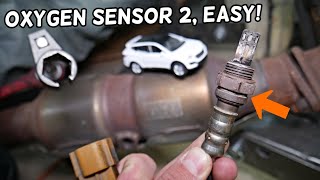
- Downstream Sensor (Bank 1, Sensor 2): This is located after the catalytic converter. Its job is to monitor the converter's efficiency by checking the oxygen content of the exhaust after it has been treated. A failure here often points to a problem with the catalytic converter itself.
A Note on Santa Fe Sport Engine Issues
The 2013-2018 Santa Fe Sport models with the 2.4L and 2.0L Turbo Theta II engines have been subject to recalls and warranty extensions for engine-related problems, including premature bearing wear and engine seizure. While there are no direct recalls for the oxygen sensors, a failing engine can contaminate them with oil or coolant, causing them to fail. A catastrophic engine failure can also send metal debris into the exhaust, damaging the expensive catalytic converter and the O2 sensors. If you have an O2 sensor code, especially a P0420 (Catalyst Efficiency), it is wise to check your engine's oil level and service history.
How to Choose the Right Aftermarket Oxygen Sensor

When it comes to engine sensors for your Hyundai, brand matters. Using a low-quality sensor can cause persistent check engine lights, poor performance, and bad fuel economy. Here’s a breakdown of available brands.
Tier 1: OEM-Equivalent Brands
These brands are known original equipment (OE) suppliers for Hyundai/Kia or have a top-tier reputation for compatibility and quality. They are the safest choice for a direct, trouble-free replacement.
- Denso: A major OE supplier for many Asian vehicles. Denso sensors are widely considered a top choice that matches original performance.
- NGK (NTK): NTK is the sensor division of NGK. Like Denso, they are a highly respected OE supplier known for quality and longevity.
- Mando: Mando is a well-known original equipment supplier for many parts on Hyundai and Kia vehicles. Choosing a Mando sensor is often equivalent to buying the genuine dealer part.
Tier 2: Reputable Aftermarket Brands
These brands are well-regarded in the aftermarket and offer a good balance of quality and price.
- Bosch: A huge name in automotive parts with a reputation for quality. However, some mechanics and DIYers prefer to stick with the original equipment brand (Denso, NGK, or Mando) for Asian vehicles to ensure perfect compatibility.
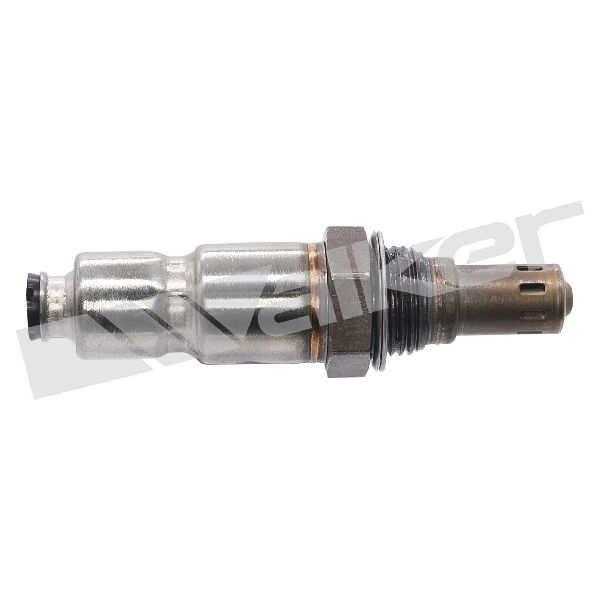
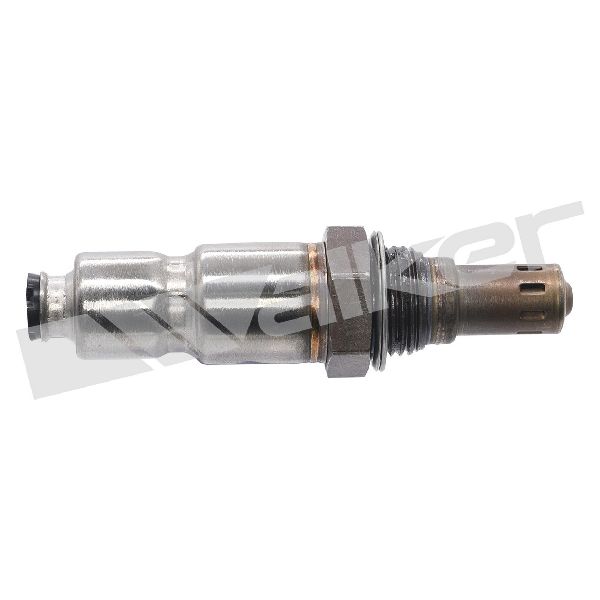
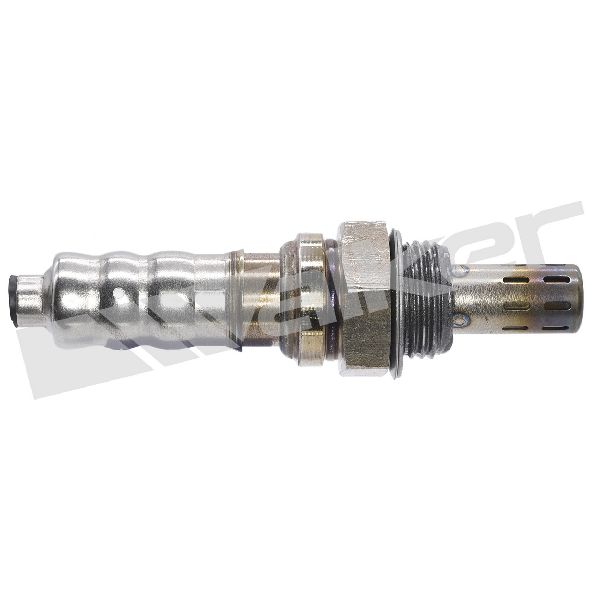
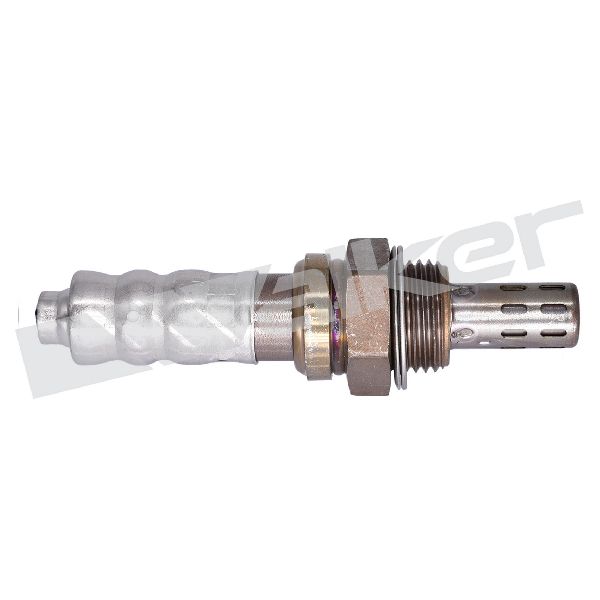
- Walker Products: A solid aftermarket brand that is known to sometimes use sensor components from OE manufacturers like Denso in their assemblies.
Tier 3: Value Brands
These brands provide a functional replacement at a lower cost, suitable for budget-conscious repairs.
- DriveWire: A budget-friendly option for basic repairs.
- Encore Automotive: Another value-focused brand offering affordable replacements.
Cost of Replacing a Hyundai Santa Fe Sport Oxygen Sensor
| Item | Estimated Cost |
|---|---|
| New Aftermarket Oxygen Sensor | $55 - $282 |
| Shop Labor | $77 - $113 |
| Total Estimated Cost (Aftermarket) | $132 - $395 |
| New OEM Oxygen Sensor (Part Only) | $297 - $383 |
Cost ranges are approximate and can vary by sensor location (upstream vs. downstream) and geographic area.
Frequently Asked Questions


What are the signs of a bad oxygen sensor?
The most common sign is a Check Engine Light. Other symptoms include poor gas mileage, a rough or shaky idle, a rotten egg or sulfur smell from the exhaust, and failing an emissions test.
Can I replace an oxygen sensor myself?
Yes, this is a DIY-friendly job for many people. It usually involves unplugging an electrical connector and unscrewing the old sensor from the exhaust pipe. However, the sensor can be very tight or rusted in place. You will likely need a special oxygen sensor socket that allows the wire to pass through it. Soaking the sensor with penetrating oil beforehand can help.
How many oxygen sensors does my Santa Fe Sport have?
Your vehicle has at least two sensors: one upstream (before the catalytic converter) and one downstream (after the catalytic converter). Some V6 models (not the Sport) can have up to four. It is critical to diagnose the correct failing sensor before ordering a replacement.
My mechanic found code P0420. Is that the oxygen sensor?
Code P0420 means "Catalyst System Efficiency Below Threshold." This code is set when the downstream oxygen sensor detects that the catalytic converter is not working correctly. While a faulty downstream sensor *can* cause this code, it more often means the catalytic converter itself is failing. This can be a very expensive repair, so proper diagnosis is key.
Helpful Videos
Technical Specifications
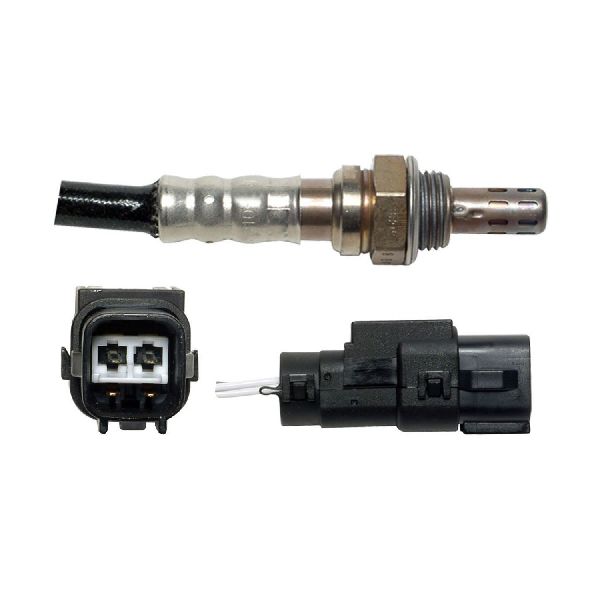
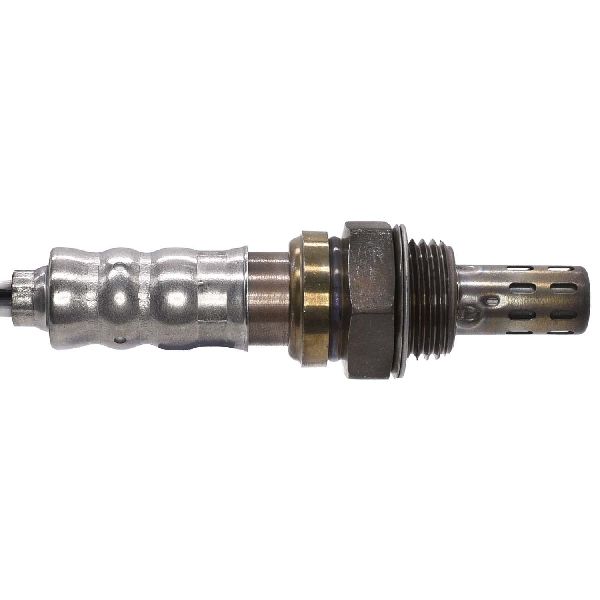
Your Santa Fe Sport uses a heated, 4-wire oxygen sensor. The upstream sensor is a wideband air-fuel ratio type, while the downstream is a traditional zirconia type. It is critical to order the correct part for your specific engine (2.4L or 2.0L Turbo) and sensor location (upstream or downstream), as they are not interchangeable.
We Have This Part in Stock

The information in this article is provided for general reference and educational purposes only. Vehicle specifications, procedures, and part compatibility can vary by production date, trim level, and region. Always consult your vehicle's factory service manual and verify part numbers before purchasing or performing repairs. Safety-critical components such as airbags, seat belts, and braking systems should be installed by a qualified professional.
- Hyundai Santa Fe Sport: