

Ford Ranger (2013-2018) Engine Crankshaft Position Sensor: A Complete Guide
Experiencing starting issues or stalling with your Ranger? Your crankshaft position sensor might be the culprit.
- A failing crankshaft sensor can cause a no-start condition, sudden stalling, or a rough running engine.
- Common trouble codes are P0335 and P0336.
- On 2.2L and 3.2L diesel Rangers, the sensor is located near the transmission and can be difficult to access.
- Choose a quality aftermarket brand like Standard Ignition or Walker Products for a reliable repair without the OEM price.
Is Your Ranger's Crankshaft Sensor Failing?

A bad crankshaft position sensor can cause problems that range from annoying to leaving you stranded. Because it's so important for engine timing, a failure can mimic other issues, but there are several common signs to watch for in your 2013-2018 Ford Ranger.
Top 5 Failure Symptoms
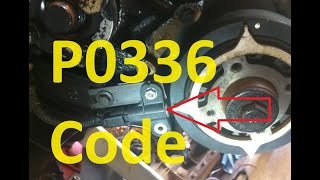
- Check Engine Light: This is often the first sign. The truck's computer detects an incorrect or missing signal from the sensor and triggers the light. A code scan will usually show codes like P0335 or P0336. 🎬 Learn more about diagnosing and fixing the P0336 trouble code.
- Engine Won't Start: If the sensor has completely failed, your engine will crank but won't start. The ECU doesn't have the crankshaft position data it needs to initiate spark and fuel.
- Intermittent Stalling: The engine may suddenly shut off while you're driving, which can be dangerous. This often happens as the sensor gets hot and its internal electronics begin to fail.
- Rough Idling and Misfires: With incorrect timing information, the engine can run rough, vibrate, or misfire. You might feel a noticeable shake when stopped at a light.
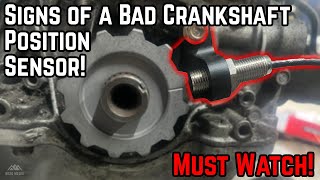
- Poor Acceleration and Reduced Power: Your Ranger might feel sluggish or hesitate when you press the gas pedal. 🎬 Watch a breakdown of common bad crankshaft position sensor symptoms. Incorrect timing from a faulty sensor leads to inefficient engine performance.
Don't Ignore a Failing Sensor
Continuing to drive with a bad crankshaft sensor can lead to sudden engine stalling, which is a serious safety risk, especially in traffic. It can also lead to poor fuel economy and potentially damage other components like the catalytic converter over time.
Choosing the Right Aftermarket Sensor

For your 2013-2018 Ranger, you have options when it comes to replacing the crankshaft position sensor. While an OEM part from Ford is always a safe bet, quality aftermarket parts can offer reliable performance at a better price. The key is choosing a reputable brand.
OEM vs. Aftermarket Quality:
An OEM sensor is what your truck was built with. Aftermarket sensors are made by other companies. For a critical electronic part like this, quality varies. Economy brands might save you money upfront but can fail prematurely. Sticking with well-known aftermarket brands that specialize in engine management components is a smart move. Brands like Standard Ignition and Walker Products are established names in the industry.
Brand Tiers for Your Ranger:
- Standard Ignition (Standard): Often considered a top-tier aftermarket brand, Standard Motor Products (SMP) has a long history of making quality electronic parts. They are known for producing parts that meet or exceed OE specifications, and sometimes even supply the original parts to automakers. Many professional mechanics use SMP parts with confidence.
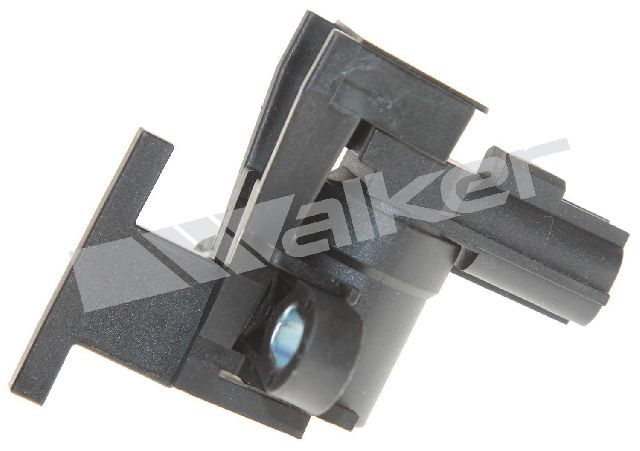
- Walker Products: Walker is another established brand that produces a wide range of engine sensors. They engineer their parts using quality materials to ensure proper fit and function. While they offer a more affordable price point, they are a reliable choice for a daily driver.
Pro Tip: Check the Reluctor Wheel
The crankshaft sensor works by reading a toothed wheel called a reluctor ring. During other repairs, like a transmission or torque converter replacement, this ring can sometimes get bent. A bent tooth can cause the same symptoms as a bad sensor. If you've recently had major work done, it's worth inspecting the reluctor ring for damage before replacing the sensor.
Cost of Replacing a Crankshaft Position Sensor
The cost can vary depending on the part you choose and who does the work. The sensor itself is relatively inexpensive, but labor can add up if the sensor is difficult to access.
| Part/Service | Estimated Cost |
|---|---|
| New OEM Ford Part | $70 - $120 |
| New Aftermarket Part | $31.90 - $72.71 |
| Shop Labor | $112 - $164 |
| Total Professional Replacement | $144 - $237 |
Frequently Asked Questions

Where is the crankshaft position sensor located on a 2013-2018 Ford Ranger?
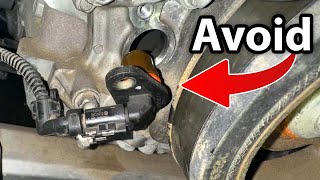
On the 2.2L and 3.2L diesel engines common in this generation, the sensor is typically located at the rear of the engine, near the transmission bell housing, where it reads the flywheel. Access can be difficult and may require removing other components like a protective cover or even the catalytic converter.
Can I replace the crankshaft sensor myself?
For an experienced DIY mechanic, this is a feasible job. However, due to its location, it can be challenging. It may require raising the vehicle securely and removing exhaust components to gain access. If you are not comfortable working in tight spaces or under your vehicle, it's best to leave this job to a professional.
🎬 See a step-by-step DIY replacement for the Ford Ranger 3.2 Diesel.Are there any recalls for this part on my Ranger?
Our search found no specific recalls or widespread Technical Service Bulletins (TSBs) for the crankshaft position sensor itself on the 2013-2018 Ford Ranger T6 models. However, always check with a dealership using your vehicle's VIN for the most up-to-date information.
Do I need to do a 'relearn' procedure after replacing the sensor?
Some vehicles require a 'crankshaft position sensor relearn' procedure after replacement so the ECU can calibrate to the new sensor. While not always required, if the engine runs poorly after replacement, this procedure may be necessary and can be done with a capable OBD2 scan tool.
Helpful Videos
Technical Specifications
OEM Part Numbers: BK21-6C315-AA BK21-6C315-AC 1717564 1744454
This is a 3-pin magnetic or Hall-effect sensor that provides a digital square wave signal to the ECU corresponding to crankshaft rotation.
We Have This Part in Stock


The information in this article is provided for general reference and educational purposes only. Vehicle specifications, procedures, and part compatibility can vary by production date, trim level, and region. Always consult your vehicle's factory service manual and verify part numbers before purchasing or performing repairs. Safety-critical components such as airbags, seat belts, and braking systems should be installed by a qualified professional.
- Ford Ranger: