

Ford Focus Oxygen Sensor Guide (2013-2018): Symptoms, Brands, and Replacement
Is a bad oxygen sensor causing your 2013-2018 Ford Focus to run poorly and get bad gas mileage?
- A bad oxygen sensor will cause a check engine light, poor gas mileage, and rough running.
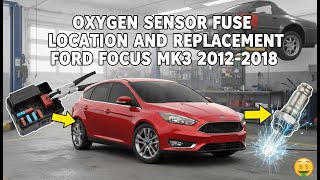
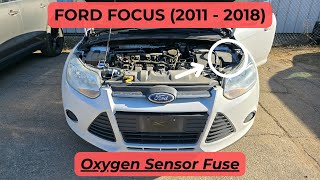
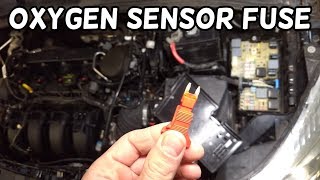
- Before replacing the sensor, check fuse F32 under the hood to see if it has blown.
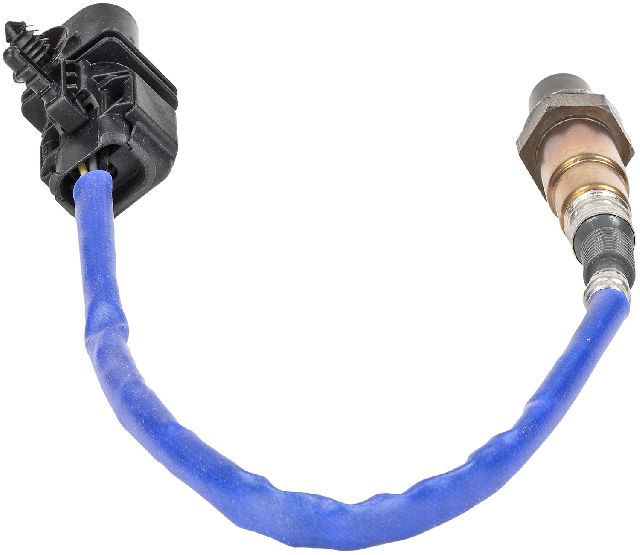
- For best results, use a direct-fit sensor from a quality brand like Bosch, Denso, or Motorcraft.
- You can replace the sensor yourself in about an hour with a special O2 sensor socket.
Is Your Check Engine Light On? It Could Be an O2 Sensor

If your 2013-2018 Ford Focus has its check engine light on, a faulty oxygen sensor is a common cause. These sensors are a normal wear-and-tear part and usually need replacement between 60,000 and 90,000 miles. Ignoring a bad O2 sensor can lead to bigger problems, like a damaged catalytic converter, which is a much more expensive repair.
Symptoms of a Failing Oxygen Sensor

Besides the check engine light, here are other signs that an O2 sensor is going bad:
- Poor Fuel Economy: You'll notice you're filling up the gas tank more often. A bad sensor can't provide the right data, causing the engine to use more fuel than needed.
- Rough Idle or Misfires: The engine might run rough, shake, or misfire when you're stopped. This is because the air-fuel mixture is off balance.
- Sluggish Performance: Your Focus might feel slow or hesitate when you accelerate.
- Bad Smell from Exhaust: You might smell rotten eggs or raw gasoline from the tailpipe. This is a sign of unburned fuel in the exhaust.
- Failed Emissions Test: A bad O2 sensor is a common reason for failing an emissions test.
Known Issues: Check the Fuse First!
Before you spend money on a new sensor, check fuse F32 (a 10A fuse) 🎬 Watch: How to find and check your O2 sensor fuse in the under-hood fuse box. Sometimes, a simple blown fuse can cause O2 sensor error codes (like P0030, P0036, P0050, or P0056) and symptoms. Replacing a fuse is much cheaper and easier than replacing a sensor.
Choosing the Right Aftermarket Oxygen Sensor

You don't have to buy the expensive OEM part from the dealer. Aftermarket brands offer a good balance of quality and price. Here’s a breakdown of popular choices for your Focus:
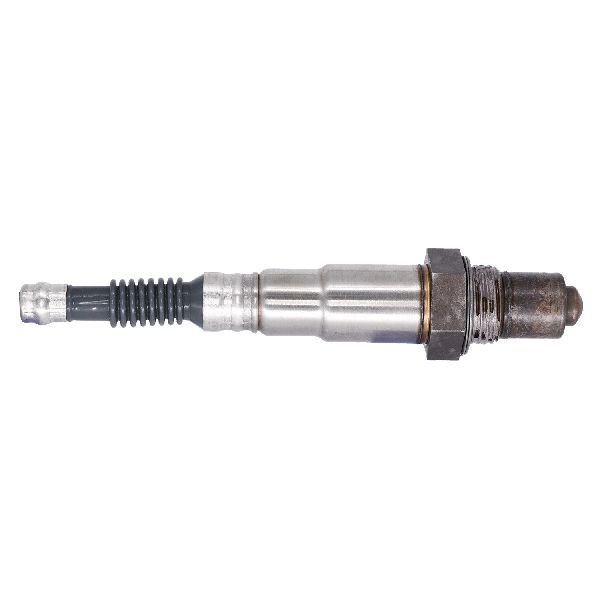
- Premium Brands (Bosch, Denso, NGK): These brands are often the original equipment manufacturers for Ford and other carmakers. They are known for their reliability and are a top choice for a direct-fit replacement. Many Focus owners on forums recommend sticking with Bosch or Denso to avoid issues.
- OEM-Equivalent (Motorcraft): Motorcraft is Ford's own parts brand. It's the same quality as the part your car came with from the factory, but you can often find it for less than at the dealership.
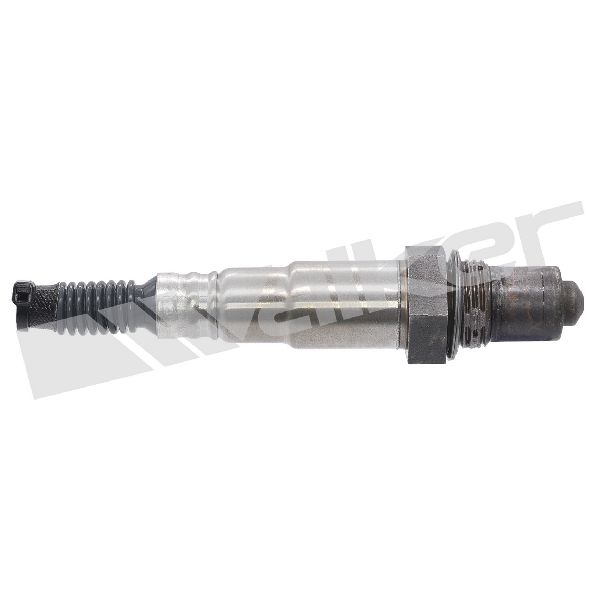
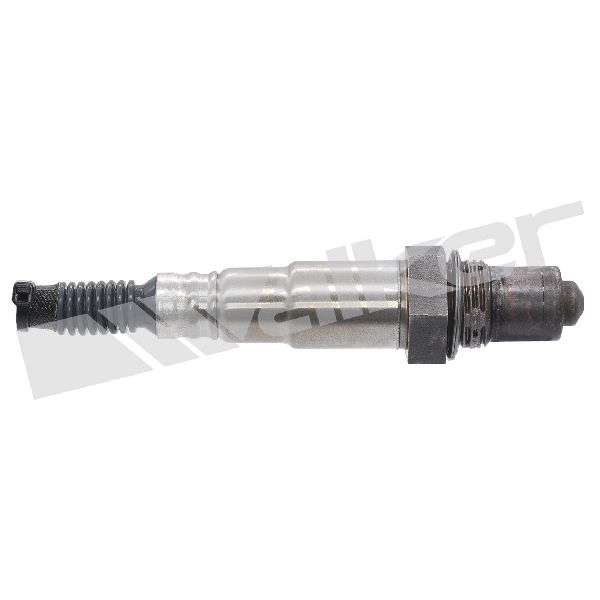
- Standard Aftermarket (Walker Products, DriveWire): These brands provide a more budget-friendly option. They are designed to meet or exceed original specifications and can be a good value, though some mechanics prefer the proven track record of premium brands.
Upstream vs. Downstream Sensors
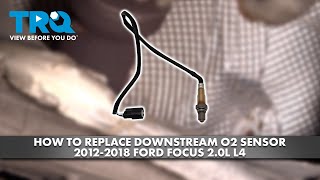
Your Focus has two main O2 sensors. The upstream sensor (also called Bank 1, Sensor 1) measures the exhaust gases coming directly from the engine. The downstream sensor (Bank 1, Sensor 2) measures the gases after they pass through the catalytic converter to make sure it's working. They are different parts, so make sure you order the correct one for your needs. A code scanner can tell you which sensor is faulty.
Cost of Replacing an Oxygen Sensor on a 2013-2018 Ford Focus
| Part/Service | Estimated Cost |
|---|---|
| New Aftermarket Oxygen Sensor | $53 - $128 |
| New OEM (Motorcraft) Oxygen Sensor | $75 - $150+ |
| Shop Labor | $75 - $150 |
| Total Professional Replacement (Aftermarket) | $128 - $278 |
Frequently Asked Questions

Can I replace the oxygen sensor myself?
Yes, this is a DIY-friendly job for many people. The sensors are located on the exhaust. You will need a special oxygen sensor socket, a ratchet, and possibly some penetrating oil if the old sensor is rusted in place. The job typically takes about 30-60 minutes.
Which sensor do I need, upstream or downstream?
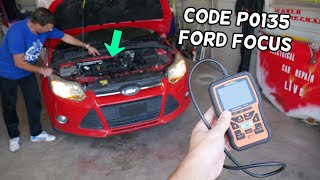
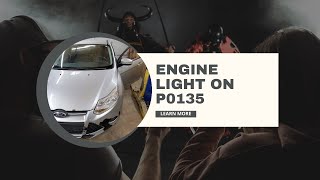
You need to know which sensor has failed. The best way is to use an OBD-II scanner to read the trouble code. Codes like P0135 point to the upstream sensor, 🎬 See how to diagnose and fix an upstream sensor code while codes related to catalytic converter efficiency (like P0420) might be caused by the downstream sensor. The upstream sensor is located on the exhaust manifold before the catalytic converter, and the downstream sensor is located after it.
🎬 Watch this step-by-step downstream O2 sensor replacement guideAre there any recalls for the oxygen sensor on my Focus?
There are no specific recalls for the oxygen sensors on the 2013-2018 Ford Focus. However, a recall for the canister purge valve (Recall 18S32) can cause symptoms like stalling and an illuminated check engine light, which could be confused with an O2 sensor problem. It's always a good idea to check if your vehicle has any open recalls.
Do I need to disconnect the battery after replacing the sensor?
After replacing the sensor, the check engine light may not turn off immediately. You can either wait for the car's computer to reset itself after a few driving cycles, or you can clear the code with an OBD-II scanner. Disconnecting the battery for about 15 minutes will also reset the computer and clear the light.
Helpful Videos
Technical Specifications
OEM Part Numbers: CV6Z-9G444-A DY-1179
The 2013-2018 Ford Focus with the 2.0L non-turbo engine uses two oxygen sensors: an upstream wideband sensor (also called an air/fuel ratio sensor) and a downstream switching-type sensor. A special 7/8" (22mm) socket with a slit for the wire is needed for removal and installation.
We Have This Part in Stock



The information in this article is provided for general reference and educational purposes only. Vehicle specifications, procedures, and part compatibility can vary by production date, trim level, and region. Always consult your vehicle's factory service manual and verify part numbers before purchasing or performing repairs. Safety-critical components such as airbags, seat belts, and braking systems should be installed by a qualified professional.
- Ford Focus: