

2013-2018 Ford Focus Horn Diagnosis and Replacement Guide
A silent or weak horn is a safety issue; this guide covers the common causes and solutions for your Focus.
- Always check the 15A fuse (F20) and the horn relay (R2) in the engine fuse box before replacing the horn.
- A common point of failure is the electrical connector at the horn, which can corrode due to its low mounting position.
- Replacing the horn is a feasible DIY job that requires removing the lower splash shield, not the entire front bumper.
- There are no active recalls or TSBs for horn failure on this Ford Focus model.
Is Your Ford Focus Horn Not Working?


A common issue for 2013-2018 Ford Focus owners is a horn that suddenly stops working. The cause can range from a simple fuse to a failed horn assembly. Before assuming the horn itself is broken, it's important to follow a specific diagnostic order to avoid replacing parts you don't need.
Start with the Easiest Fixes
Always check the fuse and relay before buying a new horn. Many horn problems are solved this way for just a few dollars. If you hear a clicking sound from the engine bay when you press the horn, the problem is very likely not the fuse, relay, or steering wheel switch.
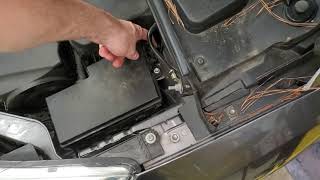
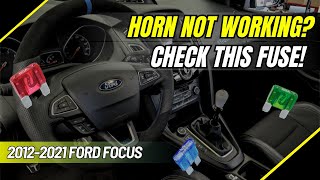
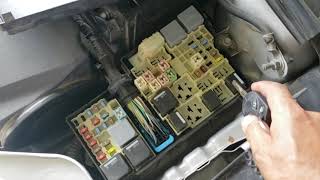
- Check the Fuse: Locate the fuse box in the engine compartment. The horn fuse is in position F20, and it is a 15-amp fuse. 🎬 Watch: Locate your horn fuse and relay in the engine bay.
- Check the Relay: The horn relay is in the same fuse box at position R2. You can test it by swapping it with an identical relay from a nearby slot (like the rear wiper relay). If the horn works after the swap, you just need a new relay.
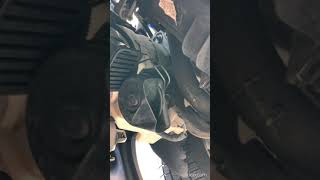
- Inspect the Connector: The horn is located low on the passenger side, making its electrical connector prone to corrosion from water and road grime. Sometimes, simply unplugging it, cleaning the contacts, and plugging it back in can restore function. 🎬 See this quick video on cleaning the horn connector contacts.
Known Issues, Recalls, and Service Bulletins
There are no specific recalls or Technical Service Bulletins (TSBs) from Ford or the NHTSA related to horn failure for the 2013-2018 Ford Focus. While other recalls exist for this vehicle generation, the horn assembly is not part of any official campaign. Failures are typically due to normal wear, corrosion, or electrical faults in the circuit.
Choosing a New Aftermarket Horn

If you've confirmed the fuse, relay, and wiring are good, the horn assembly itself has likely failed. For a component like a horn, a new aftermarket part provides the same function as an OEM part at a lower cost. Since the horn is a straightforward electrical part, quality aftermarket brands offer a reliable and budget-friendly solution without sacrificing safety or performance. The sound and volume will be comparable to the original factory horn.
Ford Focus Horn Replacement Cost
The cost to replace the horn can vary significantly depending on whether you do it yourself or use a repair shop. Some shops may quote a high price, claiming the entire front bumper must be removed, which is often not necessary. The job can typically be done by removing only the lower engine splash shield.
| Part Type | Estimated Cost |
|---|---|
| New OEM Horn Assembly | $30 - $65 |
| New Aftermarket Horn Assembly | $44.91 |
| Used OEM Horn Assembly | $20 - $45 |
| Shop Labor | $100 - $225 |
Frequently Asked Questions (FAQ)

Where is the horn located on a 2013-2018 Ford Focus?
The horn assembly is located behind the front bumper on the passenger side, in front of the wheel well. You can access it by jacking up the vehicle and removing the plastic engine splash shield from underneath.
Is it hard to replace the Ford Focus horn myself?
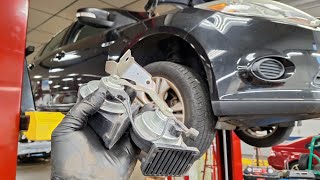
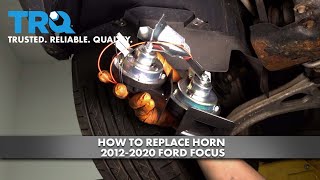
No, it is a relatively easy DIY job for someone with basic tools. It involves safely jacking up the car, removing the splash shield with a Torx driver, unplugging the electrical connector, and removing one 10mm bolt that holds the horn bracket. The entire process should take about an hour.
🎬 Follow this step-by-step guide to replace the horn assembly yourself.My horn works sometimes, especially in different weather. What's the cause?
Intermittent horn operation is often caused by a poor electrical connection. The most likely culprit is corrosion on the horn's connector plug. In some cases, it could also indicate a failing clock spring in the steering column, which is a more complex repair.
Will an aftermarket horn sound different from the original?
A direct-fit aftermarket horn is designed to produce a sound and volume level that is very similar to the original factory part. The 2013-2018 Focus uses a dual-note horn, and quality replacements will replicate this tone.
Helpful Videos

Technical Specifications
OEM Part Numbers: CV6Z-13832-C CM5Z-13832-A F1EZ-13832-A
Dual Note Horn Assembly

The information in this article is provided for general reference and educational purposes only. Vehicle specifications, procedures, and part compatibility can vary by production date, trim level, and region. Always consult your vehicle's factory service manual and verify part numbers before purchasing or performing repairs. Safety-critical components such as airbags, seat belts, and braking systems should be installed by a qualified professional.
- Ford Focus: