

Engine Camshaft Position Sensor Guide for the 2013-2018 Ford Focus
Learn why this small sensor can cause big problems like stalling or a no-start condition in your Focus.
- Your 2013-2018 Focus 2.0L has two camshaft position sensors; a failure often triggers codes P0340 or P0344.
- Symptoms include stalling, hard starting, rough idle, and significant power loss.
- For reliability, most owners recommend using OEM (Motorcraft) or premium aftermarket brands like Delphi or NGK.
- Replacement is very easy, requiring only an 8mm socket, and can be done in under 15 minutes.
Symptoms of a Failing Camshaft Position Sensor in a Ford Focus

When a camshaft position sensor starts to fail on your 2013-2018 Focus, the signs can range from annoying to leaving you stranded. Because the sensor's signal can become intermittent or fail completely, symptoms may come and go, especially when the engine warms up.
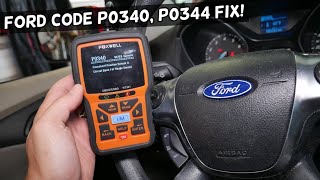
- Check Engine Light: This is often the first sign. You'll likely see trouble codes like P0340 (Camshaft Position Sensor 'A' Circuit) or P0344 (Camshaft Position Sensor 'A' Circuit Intermittent).
- Engine Stalling or Hesitation: The car may stall at stop lights, hesitate when you accelerate, or feel like it has a major loss of power.
- Hard Starting or No-Start: The engine might crank for a long time before starting, or it may not start at all.
- Rough Idle and Poor Fuel Economy: A bad sensor signal can cause the engine to run rough and use more fuel than normal.
Known Issues and Technical Service Bulletins (TSBs)
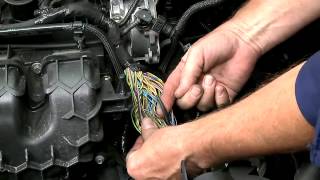
For some 2012-2014 Focus models, Ford issued TSB 18-2062. This bulletin notes that a variety of drivability problems, including those related to camshaft sensor code P0344, could be caused by the engine wiring harness chafing against the intake manifold. Before replacing the sensors, it's wise to inspect the wiring harness near the throttle body for any signs of damage, 🎬 See the official Ford wiring harness inspection and repair as simply replacing the sensor won't fix a wiring issue.
Choosing the Right Aftermarket Camshaft Sensor

When it comes to critical engine sensors, quality matters. While many aftermarket options are available, they generally fall into a few tiers. For a part this important, many experienced owners and mechanics lean towards OEM or premium aftermarket brands to avoid repeat failures.
Pro Tip: Your 2.0L Focus has two camshaft position sensors (Intake and Exhaust). They are often identical parts but are designated as 'A' (Intake) and 'B' (Exhaust) by the computer depending on which circuit throws a code. If one fails, it's good practice to consider replacing both at the same time, especially if they are original and high-mileage.
Brand Quality Tiers
- OEM (Motorcraft): This is the original part your Focus was built with. It offers the highest likelihood of a perfect fit and long-term reliability. Many owners who have tried cheaper alternatives and had them fail quickly end up buying Motorcraft in the end.
- Premium Aftermarket (Delphi, NGK/NTK, Hitachi): These brands are often original equipment suppliers to many car manufacturers. They engineer their parts to meet or exceed OEM specifications and are considered a reliable alternative to the dealer part. Delphi, in particular, is often noted for sharing design elements with factory parts.
- Standard Aftermarket (Dorman, Standard Ignition, Spectra, Walker): These brands offer a balance of affordability and function. Dorman is known for making a wide range of replacement parts, though experiences with their electronic sensors can be mixed. For a critical sensor, while budget-friendly, these may carry a higher risk of premature failure compared to OEM or premium brands.
Estimated Replacement Costs
Replacing a camshaft position sensor is a relatively inexpensive repair. The parts themselves are affordable, and the labor is minimal due to easy access.
| Part/Service | Estimated Cost |
|---|---|
| New OEM (Motorcraft) Sensor | $45 - $65 |
| New Aftermarket Sensor | $24 - $56 |
| Shop Labor | $25 - $50 |
| Total Professional Replacement | $75 - $115 |
Frequently Asked Questions (FAQ)

How many camshaft sensors does my 2013-2018 Focus have?
Most 2.0L engines in this generation of Ford Focus have two camshaft position sensors. One is for the intake camshaft (often referred to as Sensor 'A') and the other is for the exhaust camshaft (Sensor 'B').
Where are the camshaft sensors located?
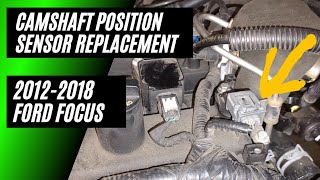
Both sensors are easily accessible on the top of the valve cover, near the oil cap. Each is held in place by a single 8mm bolt, making replacement a very straightforward job.
Can I replace a camshaft position sensor myself?
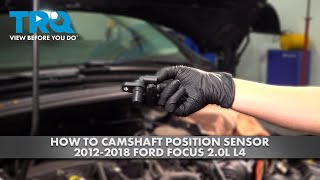
Yes, this is a great DIY job for beginners. The only tools needed are typically an 8mm socket and a ratchet. The process involves disconnecting the electrical connector, removing one bolt, and swapping the old sensor for the new one. It's recommended to apply a little clean engine oil to the new sensor's O-ring before installation.
🎬 Watch: Step-by-step guide to replacing your camshaft sensorIs it okay to use a cheap sensor?
While tempting, very cheap sensors have a higher rate of failure. Some owners report that budget sensors fail quickly or are dead on arrival, causing them to do the job twice. For a critical component that can cause stalling, investing in an OEM or premium aftermarket brand is often worth the extra cost for peace of mind.
What's the difference between a P0340 and P0344 code?
Both codes point to a problem with the camshaft position sensor 'A' (intake) circuit. P0340 indicates a general circuit malfunction, while P0344 specifically points to an intermittent (on-and-off) signal failure. This intermittent failure is often what causes symptoms that come and go.
🎬 Watch: Troubleshooting P0340 and P0344 codes on your FocusHelpful Videos
Technical Specifications
OEM Part Numbers: CM5Z-6B288-A AS7Z-6B288-D
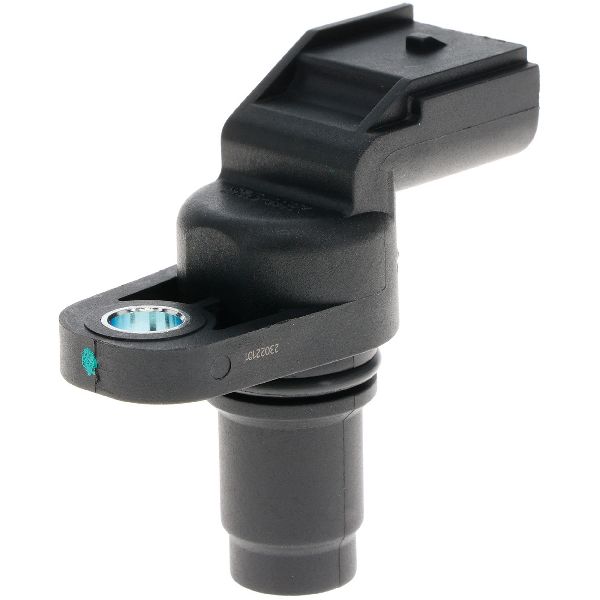
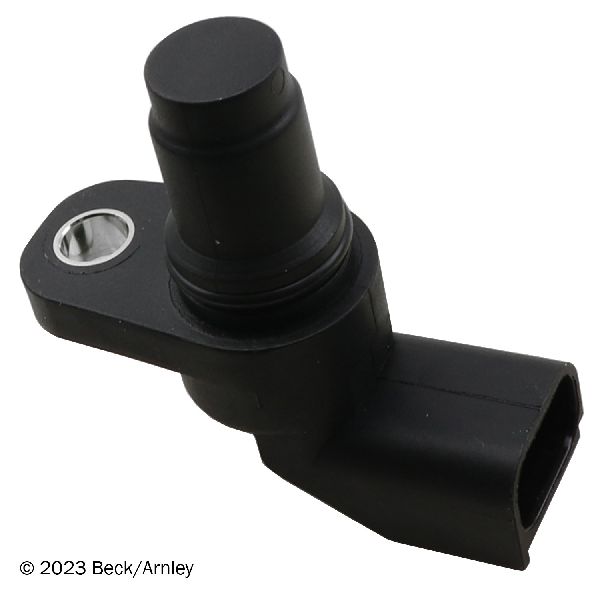
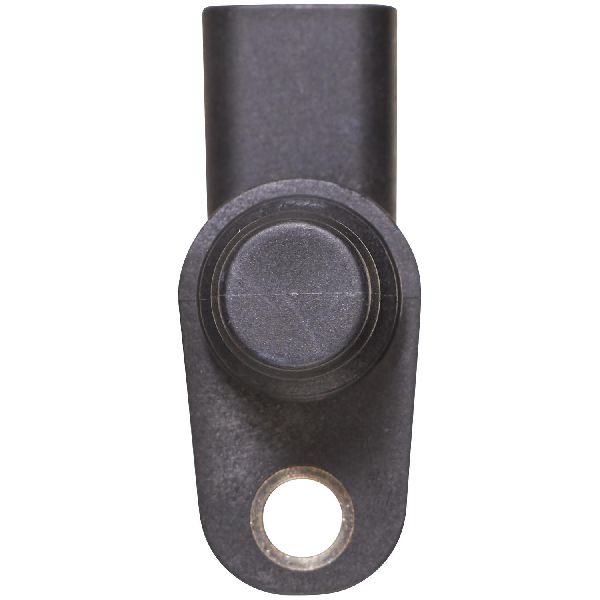
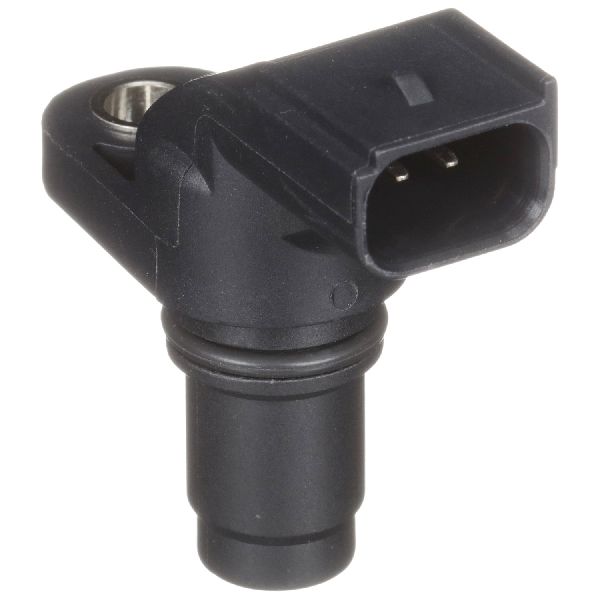
The 2.0L GDI engine in the 2013-2018 Ford Focus uses two camshaft position sensors, one for the intake cam and one for the exhaust cam. They are typically identical parts. The sensor is a Hall-effect type sensor held in place by a single 8mm bolt.
We Have This Part in Stock


The information in this article is provided for general reference and educational purposes only. Vehicle specifications, procedures, and part compatibility can vary by production date, trim level, and region. Always consult your vehicle's factory service manual and verify part numbers before purchasing or performing repairs. Safety-critical components such as airbags, seat belts, and braking systems should be installed by a qualified professional.
- Ford Focus: