

A Ford Focus Owner's Guide to Catalytic Converter Replacement (2013-2018)
If your 2013-2018 Ford Focus has a P0420 check engine light, this guide is for you.
- A P0420 code is the main symptom, but you must fix underlying issues like a bad O2 sensor or faulty canister purge valve (CPV) before replacement.
- The converter for the standard 2.0L engine is an integrated manifold unit and is not interchangeable with the ST model's part.
- Cheap aftermarket converters often fail within a year; mid-tier brands like Dorman or premium brands like MagnaFlow are more reliable long-term choices.
- You must verify if your car needs a Federal (EPA) or California (CARB) compliant part by checking your under-hood emissions sticker.
Is Your Ford Focus Catalytic Converter Failing?

When the catalytic converter on a 2013-2018 Ford Focus starts to go bad, your car will give you clear warning signs. The most common is the check engine light turning on with a P0420 error code, which means the converter's efficiency is too low. You might also notice your car feels sluggish and doesn't accelerate well, especially if the converter is clogged. Other signs include a rattling sound from under the car, a rotten egg smell from the tailpipe, and worse gas mileage than usual.
Don't Replace It Without a Full Diagnosis!
A P0420 code doesn't always mean the converter is bad. A failing catalytic converter is often a symptom of another problem. Engine misfires, bad oxygen sensors, exhaust leaks, or a faulty canister purge valve (CPV) can all destroy a brand new converter. In fact, Ford issued recalls and customer service programs related to a faulty CPV that could damage the converter over time. Always have a mechanic diagnose the root cause before spending money on a new part.
Choosing the Right Aftermarket Converter for Your Focus

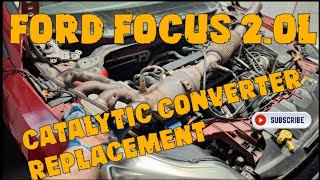
The catalytic converter for the standard 2.0L Focus is a single unit combined with the exhaust manifold. This is different from the part used on the 2.0L Turbo (ST) model. When shopping for a replacement, you'll find OEM (Original Equipment Manufacturer) and various aftermarket brands. OEM parts are expensive but are built to last. Aftermarket parts are much more affordable, but the quality can vary greatly.
Aftermarket Brand Tiers
Not all aftermarket parts are created equal. Here’s a breakdown of the brands available:
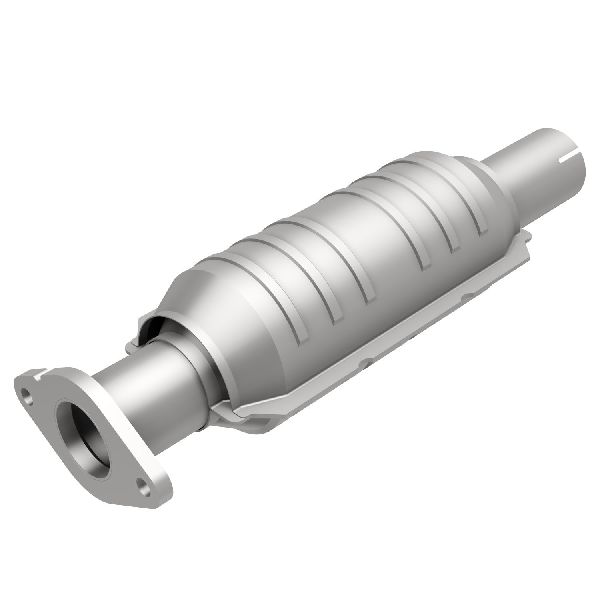
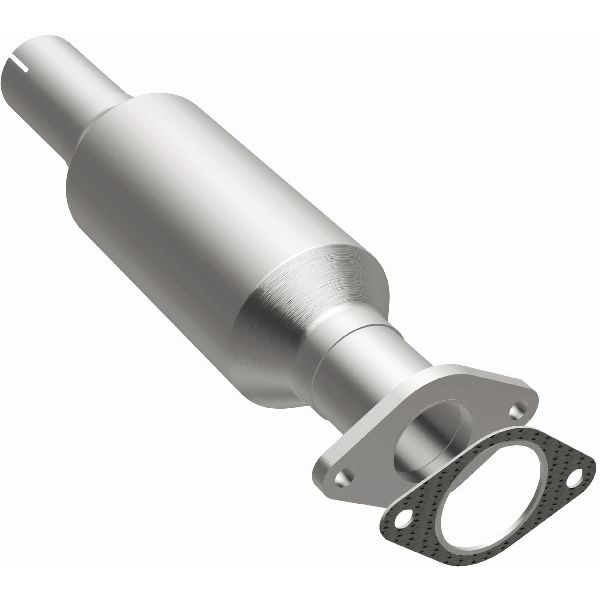
- Premium Aftermarket (MagnaFlow, MagnaFlow Performance Exhaust): Brands like MagnaFlow are well-respected and known for high-quality stainless steel construction that lasts. They are considered a top-tier choice for a reliable, long-term aftermarket replacement and often improve exhaust flow.
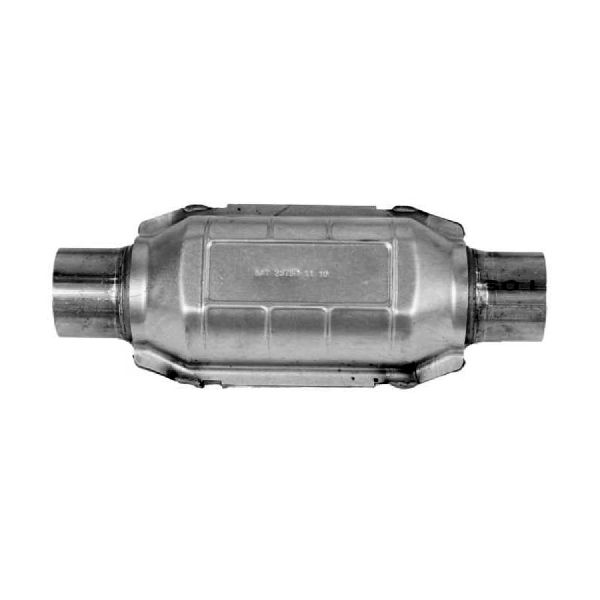
- Standard Aftermarket (Dorman, AP Exhaust): These brands offer a good balance of quality and price. Dorman is known for being widely available and often includes gaskets and hardware, making installation easier. AP Exhaust builds direct-fit converters from stainless steel and offers a solid warranty.
- Economy Aftermarket (Evan Fischer): This is a budget-friendly option. While the price is low, the quality and fit can be inconsistent. Some users report success, but others warn that very cheap converters can fail within a year and cause more problems. An economy part may solve your problem cheaply in the short term, but could cost more later if it fails early.
Before you buy, check the emissions sticker under your car's hood. It will state whether your vehicle was built to Federal (EPA) or California (CARB) standards. You must install a converter that matches your vehicle's requirements and your state's laws. CARB-compliant converters are more expensive due to stricter standards.
How Much Does a Ford Focus Catalytic Converter Replacement Cost?

The total cost depends on the part you choose and shop labor rates. The converter on the 2.0L Focus is part of the manifold, making the job more complex than a simple bolt-in converter.
| Part/Service | Estimated Cost |
|---|---|
| New Aftermarket Part | $133 - $550 |
| New OEM Part | $850 - $1,100 |
| Shop Labor | $175 - $300 |
| Total Professional Replacement (Aftermarket) | $308 - $850 |
| Total Professional Replacement (OEM) | $1,025 - $1,400 |
Cost estimates are for the 2.0L non-turbo engine and do not include taxes, fees, or costs for fixing underlying issues.
Frequently Asked Questions

Can I replace the catalytic converter myself?
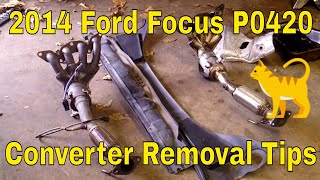
Yes, this is a DIY-feasible job for someone with good mechanical skills and tools. The converter is removed from the top of the engine bay after taking off the cowl panel. However, be prepared for extremely rusty and stubborn bolts, which may need to be cut off. The job can take 3-4 hours.
Why did my original converter fail?
Converters usually fail because of an engine problem. Common causes on the Focus include a faulty canister purge valve (a known recall issue), bad oxygen sensors, engine misfires, or an exhaust leak. If you don't fix the original problem, your new converter will fail too.
Will a cheap aftermarket converter turn off my check engine light?
It might, but often not for long. Very cheap converters use less of the precious metals needed to clean the exhaust. They may work well enough to pass an emissions test once, but often fail within a year, bringing back the P0420 code.
Was there a recall on the 2013-2018 Ford Focus catalytic converter?
While there wasn't a direct recall for all converters, Ford did issue Customer Satisfaction Program 19M01 for some vehicles, which extended the converter warranty to 11 years/120,000 miles due to issues causing the P0420 code. More importantly, there was a major recall for a faulty canister purge valve (CPV) which can cause converter failure.
Helpful Videos


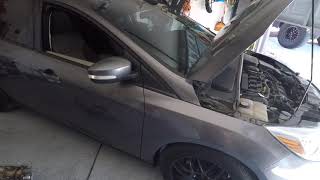
Technical Specifications
For the 2.0L 4-Cylinder non-turbo engine, the catalytic converter is integrated with the exhaust manifold. It features two oxygen sensor ports, one upstream (before the catalyst) and one downstream (after the catalyst).
We Have This Part in Stock
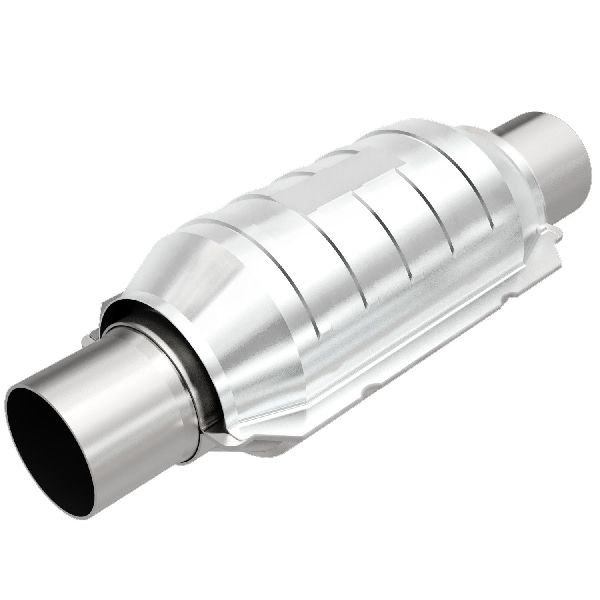
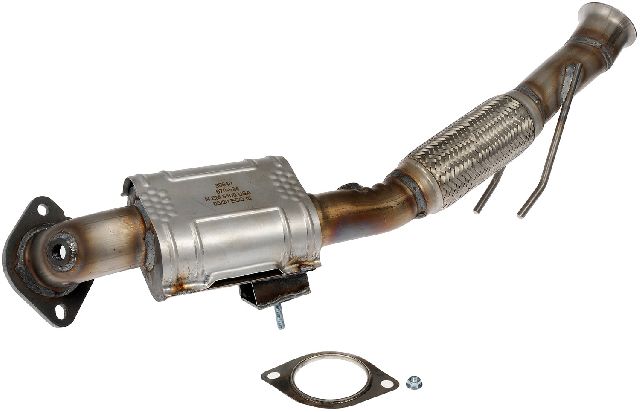
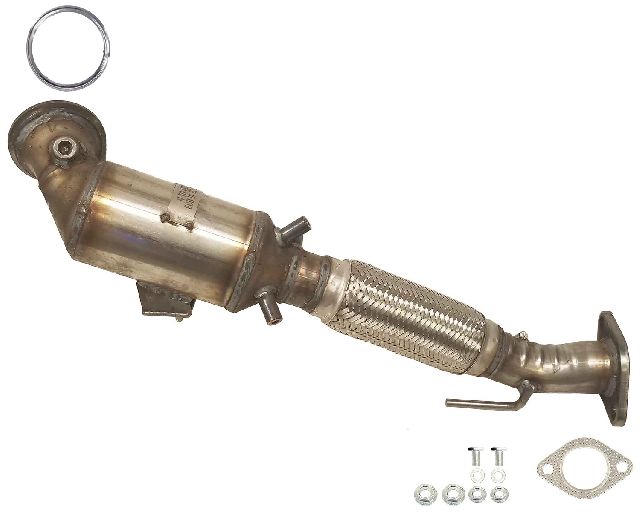

The information in this article is provided for general reference and educational purposes only. Vehicle specifications, procedures, and part compatibility can vary by production date, trim level, and region. Always consult your vehicle's factory service manual and verify part numbers before purchasing or performing repairs. Safety-critical components such as airbags, seat belts, and braking systems should be installed by a qualified professional.
- Ford Focus: