

Jeep Wrangler (2013-2017) Automatic Transmission Mount Replacement Guide
Feeling a clunk or vibration in your Jeep? Your transmission mount might be the culprit.
- The most common failure symptoms are clunking noises when shifting and excessive vibration while driving.
- For longevity and ride quality, the OEM Mopar mount is highly recommended over budget aftermarket options like Anchor, which may fail prematurely.
- Replacement is a feasible DIY task that involves supporting the transmission and removing the crossmember.
- Owners of 2013 models should verify that the transmission cooler line recall (NHTSA #13V234000) has been performed.
Symptoms of a Failing Transmission Mount
A worn-out transmission mount on a Jeep Wrangler JK makes itself known through distinct sounds and feelings. Because this part's job is to hold everything steady, you'll notice when it fails.
- Clunking or Banging Noises: This is the most common sign. You may hear a loud clunk or bang when you shift from Park into Drive or Reverse. The noise can also happen during hard acceleration or braking as the transmission shifts and hits against the frame.
- Excessive Vibration: The rubber in the mount is designed to absorb vibration. When it cracks, collapses, or separates from the metal, those vibrations travel through the Jeep's frame and into the cabin. You might feel this in the floor, your seat, or the steering wheel, and it often gets worse under acceleration.
- Drivetrain Movement: In some cases, you can physically see the engine and transmission assembly move more than it should when shifting gears (with the help of a spotter). This excessive movement is a clear sign the mount is no longer doing its job.
Choosing the Right Aftermarket Mount: OEM vs. Aftermarket
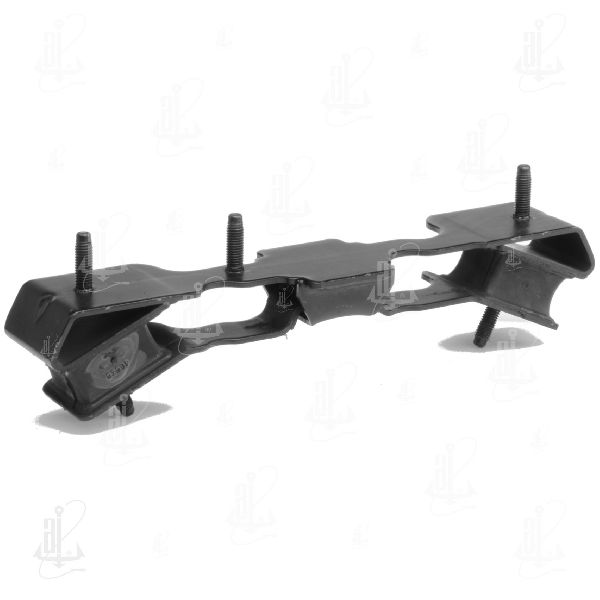
When replacing the transmission mount on your Wrangler, you have a choice between an original Mopar part and an aftermarket brand like Anchor.
| Brand Tier | Our Analysis |
|---|---|
| OEM (Mopar) | The original Mopar mount (Part No. 5147193AB) is widely considered the best option for durability and fit. Forum discussions with experienced Jeep owners show that the OEM part is significantly heavier and made with higher-quality rubber that lasts longer and absorbs vibrations better than cheaper alternatives. While it costs more, it's the recommended choice if you want a fit-and-forget repair that performs like the original. |
| Standard Aftermarket (Anchor) | Aftermarket mounts from brands like Anchor are a budget-friendly option. However, owner feedback is mixed and often negative. Many users report that these mounts are made with harder, less flexible rubber and a less substantial metal frame. This can lead to increased cabin vibrations and a much shorter service life, sometimes failing within months. While it will fit and function initially, it may be a temporary solution. |
Known Issues: Transmission Cooler Line Recall
For 2012-2013 Jeep Wranglers, there is a recall (NHTSA #13V234000) where the power steering line can rub against the transmission oil cooler line, potentially causing a leak. A loss of transmission fluid can lead to transmission failure. While not a defect of the mount itself, it's a critical issue to be aware of for the transmission system in this year range. Check if your vehicle has had this recall service performed.
Replacement Cost
The cost to replace the transmission mount depends on whether you do it yourself or use a professional shop. The part itself is affordable, and labor is straightforward.
| Part or Service | Estimated Cost |
|---|---|
| New OEM (Mopar) Part | $88 - $125 |
| New Aftermarket Part | $72.38 |
| Shop Labor | $85 - $125 |
| Total Professional Job | $157 - $250 |
DIY Replacement Tips
Replacing the transmission mount is a manageable job for a DIY mechanic. The basic steps involve safely supporting the transmission and transfer case with a floor jack and a block of wood. Then, you'll unbolt and remove the transmission crossmember that sits under the mount. With the crossmember out of the way, you can access and replace the mount itself. Always use jack stands for safety and torque all bolts to factory specifications upon reassembly.
Frequently Asked Questions (FAQ)
Can I drive with a bad transmission mount?
You can, but it's not recommended for long. Continuing to drive with a failed mount puts extra stress on your engine mounts, driveshaft U-joints, exhaust system, and various hoses and wires. The excessive movement can cause these other parts to fail, leading to more expensive repairs.
Is replacing a transmission mount a good DIY job?
Yes, for someone with basic tools and mechanical experience. The process is straightforward and doesn't require highly specialized tools, but you must safely support the transmission before removing the crossmember. If you are not comfortable working under your vehicle and supporting heavy components, it's best to leave this job to a professional.
Why does my Jeep vibrate more after installing a new aftermarket mount?
This is a common complaint with budget-friendly aftermarket mounts. They often use a harder rubber compound than the OEM part. While this makes them cheap to produce, it doesn't absorb drivetrain vibrations as effectively, transferring more harshness into the cabin. The original Mopar part uses a softer rubber designed for a smoother ride.
What's the difference between an engine mount and a transmission mount?
They perform a similar function but are in different locations. Your Wrangler has two engine mounts that support the engine on either side, and one transmission mount that supports the rear of the transmission. Together, they hold the entire drivetrain in place. A failure in any of them can cause similar symptoms like clunking and vibration.
Technical Specifications
OEM Part Numbers: 5147193AB 5147193AA
Fits 2012-2018 Jeep Wrangler (JK) models with the 3.6L V6 engine and automatic transmission. The mount consists of a metal housing and a rubber isolator block that bolts to the transmission crossmember.
We Have This Part in Stock

The information in this article is provided for general reference and educational purposes only. Vehicle specifications, procedures, and part compatibility can vary by production date, trim level, and region. Always consult your vehicle's factory service manual and verify part numbers before purchasing or performing repairs. Safety-critical components such as airbags, seat belts, and braking systems should be installed by a qualified professional.
- Jeep Wrangler: