

Ford Explorer Oxygen Sensor Guide (2012-2024): Symptoms, Brands, and Replacement
A complete guide to understanding, diagnosing, and replacing the oxygen sensors on your 2012-2024 Ford Explorer.
- A bad O2 sensor will trigger the Check Engine Light and hurt your fuel economy.
- For best results, choose OEM-quality aftermarket brands like Bosch, Denso, or NGK (NTK) as Fords can be sensitive to sensor quality.
- Most 2012-2024 Explorers have four O2 sensors; identify the correct bank (1 or 2) and position (upstream or downstream) before ordering.
- Replacement is a feasible DIY job, but sensors can be seized in the exhaust and may require a special socket and penetrating oil to remove.
Is Your Ford Explorer's Oxygen Sensor Failing?

A bad oxygen sensor is a common reason for the check engine light to come on in a Ford Explorer. When a sensor fails, the engine's computer gets incorrect information, which can lead to poor engine performance, increased fuel consumption, and higher emissions. Driving for too long with a bad sensor can even damage more expensive parts like the catalytic converter.
Key Symptoms of a Bad O2 Sensor
- Check Engine Light: This is the most common sign. A scanner will often show codes like P0130-P0161, P2195, or P2197.
- Worse Gas Mileage: The engine computer may default to a rich fuel mixture, causing you to use more gas.
- Rough Idle or Misfires: An incorrect air-fuel balance can make the engine run poorly, especially when idling.
- Sluggish Acceleration: Your Explorer might feel less powerful because the engine isn't running efficiently.
- Failed Emissions Test: The vehicle will not pass an emissions inspection with a faulty O2 sensor.
- Rotten Egg Smell: In some cases, a bad sensor can lead to a failing catalytic converter, which produces a sulfur-like smell.
Choosing the Right Aftermarket O2 Sensor

While Motorcraft is the original equipment (OE) manufacturer for Ford, several high-quality aftermarket brands offer reliable performance, often at a better price. Ford vehicles can be sensitive to electronic parts, so choosing a reputable brand is important to avoid recurring check engine lights.
Brand Quality Tiers for Ford Explorer
- Top Tier (OEM-Quality): Bosch, Denso, and NGK (NTK) are often the original suppliers to Ford and other automakers. They are known for their reliability and precise calibration, making them a safe bet for a direct-fit replacement that performs like the original.
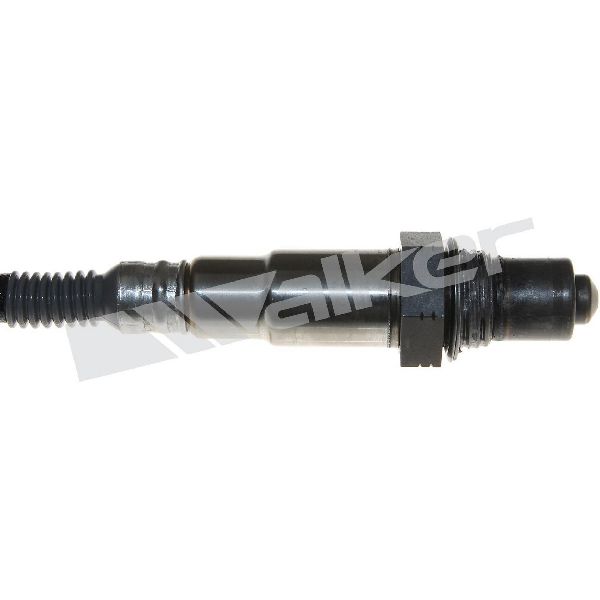
- Mid-Tier (Reliable Aftermarket): Delphi and Walker Products are well-regarded aftermarket brands that balance quality and affordability. They are a popular choice for DIYers and professional mechanics.
- Economy Tier (Budget-Friendly): Brands like DriveWire and Spectra offer a low-cost alternative. While functional, some owner experiences suggest they may not have the same longevity or precise calibration as higher-tier brands, sometimes leading to issues.
How Many O2 Sensors Does My Explorer Have?

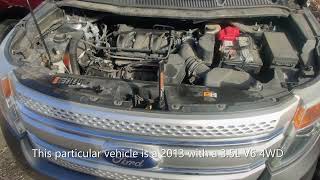
Most Ford Explorers from 2012-2024 with a V6 engine (like the 3.5L) have four oxygen sensors. There are two upstream (before the catalytic converters) and two downstream (after the converters). Four-cylinder engines, like the 2.3L EcoBoost, typically also have four sensors—one upstream and one downstream for each of the two catalytic converters integrated into the exhaust system. Always confirm the exact number for your specific year and engine configuration.
🎬 Watch: See exactly where all four sensors are located.Cost of Replacing a Ford Explorer Oxygen Sensor
| Part/Service | Estimated Cost |
|---|---|
| New OEM (Motorcraft) | $70 - $180 per sensor |
| New Aftermarket | $26.77 - $243.81 per sensor |
| Shop Labor | $100 - $200 per sensor |
Cost estimates are based on market research and may vary by location and vehicle specifics.
Frequently Asked Questions

What's the difference between an upstream and a downstream sensor?
The upstream sensor (also called Sensor 1) is located before the catalytic converter and is used to control the engine's air-fuel mixture. The downstream sensor (Sensor 2) is located after the catalytic converter and its main job is to monitor the converter's health. Upstream sensor failures have a more direct impact on engine performance and fuel economy.
🎬 See this complete guide to replacing your upstream sensors.What are Bank 1 and Bank 2?
On a V-shaped engine like the Explorer's V6, "Bank 1" refers to the side of the engine that contains cylinder #1. For Ford Explorers, Bank 1 is typically the side closer to the firewall (the back of the engine bay). "Bank 2" is the opposite side, closer to the radiator. This is important for identifying the correct sensor when you have a diagnostic code.
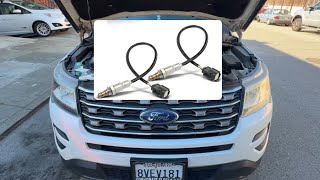
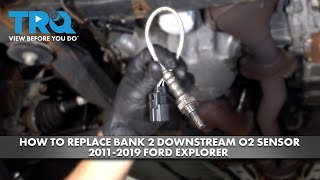
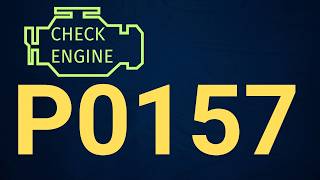
🎬 Watch: How to fix a Bank 2 Sensor 2 code.Can I replace just one oxygen sensor?
Yes, you can replace only the failed sensor. However, oxygen sensors age over time. If your Explorer has high mileage (over 80,000-100,000 miles), it's often recommended to replace them in pairs (e.g., both upstream sensors) or all at once to ensure balanced and accurate readings across the system.
Can I clean an O2 sensor instead of replacing it?
While some people attempt to clean O2 sensors, it is generally not recommended and often ineffective. The internal sensing elements can become contaminated or simply wear out, and cleaning the exterior won't fix this. Replacement is the only reliable solution for a failed sensor.
Helpful Videos
Technical Specifications
OEM Part Numbers: DY1178 DY1173 DY1153 DY835
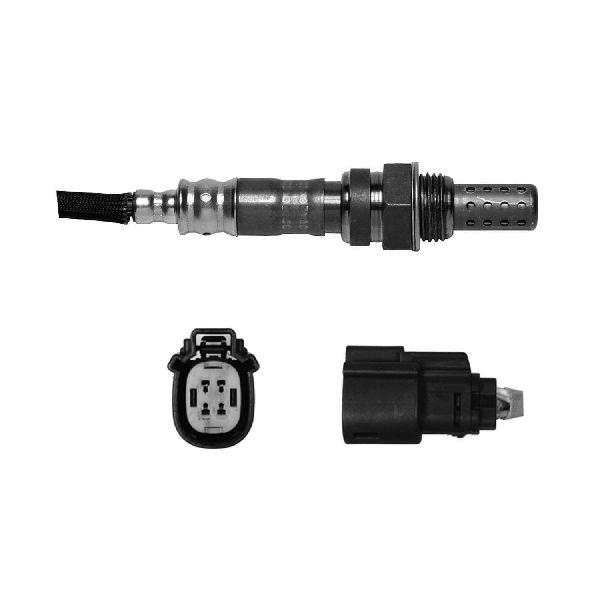
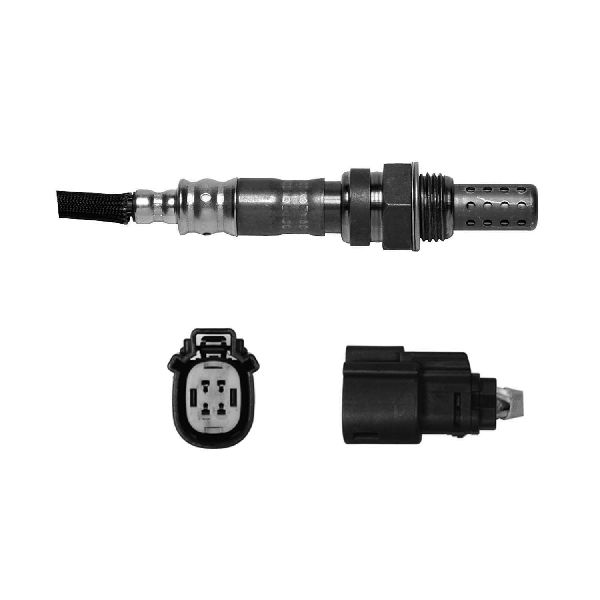
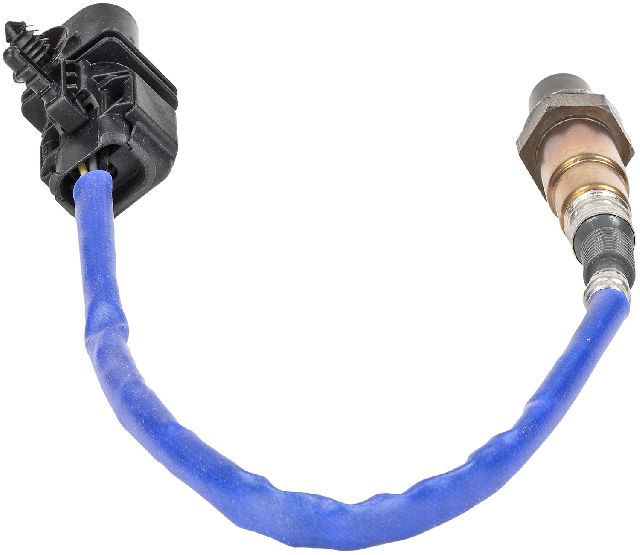
Most sensors for the 2012-2024 Explorer are heated, 4-wire or 5-wire types with vehicle-specific connectors. Upstream and downstream sensors often have different connectors and wire lengths, so ensure you order the correct part for the specific location.
We Have This Part in Stock



The information in this article is provided for general reference and educational purposes only. Vehicle specifications, procedures, and part compatibility can vary by production date, trim level, and region. Always consult your vehicle's factory service manual and verify part numbers before purchasing or performing repairs. Safety-critical components such as airbags, seat belts, and braking systems should be installed by a qualified professional.
- Ford Explorer: