

Ford Explorer Catalytic Converter Guide for 2012-2024 Models
Everything you need to know about replacing the catalytic converter on your 2012-2024 Ford Explorer.
- Check for extended warranties like Ford's Customer Satisfaction Program 24M01 for 2020 models or 19M01 for Police Interceptors before buying a part.
- Identify which converter has failed; V6 models have multiple converters (left, right, and sometimes rear), so proper diagnosis is key.
- Always fix the underlying engine issue (like misfires or oil leaks) that caused the original converter to fail to avoid damaging the new one.
- You must buy a converter that matches your state's emissions laws (CARB or Federal/EPA) to be street legal and pass inspection.
Is your Ford Explorer's Catalytic Converter Failing?

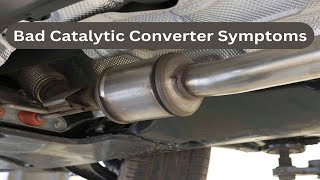
A failing catalytic converter can cause noticeable problems with your vehicle. The most common sign is the check engine light turning on, often with error codes P0420 or P0430. These codes specifically point to the converter's efficiency being below the required threshold. You might also notice a significant drop in engine power, sluggish acceleration, and worse fuel economy because the engine can't breathe properly. In some cases, you may smell a rotten egg or sulfur odor from the exhaust, or even see darker smoke than usual.
🎬 Watch this video to learn more about common failure symptoms.Known Issues for Ford Explorer Converters
Certain Ford Explorer models have specific known issues related to their catalytic converters. Ford issued Customer Satisfaction Program 24M01 for some 2020 Explorer models due to converters developing cracks or internal heat damage, which triggers the P0420 and P0430 codes. This program extends the warranty for this specific issue to 15 years or 150,000 miles. Additionally, Police Interceptor models from 2013-2018 have an extended warranty (Program 19M01) for converter failure caused by aggressive driving. It's always a good idea to check with a Ford dealer to see if your vehicle's VIN is covered under any of these programs before purchasing a replacement.
Choosing the Right Aftermarket Catalytic Converter

When replacing a converter, you'll find a wide range of aftermarket options. These parts are often much more affordable than OEM (Original Equipment Manufacturer) parts, but quality can vary. It's important to choose the right one for your needs and location.
Brand Quality Tiers
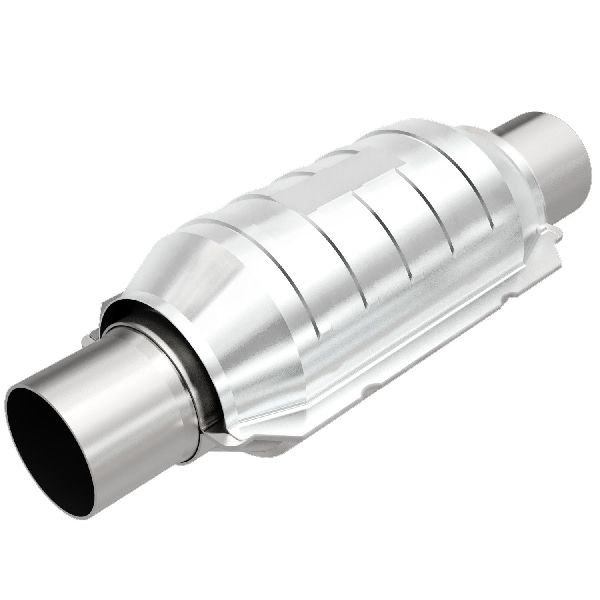
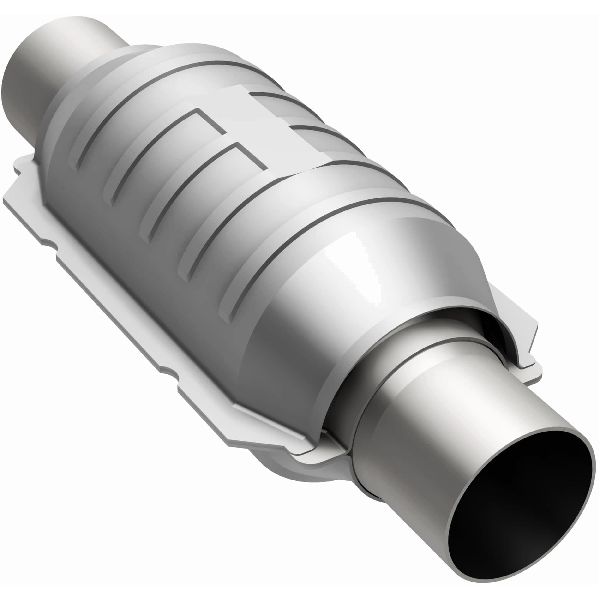
- Premium Brands (e.g., MagnaFlow): Often considered a top-tier choice, MagnaFlow converters are known for their durable stainless steel construction and high-flow designs that can sometimes improve performance. They are engineered to match OE specifications, reducing the chance of check engine light issues.
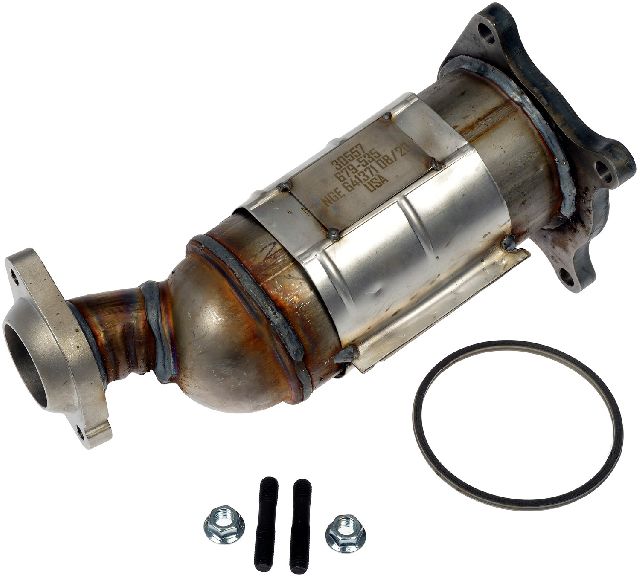
- Standard OE-Style Brands (e.g., Dorman, AP Exhaust, BRExhaust): These brands focus on providing a direct, bolt-on replacement that functions like the original part without the high OEM price tag. They offer a good balance of quality, fit, and affordability for the average vehicle owner.
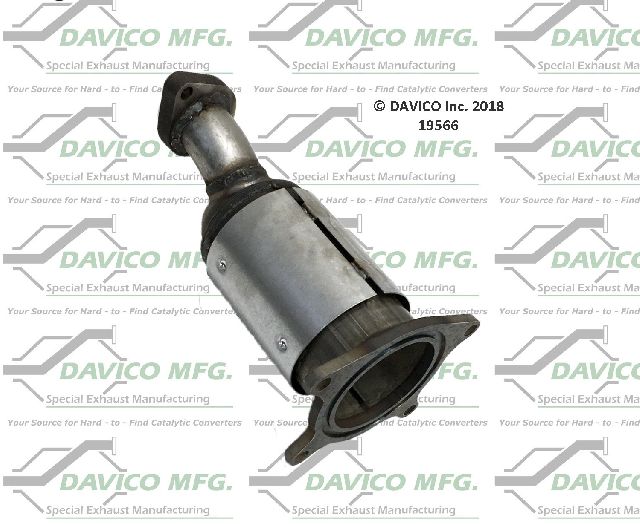
- Economy Brands (e.g., Eastern Catalytic, Davico): These are typically the most budget-friendly options. However, some owners have reported that lower-cost converters may not last as long or can sometimes fail to meet the strict monitoring standards of the vehicle's computer, potentially causing the check engine light to return.
CARB vs. Federal EPA Compliance
It is critical to buy a converter that is legal for your state. California and other states that follow California Air Resources Board (CARB) standards have much stricter emissions requirements. You must install a CARB-compliant converter if you live in one of these states. Federal (EPA) converters are for all other states. Installing the wrong type will cause you to fail an emissions test.
How Many Converters Does My Explorer Have?

The number of catalytic converters on your Ford Explorer depends on the engine. The V6 models (like the 3.5L) typically have three converters: one on the left (Bank 2, radiator side), one on the right (Bank 1, firewall side), and a third one further downstream. The 4-cylinder EcoBoost engines usually have one or two. It's important to correctly diagnose which converter has failed before ordering a replacement.
| Part Type | Estimated Cost Range |
|---|---|
| New OEM | $1036 - $1579 |
| New Aftermarket | $133 - $1134 |
| Shop Labor | $363 - $533 |
Frequently Asked Questions

Why did my original catalytic converter fail?
Catalytic converters usually fail because of another problem with the engine. Common causes include engine misfires, which send unburned fuel into the exhaust that overheats and melts the converter's internal structure. Leaking engine oil or coolant can also contaminate and clog the converter. It's crucial to fix the root cause of the failure before installing a new converter, or the new part will likely fail as well.
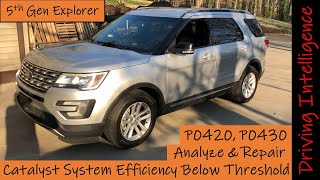
🎬 See how to properly diagnose and fix P0420/P0430 efficiency codes.Will an aftermarket converter cause a check engine light?
A quality, properly installed aftermarket converter should not cause a check engine light. However, very cheap converters may not have enough of the precious metals needed to satisfy the vehicle's sensitive emissions monitoring, which can trigger a P0420 or P0430 code. Choosing a reputable brand and ensuring it is the correct type (Federal vs. CARB) for your vehicle is the best way to avoid this.
What's the difference between a direct-fit and universal converter?
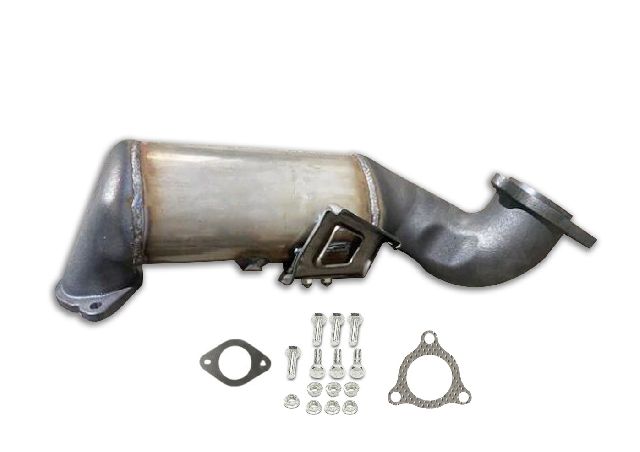
A direct-fit converter is designed to bolt directly into your Explorer's exhaust system without any modifications, just like the original part. A universal converter is a more generic part that requires cutting and welding to be installed. For a vehicle like the Explorer, where many converters are integrated with the exhaust manifold, a direct-fit part is almost always the correct and easier choice.
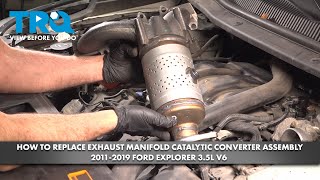
🎬 Follow this step-by-step guide to replace your Explorer's exhaust manifold.Is my Ford Explorer at risk for catalytic converter theft?
Yes, the Ford Explorer is a common target for catalytic converter theft. Its higher ground clearance as an SUV makes it easier for thieves to get underneath and quickly cut the converters out. Owners may want to consider having an anti-theft shield installed to protect their vehicle.
Helpful Videos
Technical Specifications
Ford Explorers from 2012-2024 use several engine types, including the 2.0L/2.3L EcoBoost I-4 and the 3.5L/3.7L V6. The V6 models typically feature three catalytic converters integrated into the exhaust manifolds (Bank 1 and Bank 2) and one downstream. The I-4 models have a simpler setup. Most replacements are direct-fit, bolt-on units, though some universal weld-in options exist. Ensure you select a Federal (EPA) or CARB-compliant part based on your state's laws.
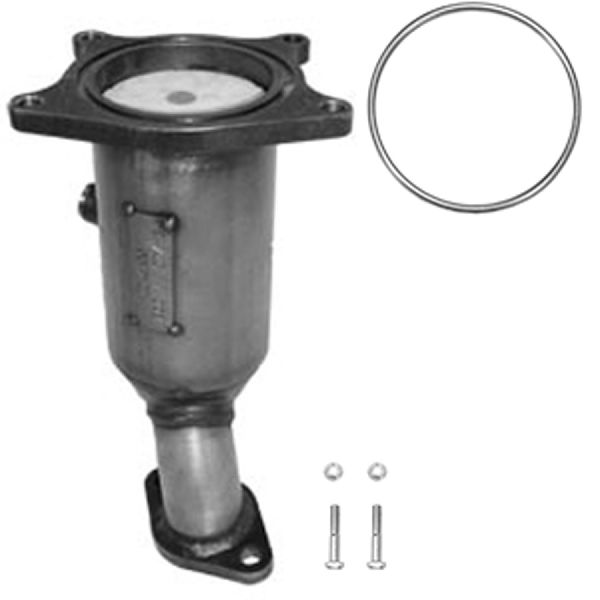
We Have This Part in Stock

The information in this article is provided for general reference and educational purposes only. Vehicle specifications, procedures, and part compatibility can vary by production date, trim level, and region. Always consult your vehicle's factory service manual and verify part numbers before purchasing or performing repairs. Safety-critical components such as airbags, seat belts, and braking systems should be installed by a qualified professional.
- Ford Explorer: