

Ford F-150 (2012-2023) Mass Air Flow Sensor: A Complete Guide
Experiencing rough idle, poor fuel economy, or hesitation in your F-150? Your Mass Air Flow sensor might be the problem.
- A dirty MAF sensor is the most common problem; try cleaning it with a dedicated cleaner before buying a new one.
- Replacement is extremely easy and takes less than 15 minutes with basic tools, making it a great DIY job.
- For reliability similar to the original part, choose top-tier aftermarket brands like Hitachi or Delphi, which are often OEM suppliers.
- Ignoring a bad MAF sensor can lead to poor fuel economy, failed emissions tests, and potential damage to your catalytic converters over time.
Is Your F-150's MAF Sensor Failing?

When the MAF sensor on your 2012-2023 F-150 starts to go bad, it can't measure airflow correctly. This throws off the air-fuel mixture and your truck will let you know something is wrong. The most common cause of failure isn't the sensor breaking, but the sensing element getting dirty with dust, oil, or other gunk. Oiled aftermarket air filters are a frequent cause of MAF sensor contamination on F-150s.
Common Failure Symptoms
- Check Engine Light: This is often the first warning. You'll likely see code P0101, which means the sensor's readings are out of the normal range.
- Rough Idle: Your engine might shake, vibrate, or sound uneven when you're stopped.
- Hesitation or Stalling: The truck may stumble or jerk when you accelerate, and in some cases, it might stall when you come to a stop.
- Poor Fuel Economy: If you're filling up your tank more often, a bad MAF sensor could be wasting fuel by telling the engine to run rich (too much fuel). You might lose 15-20% of your normal fuel efficiency.
- Black Smoke from Exhaust: This is a clear sign the engine is running too rich, often caused by a faulty MAF sensor overestimating the air entering the engine.
Choosing the Right Aftermarket MAF Sensor

When replacing the MAF sensor on your F-150, you don't have to buy the expensive OEM part from a Ford dealer. Aftermarket parts can offer the same quality for less money, but brand choice matters. Some aftermarket brands are even the original equipment manufacturers for Ford.
Brand Quality Tiers
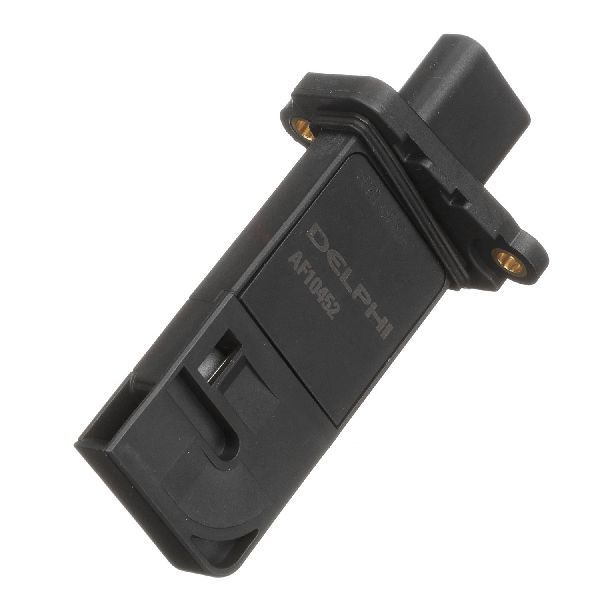
- Top Tier (OEM Equivalent): Brands like Hitachi and Delphi are often original equipment suppliers. They are engineered to meet or exceed Ford's specifications, offering the highest reliability. Hitachi MAF sensors, for example, are 100% air-flow tested and calibrated for the specific application.
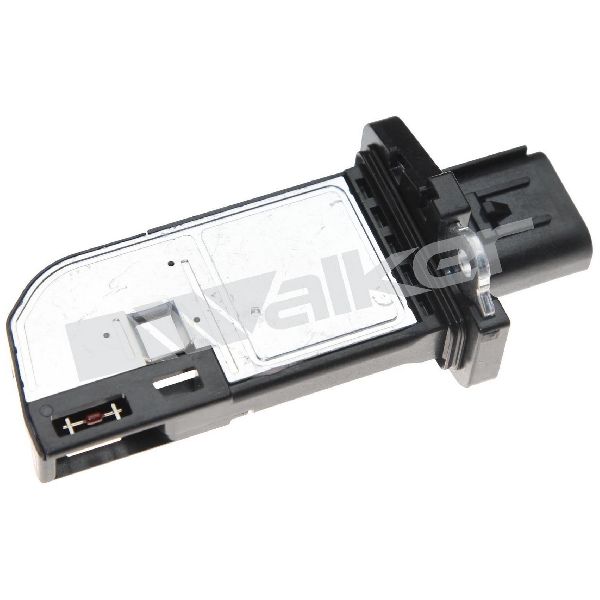
- Reputable Aftermarket: Brands like Standard Ignition and Walker Products have a long history of making quality engine management parts. They are generally considered reliable and a good balance between cost and quality. Walker Products manufactures many of its sensors in the USA.
- Budget-Friendly: Brands like Cardone (which offers new and remanufactured parts), DriveWire, and Global Parts provide a more affordable option. While functional, forum discussions suggest that the cheapest sensors can sometimes be less reliable or have a shorter lifespan than OEM or top-tier aftermarket parts.
- Performance-Oriented: Brands like Granatelli and Jet Performance offer high-performance MAF sensors designed for modified trucks, often with cold air intakes or custom tunes. These are not necessary for a stock F-150 and may require a tune to work correctly.
Pro Tip: Before you buy a new sensor, try cleaning your current one. Often, a simple cleaning with a dedicated MAF sensor cleaner spray is all that's needed to fix the problem. This is a cheap and easy first step. Never use brake cleaner or carburetor cleaner, as they will damage the sensor.
Cost of Replacing a Ford F-150 MAF Sensor
| Part Type | Estimated Cost |
|---|---|
| New OEM (Motorcraft) | $150 - $250+ |
| New Aftermarket | $71 - $210 |
| Shop Labor | $50 - $100 |
Note: Costs are estimates and can vary based on your location, truck's engine, and the specific retailer.
Frequently Asked Questions

Can I just clean my F-150's MAF sensor?
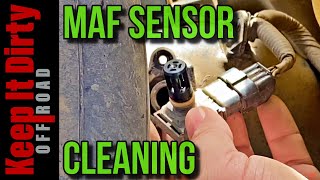
Yes, and you should try this first. Many MAF sensor issues on the F-150 are caused by a dirty sensor element, not a failed one. Use a can of CRC Mass Air Flow Sensor Cleaner or an equivalent product. The process is simple: unplug the sensor, remove two T20 Torx screws, carefully pull the sensor out, spray the small wires inside, and let it dry completely before reinstalling. Do not touch the wires with anything.
Is it hard to replace the MAF sensor myself?
No, this is one of the easiest repairs you can do on your F-150. It requires basic tools (usually a T20 Torx driver) and takes about 10-15 minutes. The sensor is located right on top of the air intake tube, making it very easy to access.
Are there any recalls or TSBs for the F-150 MAF sensor?
Searches for the 2012-2023 Ford F-150 did not find any specific recalls for the Mass Air Flow sensor itself. However, other issues can sometimes affect the MAF sensor. For example, a Technical Service Bulletin (TSB) for the 2012-2014 Ford Edge noted that oil from the PCV system could contaminate the MAF sensor, a problem that could potentially affect F-150s with similar engine designs.
Do I need a special tune if I install an aftermarket MAF sensor?
For a standard, direct-fit replacement sensor from brands like Hitachi, Delphi, or Walker, you do not need a new tune. However, if you install a larger, high-performance MAF sensor, you will need to have your truck's computer retuned to account for the change in airflow readings.
Helpful Videos


Technical Specifications
OEM Part Numbers: BL3Z-12B579-A 7L55-12B579-AA BR31-12B579-AA
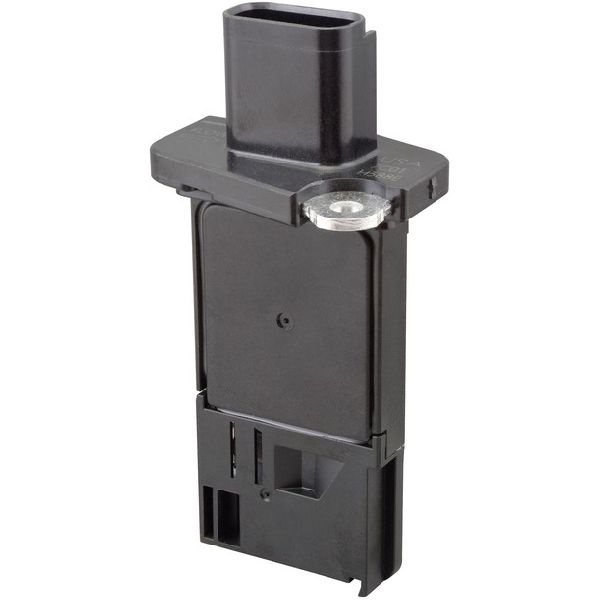
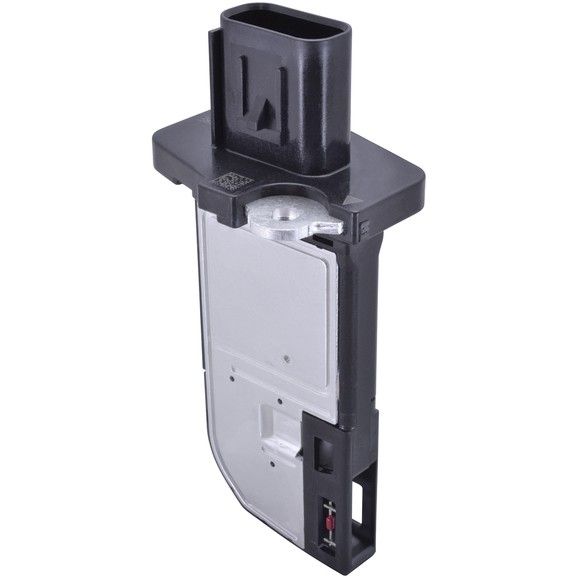
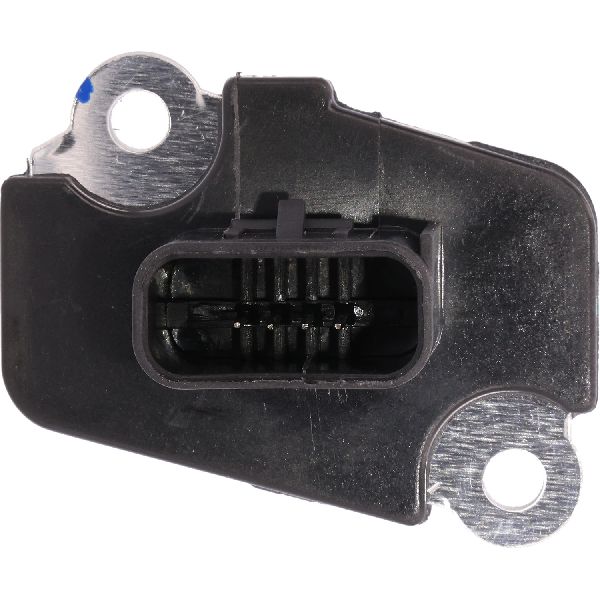
The MAF sensor for the 2012-2023 Ford F-150 is typically a 'sensor-only' unit that bolts into the air intake duct with two T20 Torx screws. It uses a 4-pin or 6-pin electrical connector, depending on the engine and year. The sensing element is a hot-wire or hot-film design that measures air mass.
We Have This Part in Stock


The information in this article is provided for general reference and educational purposes only. Vehicle specifications, procedures, and part compatibility can vary by production date, trim level, and region. Always consult your vehicle's factory service manual and verify part numbers before purchasing or performing repairs. Safety-critical components such as airbags, seat belts, and braking systems should be installed by a qualified professional.
- Ford F-150: