

A Guide to Spark Plug Replacement for the 2012-2022 Volkswagen Passat
Everything you need to know about choosing and replacing the spark plugs in your Passat's engine.
- Replace spark plugs at the correct interval: 40,000 miles for 4-cylinder engines and 60,000 miles for the V6.
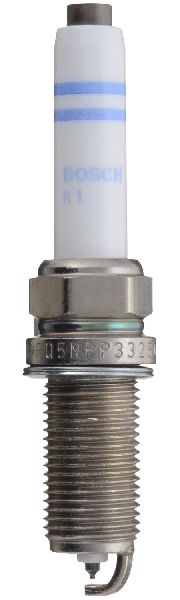
- Stick with OEM-equivalent brands like Bosch or NGK for the best performance and reliability in your Passat.
- A flashing check engine light can indicate a severe misfire caused by a bad spark plug and should be addressed immediately to prevent engine damage.
- Always match the new spark plug's material (Iridium, Platinum) to what the factory installed to ensure compatibility and longevity.
Symptoms of Failing Spark Plugs in a Passat

When your spark plugs are nearing the end of their life, your Passat will give you several warning signs. Ignoring them can lead to bigger problems, including damage to the catalytic converter. Common symptoms include:
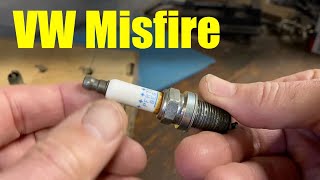
- Rough Idle: The engine may vibrate or sound unsteady when you're stopped. 🎬 Watch: How to fix a shaking engine and misfire
- Engine Misfires: You might feel a hesitation or jerking from the engine, especially when accelerating. A flashing check engine light often accompanies a misfire.
- Reduced Fuel Economy: Worn plugs are less efficient, causing your engine to use more fuel than normal.
- Poor Acceleration: The car may feel sluggish or slow to respond when you press the gas pedal.
- Difficulty Starting: A weak spark from old plugs can make it harder for the engine to turn over, especially in cold weather.
Check Engine Light
A common sign of a spark plug issue is an illuminated Check Engine Light. If the light is flashing, it indicates a serious engine misfire that could damage other components. It is recommended to get the vehicle checked immediately. Diagnostic Trouble Codes (DTCs) from P0300 to P0306 often point to spark plug or ignition system failures.
🎬 See how to diagnose engine issues by reading your plugsChoosing the Right Aftermarket Spark Plug

For the 2012-2022 Passat, sticking with brands that are known OEM (Original Equipment Manufacturer) suppliers is your safest bet for quality and compatibility. Not all spark plugs are created equal, and using the wrong type can cause performance issues.
Brand Quality Tiers
- Tier 1 (OEM Equivalent): Bosch & NGK. Both Bosch and NGK are original equipment suppliers for Volkswagen. You can't go wrong with either brand. Bosch, a German company, is often the factory-installed plug. NGK is a highly respected Japanese brand that many VW enthusiasts and mechanics trust, sometimes even preferring them over Bosch for their consistent performance.
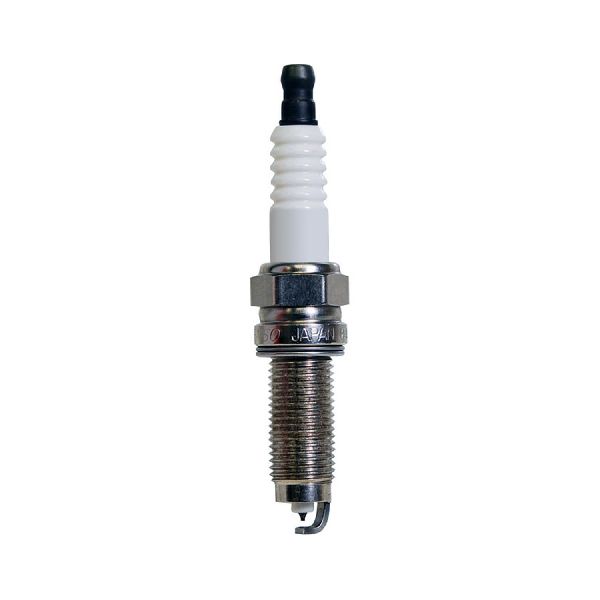
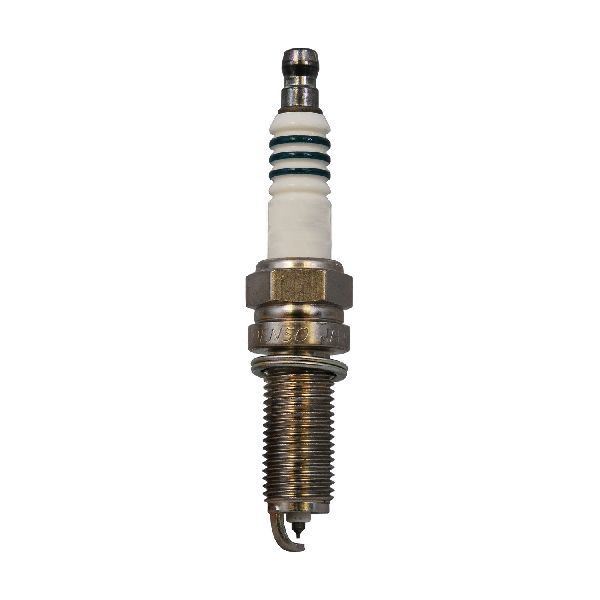
- Tier 2 (High-Quality Aftermarket): Denso. Denso is another top-tier Japanese parts manufacturer known for making reliable and long-lasting iridium spark plugs. They are an excellent alternative if Bosch or NGK are not available.
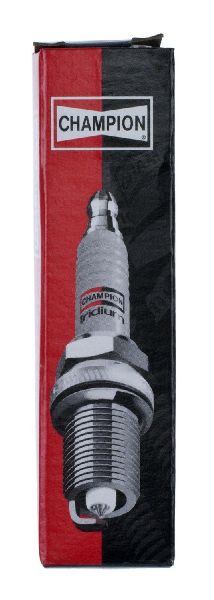
- Tier 3 (Standard Aftermarket): Autolite & Champion. These brands offer a more budget-friendly option. While they produce functional spark plugs, they are generally not considered to be on the same level as the OEM suppliers for European vehicles. If you choose one of these, be sure to match the material and specifications exactly to your vehicle's requirements.
Match the Material
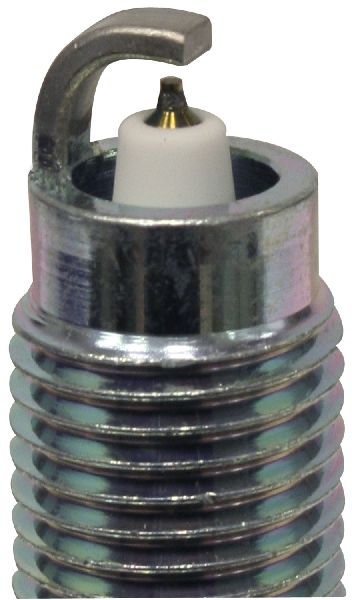
Your Passat's engine was designed for a specific type of spark plug (e.g., copper, platinum, or iridium). For best results, you should replace your plugs with new ones of the same material. Using a different material can alter performance and may not provide the same longevity. Iridium and platinum plugs last much longer than standard copper plugs.
Volkswagen Passat Spark Plug Replacement Costs
The cost to replace your spark plugs can vary depending on your engine and whether you do it yourself or use a professional mechanic.
| Item | Estimated Cost |
|---|---|
| Aftermarket Spark Plugs (per plug) | $5.35 - $31.88 |
| Shop Labor | $155 - $227 |
| Total Professional Replacement | $187 - $335 |
Frequently Asked Questions (FAQ)

How often should I change my Passat's spark plugs?
It depends on your engine. For 4-cylinder gasoline engines (1.4L, 1.8L, 2.0L), Volkswagen recommends replacement every 40,000 miles or 4 years. For the 3.6L V6 engine, the interval is longer, at 60,000 miles or 6 years. Always check your owner's manual for the specific schedule for your vehicle.
Is it hard to change the spark plugs on a Passat myself?
For most DIY mechanics, changing the spark plugs on a Passat is a manageable job. It requires basic tools like a socket wrench, an extension, and a special spark plug socket. The ignition coils sit directly on top of the plugs and must be removed first. The difficulty is generally low, but care must be taken not to damage the ignition coils or cross-thread the new plugs when installing them.
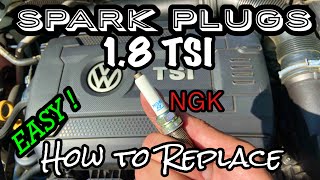
🎬 Watch this step-by-step guide to changing your Passat's spark plugsShould I use Bosch or NGK spark plugs for my Passat?
Both are excellent choices and are considered OEM quality. Bosch is a German brand and often the factory original. NGK is a highly trusted brand in the automotive community, and many owners report great performance. You can confidently choose either brand as long as you select the correct part number for your Passat's specific engine.
Do I need to gap the new spark plugs?
Most modern spark plugs from quality brands like NGK and Bosch come pre-gapped for their intended application. However, it is always a good practice to double-check the gap with a feeler gauge before installation to ensure it wasn't altered during shipping. The correct gap is crucial for proper engine performance.
Helpful Videos

Technical Specifications
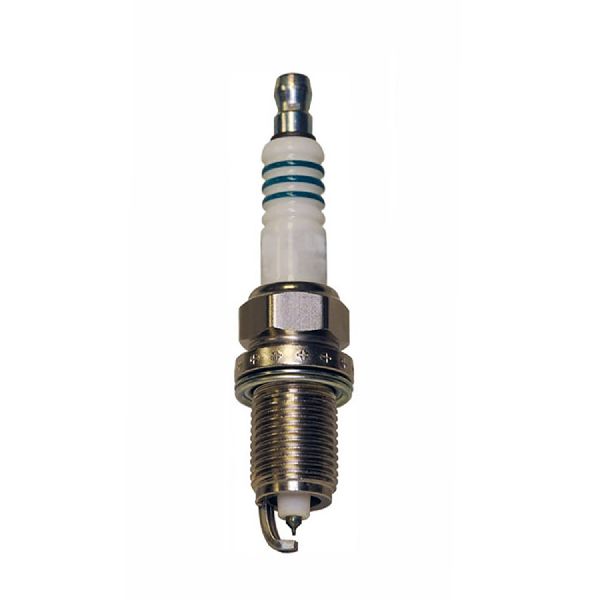
OEM Part Numbers: 101905601F
Replacement intervals depend on the engine. 4-cylinder engines: 40,000 miles/4 years. 6-cylinder engine: 60,000 miles/6 years. Use of Iridium or Platinum plugs is common for longer life. Always verify the correct heat range and pre-set gap for your specific engine.
We Have This Part in Stock

The information in this article is provided for general reference and educational purposes only. Vehicle specifications, procedures, and part compatibility can vary by production date, trim level, and region. Always consult your vehicle's factory service manual and verify part numbers before purchasing or performing repairs. Safety-critical components such as airbags, seat belts, and braking systems should be installed by a qualified professional.
- Volkswagen Passat: