

Volkswagen Passat Oxygen Sensor Guide for 2012-2022 Models
Diagnose and choose the right oxygen sensor to restore your Passat's fuel economy and performance.
- A bad oxygen sensor will trigger your Check Engine Light and decrease fuel economy.
- For the critical upstream sensor (Bank 1, Sensor 1), stick with OEM-quality brands like Bosch, NGK, or Denso for best results.
- Your Passat has at least two sensors (upstream and downstream) that are not interchangeable; ensure you are replacing the correct one.
- Driving too long with a faulty O2 sensor can cause expensive damage to your catalytic converter.
Understanding Oxygen Sensor Failure in Your Passat

The oxygen (O2) sensor is a key component for your Passat's engine health. It lives in the hot exhaust stream and naturally wears out over time, typically needing replacement between 80,000 and 100,000 miles. When it fails, it can't send accurate information to your car's computer, leading to a range of problems. Ignoring a bad O2 sensor can not only hurt your gas mileage but can also lead to damage of the expensive catalytic converter down the line.
Symptoms of a Failing Oxygen Sensor

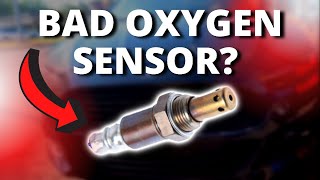
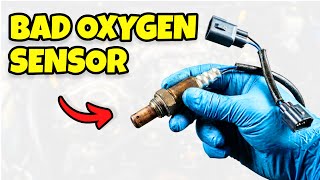
A bad O2 sensor will almost always trigger the Check Engine Light on your dashboard. 🎬 Watch: Learn more about common symptoms of a bad sensor. Other common signs include:
- Worse Gas Mileage: The engine may run too rich (using too much fuel) because the computer gets bad data.
- Rough Idle or Misfires: Your engine might feel shaky or unstable when stopped.
- Sluggish Performance: You may notice your car feels less powerful or slow to accelerate.
- Failed Emissions Test: The car will produce more pollution than allowed.
- Rotten Egg or Fuel Smell: This can be caused by unburned fuel getting into the exhaust system.
Known Issues for TDI Models
An emissions recall (Code: 24CX) was issued for 2012-2014 Passat 2.0L TDI models. This involved an inspection and potential replacement of the oxygen sensor related to an air intake issue. Additionally, a Technical Service Bulletin (TSB TT 26-14-02) exists for 2012-2015 TDI models, detailing a specific O2 sensor reset procedure needed after replacement.
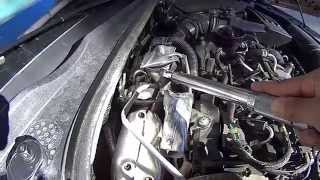
🎬 See this step-by-step replacement walkthrough for the 2.0L TDI.Choosing the Right Aftermarket Oxygen Sensor

For a sensitive part like an O2 sensor, brand quality matters. Volkswagen systems can be particular, and using a high-quality sensor can prevent future headaches. Here’s a breakdown of available aftermarket brands.
Tier 1: OEM-Equivalent Brands
These brands are often the original equipment manufacturers for Volkswagen and offer the best fit and performance. For the critical upstream (Bank 1, Sensor 1) sensor, it is highly recommended to use one of these brands.
- Bosch: The original inventor of the automotive oxygen sensor and a primary OEM supplier for VW. Widely regarded as the top choice for reliability and performance.
- NGK (NTK): Another top-tier Japanese brand with a strong reputation for making reliable sensors that meet or exceed OEM specifications.
- Denso: A major global supplier of OEM parts, Denso sensors are known for their quality and are a safe bet for OE-level performance.
Tier 2: Quality Aftermarket Brands
These brands offer a good balance of price and quality and are a solid choice for most situations, especially for the less-critical downstream sensor.
- Delphi: A well-respected aftermarket manufacturer with a history of producing reliable electronic components.
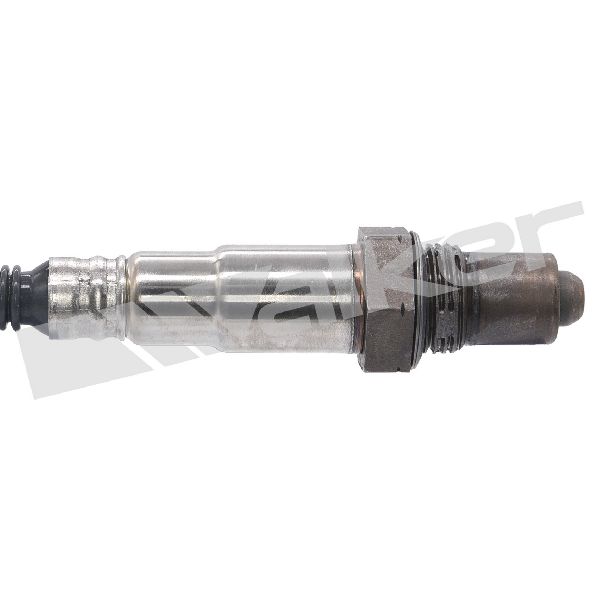
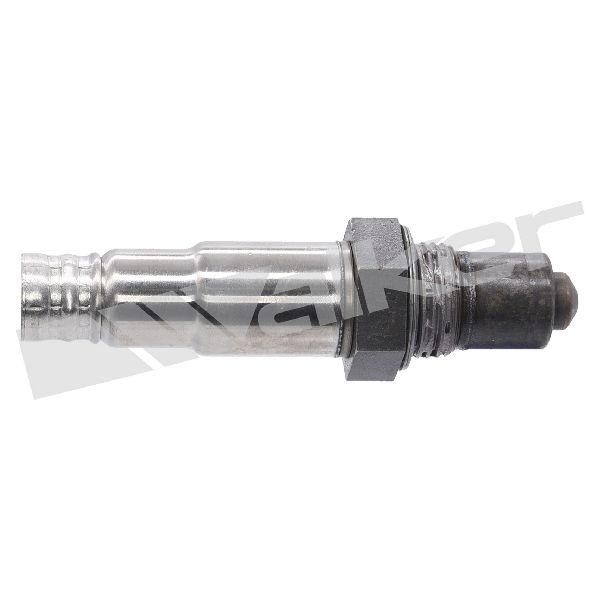
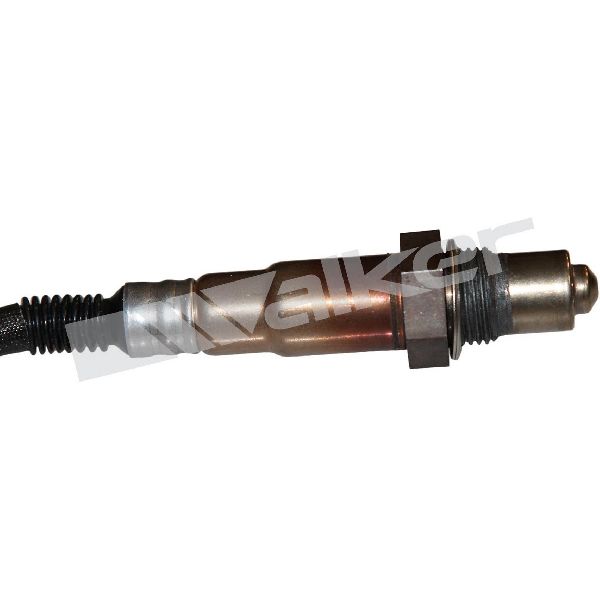
- Walker Products: A known brand in the aftermarket exhaust and emissions space, offering direct-fit sensors.
Tier 3: Budget-Friendly Options
These brands provide a low-cost alternative, but may have a higher risk of compatibility issues or a shorter lifespan. They can be a viable option for an older, high-mileage vehicle or for the downstream sensor where performance demands are lower.
- DriveWire
- Spectra
- Facet
- Vemo
Direct-Fit vs. Universal Sensors
Always choose a "Direct-Fit" sensor. These come with the correct electrical connector for your Passat, making installation simple. "Universal" sensors require you to cut your old connector and splice it onto the new sensor, which can lead to connection problems if not done perfectly.
Oxygen Sensor Replacement Cost
The cost depends on whether you do it yourself and the brand you choose. The downstream sensor is often cheaper than the upstream sensor.
| Item | Estimated Cost |
|---|---|
| New Aftermarket Oxygen Sensor | $32 - $212 |
| New OEM Oxygen Sensor | $60 - $220 |
| Shop Labor | $100 - $200 |
| Total Professional Replacement | $132 - $412 |
Frequently Asked Questions (FAQ)

How many oxygen sensors does my 2012-2022 Passat have?
Most 4-cylinder and 5-cylinder Passat models from this era have two oxygen sensors: one upstream (before the catalytic converter) and one downstream (after the catalytic converter). V6 models may have four sensors (two upstream and two downstream, one for each cylinder bank). It is crucial to identify which sensor has failed before ordering a replacement.
What is the difference between an upstream and downstream sensor?
The upstream sensor (also called Bank 1 Sensor 1) is located before the catalytic converter. Its primary job is to provide fast feedback to the engine computer to control the air-fuel mixture. The downstream sensor (Bank 1 Sensor 2) is located after the catalytic converter and its main job is to monitor the converter's efficiency by comparing its reading to the upstream sensor. They are calibrated differently and are not interchangeable.
Do I need a special tool to replace an oxygen sensor?
Yes, it is highly recommended. A special O2 sensor socket, which has a slot cut out for the wire, allows you to fit the socket over the sensor without damaging the wiring. You will also need penetrating oil to help loosen the old sensor, as they are often rusted in place.
🎬 Watch: How to use a special socket to replace your sensor.My code points to the downstream sensor, but replacing it didn't fix it. What now?
This can happen on VWs. Sometimes, a failing upstream (pre-cat) sensor provides such incorrect readings that the engine runs extremely rich. This causes the downstream (post-cat) sensor to detect a problem and trigger a code, even though it is working correctly. If you have a persistent code like P2097 after replacing the downstream sensor, the upstream sensor may be the actual culprit.
Helpful Videos
Technical Specifications
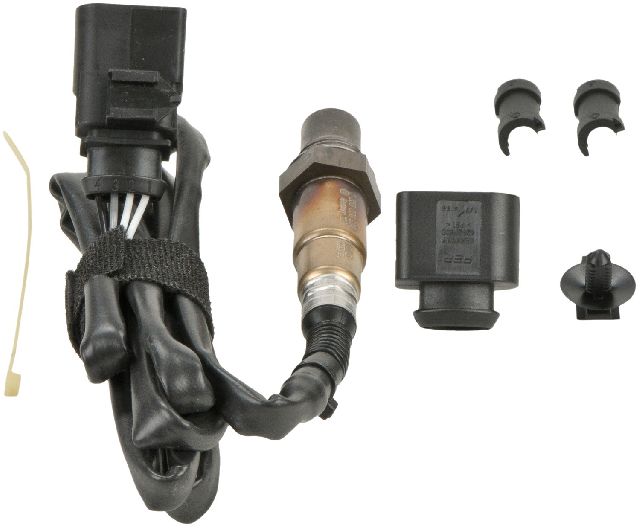
OEM Part Numbers: 06K906262G 06K906262N 03L906262B
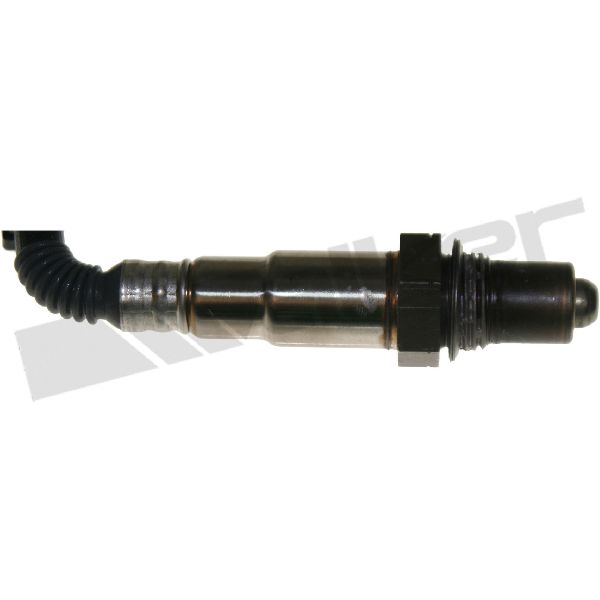
Most 2012-2022 Passat models use a heated, 4-wire or 5-wire (wideband) oxygen sensor. The physical length of the wire harness and the connector type are specific to the sensor's location (upstream or downstream) and the vehicle's engine type. Always verify the part by your vehicle's VIN and engine.
We Have This Part in Stock


The information in this article is provided for general reference and educational purposes only. Vehicle specifications, procedures, and part compatibility can vary by production date, trim level, and region. Always consult your vehicle's factory service manual and verify part numbers before purchasing or performing repairs. Safety-critical components such as airbags, seat belts, and braking systems should be installed by a qualified professional.
- Volkswagen Passat: