

A Guide to Replacing the Catalytic Converter on Your 2012-2022 Toyota Corolla
Understand the symptoms of failure, theft risks, and how to choose the right aftermarket part for your Corolla.
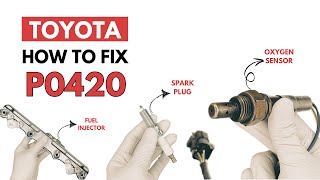
- The most common sign of a bad converter is the P0420 check engine light code.
- Toyota Corollas are a growing target for catalytic converter theft; consider installing an anti-theft shield with your new part.
- You must buy a converter that is legal for your state (Federal EPA vs. CARB for CA, CO, NY, ME).
- For easier installation, choose a 'direct-fit' model over a 'universal' one, which requires welding.
Is Your Corolla's Catalytic Converter Failing?

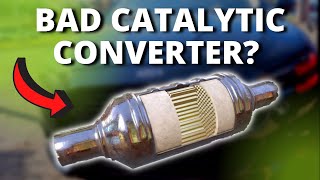
A problem with your catalytic converter can show up in several ways. The most common sign is the check engine light turning on. This is often caused by a diagnostic trouble code called P0420, which means the converter's efficiency is below what it should be. You might also notice your car feels sluggish or doesn't accelerate as quickly as it used to. Other symptoms include worse gas mileage, a rattling sound from under the car, or a smell like rotten eggs coming from the exhaust. 🎬 Watch: A visual guide to common bad catalytic converter symptoms. In serious cases, a completely clogged converter can cause the engine to overheat or stall.
Catalytic Converter Theft: A Real Risk for Corolla Owners

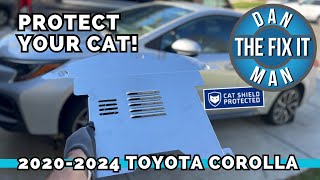
One of the most common reasons for replacing a catalytic converter today isn't failure, but theft. The Toyota Corolla is a prime target for thieves. This is because Corollas are one of the best-selling cars, making them very common and easy for thieves to find. The converters contain valuable precious metals that can be sold on the black market for hundreds of dollars. Because they are often easy to access and remove with simple tools, installing an anti-theft shield is a wise investment after replacing your converter.
🎬 See how to install a shield to prevent converter theft.⚠️ Important Note on Emissions Compliance (CARB)
Before buying any aftermarket catalytic converter, you must know your state's emissions laws. States like California, Colorado, New York, and Maine have stricter standards (set by the California Air Resources Board or CARB). If you live in one of these states, you MUST install a CARB-compliant converter to be street legal and pass emissions tests. Federal (EPA) converters are not legal for use in these states. Always check the product description and your local laws.
Choosing the Right Aftermarket Catalytic Converter

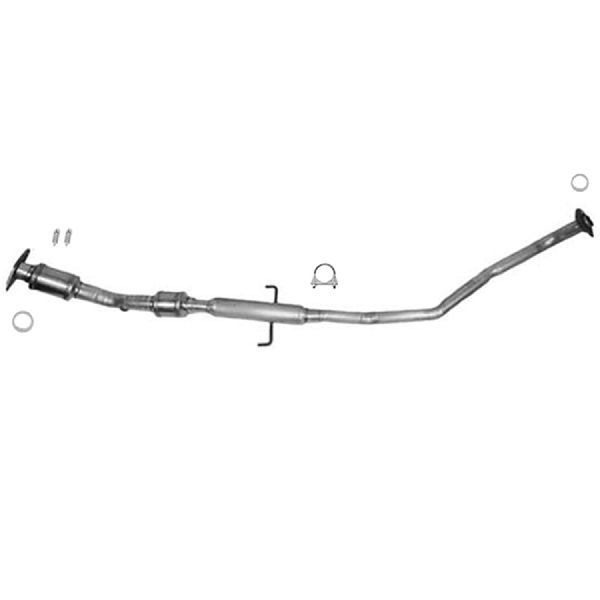
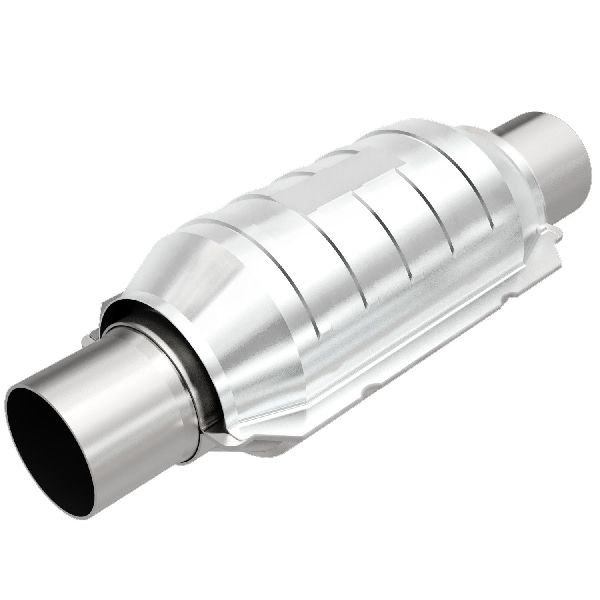
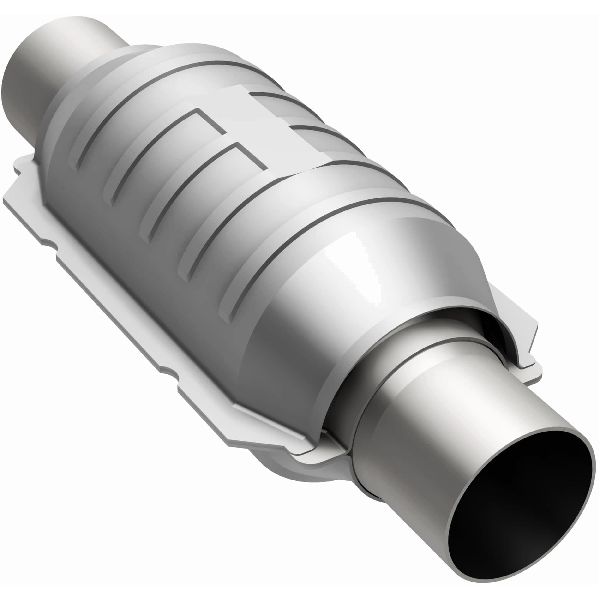
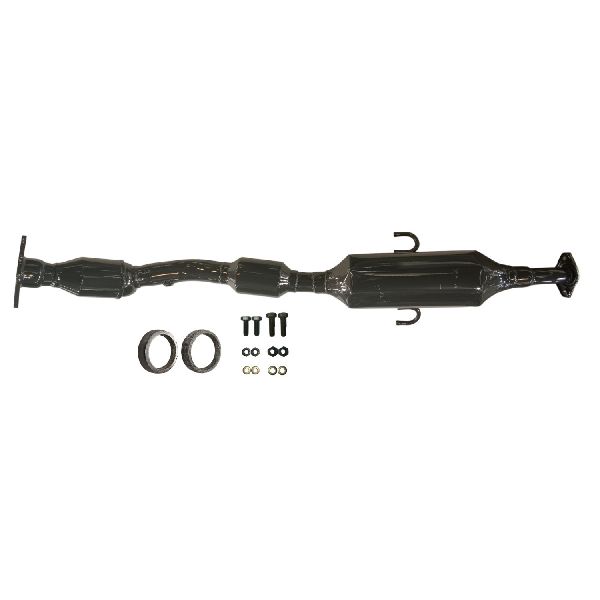
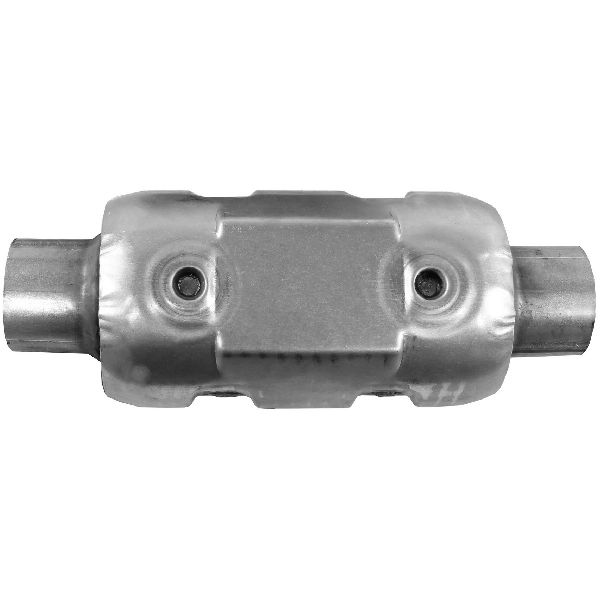
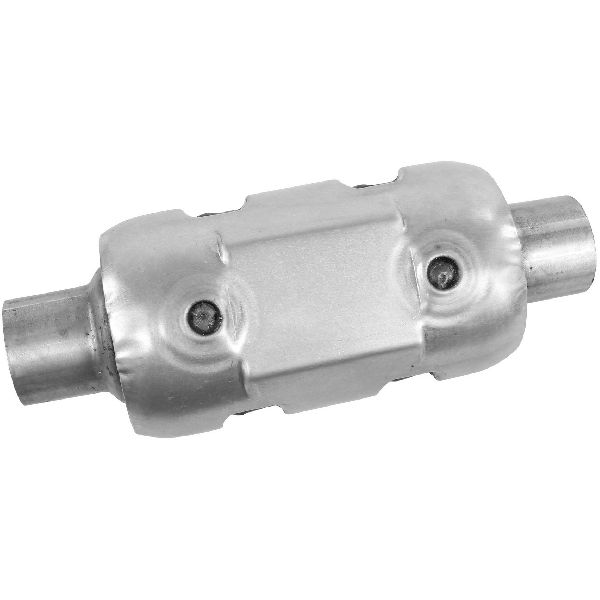
When replacing your Corolla's catalytic converter, you don't have to buy an expensive OEM part from the dealer. Aftermarket brands offer a range of quality and price points. They are typically categorized as either direct-fit or universal-fit. Direct-fit parts are designed to bolt directly into the factory location without modification, while universal parts require cutting and welding for installation.
Brand Tiers for Your Toyota Corolla
- Premium Brands (MagnaFlow): MagnaFlow is a well-known leader in performance exhaust parts. Their converters are typically made from durable stainless steel and are often available in CARB-compliant versions for stricter states. They are considered a top-tier aftermarket choice, though they may be more expensive.
- OEM-Equivalent Brands (Walker Exhaust): Walker is one of the most trusted names for exhaust components and is often considered the go-to for a quality aftermarket replacement that fits and functions like the original part. They have a strong reputation for reliability and easy installation on their direct-fit models.
- Value-Oriented Brands (Eastern Catalytic, AP Exhaust, Davico): Brands like Eastern Catalytic offer a good balance of quality and affordability. They are a solid choice for drivers on a budget who still need a reliable part that will resolve check engine light issues. Forum users have noted that Eastern Catalytic sometimes offers a longer warranty on catalyst performance than other budget brands.
Pro Tip: Fix the Root Cause
A catalytic converter usually fails because of another problem. Common causes include bad oxygen sensors, engine misfires sending unburned fuel into the exhaust, or oil and coolant leaks contaminating the system. Before you install a new converter, make sure you or your mechanic diagnose and fix the original issue. Otherwise, your new converter could fail prematurely.
Frequently Asked Questions

What is the P0420 code and what does it mean?
The P0420 code stands for "Catalyst System Efficiency Below Threshold (Bank 1)". Your Corolla's computer uses two oxygen sensors, one before and one after the catalytic converter, to measure its performance. If the sensor after the converter sends a reading that is too similar to the sensor before it, the computer concludes the converter is no longer cleaning the exhaust properly and triggers the check engine light with this code.
Why are Toyota Corollas targeted for catalytic converter theft?
Corollas are targeted for two main reasons: they are extremely common, and their converters contain valuable metals. Their high sales volume means thieves can easily find them in any parking lot. While not as valuable as those on some hybrid models, the converters still contain enough platinum, palladium, and rhodium to be profitable for thieves.
Can I use a cheaper "universal" converter instead of a direct-fit one?
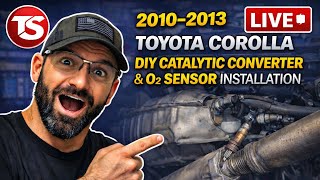
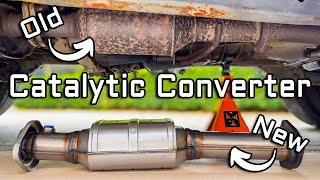
You can, but it's more complicated. A universal converter is not designed for a specific vehicle and will require a professional to cut your exhaust pipe and weld the new part in place. A direct-fit converter is designed to bolt right on, making it much easier and faster to install, and a feasible DIY job for many. 🎬 Watch this step-by-step Corolla catalytic converter and O2 sensor replacement. For most Corolla owners, a direct-fit part is the more practical choice.
Do I need to replace my oxygen sensors with the catalytic converter?
It is often recommended. A failing oxygen sensor can cause a P0420 code even if the converter is good. Furthermore, an old, slow-reacting sensor can't provide the correct information to the engine's computer, which can reduce fuel efficiency and potentially damage the new converter over time. Replacing them together ensures the whole system is working correctly.
Helpful Videos
Technical Specifications
Fitment for the 2012-2022 Toyota Corolla catalytic converter is primarily a direct-fit, bolt-on assembly. The specific OEM part number varies significantly based on the model year, engine type (1.8L vs 2.0L), and whether the vehicle was built to Federal (EPA) or California (CARB) emissions standards. Always verify the correct part for your specific vehicle using its VIN.
We Have This Part in Stock

The information in this article is provided for general reference and educational purposes only. Vehicle specifications, procedures, and part compatibility can vary by production date, trim level, and region. Always consult your vehicle's factory service manual and verify part numbers before purchasing or performing repairs. Safety-critical components such as airbags, seat belts, and braking systems should be installed by a qualified professional.
- Toyota Corolla: