

Chevrolet Sonic Valve Cover: A Guide for the 2012-2020 Models
Understanding the common PCV failure in your Sonic's valve cover and how to fix it right.
- The main problem is the failed PCV diaphragm inside the cover, not just a leaky gasket.
- Symptoms include a loud hiss, rough idle, and a P0171 check engine light.
- For 1.4L Turbo engines, you MUST verify the intake manifold check valve is present before installing a new cover.
- Check with a dealer first; a Special Coverage Adjustment may cover the repair for free.
Is Your Sonic's Valve Cover Failing?

If you own a 2012-2020 Chevrolet Sonic, there's a good chance you'll face an issue with the valve cover. This isn't because of a simple oil leak from the gasket. The problem is a design flaw in the PCV system that is built directly into the plastic valve cover. A small rubber piece inside, called a diaphragm, cracks or tears over time. When this happens, it creates a vacuum leak that the engine's computer can't account for, leading to noticeable problems.
Symptoms of a Bad Valve Cover and PCV System


The signs of this specific failure are easy to spot once you know what to look for. You don't need to be a mechanic to notice them.
- Loud Hissing or Whistling: The most common symptom is a constant sucking or whistling sound coming from the top of the engine while it's running. This is the sound of air being pulled through the torn PCV diaphragm.
- Check Engine Light: A check engine light with code P0171 (System Too Lean) is almost always present. This code means the engine is getting too much air and not enough fuel.
- Rough Idle: Your engine might run poorly, shake, or surge when you're stopped at a light. In some cases, the car may even stall at low speeds.
- High Vacuum: If you remove the oil filler cap while the engine is running, you may feel strong suction or the engine's idle may change dramatically. This confirms a large vacuum leak from the PCV system.
Pro Tip: The Paper Test
You can easily check for a bad PCV diaphragm. With the engine running, locate the small, circular vent port on the valve cover. Hold a small piece of paper or tissue near it. If the paper is sucked against the port, the diaphragm has failed and the entire valve cover needs to be replaced.
Known Issues & Special Coverage
This problem is so common that General Motors issued several "Special Coverage Adjustments." This is not a recall, but an extended warranty for this specific failure. For example, program N192210230 covers some 2015 Sonics and N202299080 covers 2012-2014 Sonics, extending the warranty for the camshaft cover (valve cover) to 10 years or 120,000 miles. It's worth calling a Chevrolet dealer with your VIN to see if your vehicle is covered before you buy a part.
Important for 1.4L Turbo Owners!
Before you replace the valve cover on a 1.4L Turbo engine, you MUST check something else. Inside the intake manifold, there is a small, orange check valve. This valve often breaks or falls out, and its absence causes the new valve cover's PCV diaphragm to fail very quickly. You must look inside the port on the intake manifold (where the PCV hose connects) to ensure that check valve is still there. If it's missing, the intake manifold must be replaced or repaired with a special kit for the new valve cover to last.
Choosing a New Aftermarket Valve Cover

Since the original part has a high failure rate, many owners question if a more expensive OEM part is worth it. Aftermarket brands like Replacement offer a cost-effective solution. For this specific part, an aftermarket cover is a very common and accepted repair. The key is proper installation, especially checking the intake manifold check valve on 1.4L models. Some aftermarket companies even offer aluminum valve covers, but these often have mixed reviews and may use unique gaskets that are hard to find later. A standard plastic aftermarket cover is usually the most straightforward choice.
| Part Type | Estimated Part Cost |
|---|---|
| New Aftermarket (e.g., Replacement) | $53 - $74 |
| New OEM | $105 - $150+ |
| Shop Labor | $95 - $160 |
Frequently Asked Questions (FAQ)

Do I have to replace the whole cover for a PCV issue?
Yes. The PCV diaphragm is sealed inside the valve cover and is not sold as a separate part. The entire valve cover assembly must be replaced to fix the problem.
Is this a difficult job to do myself?
For most DIYers, this is a relatively easy job that can be done in about an hour. It requires basic hand tools, an E10 external Torx socket for the cover bolts, and a T30 Torx bit for the ignition coil. There are many step-by-step videos available online for this specific repair.
What happens if I don't fix it?
While you can drive the car, it's not recommended for long. The engine will run poorly and get bad gas mileage. The lean condition can cause higher engine temperatures, and the high crankcase vacuum can eventually damage other engine seals, leading to more expensive oil leaks.
Should I replace the gasket at the same time?
Yes, and all new aftermarket valve covers come with a new valve cover gasket and spark plug tube seals already installed. You should not need to buy a separate gasket.
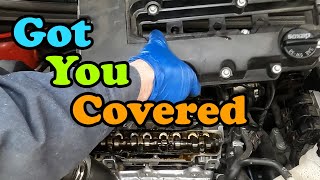
Helpful Videos

Technical Specifications
OEM Part Numbers: 25198874 55573746 25203036 55558673
Fits 2012-2020 Chevrolet Sonic with 1.4L Turbo or 1.8L engines. Made of molded polymer (plastic). Includes integrated PCV system, valve cover gasket, and spark plug tube seals.

The information in this article is provided for general reference and educational purposes only. Vehicle specifications, procedures, and part compatibility can vary by production date, trim level, and region. Always consult your vehicle's factory service manual and verify part numbers before purchasing or performing repairs. Safety-critical components such as airbags, seat belts, and braking systems should be installed by a qualified professional.
- Chevrolet Sonic: