

Chevrolet Sonic Oxygen Sensor: A Guide for 2012-2020 Models
Understanding how to diagnose and choose the right replacement oxygen sensor for your 1.4L or 1.8L Sonic.
- A failing oxygen sensor will trigger the Check Engine Light and hurt your fuel economy.
- Ignoring the problem can lead to expensive catalytic converter damage.
- Check for power steering fluid leaks above the upstream sensor, as this is a known issue that can ruin a new part.
- Choose a direct-fit sensor from a reputable brand like Denso, NGK, or Bosch for best results; they are often the original factory suppliers.
Is Your Sonic's Oxygen Sensor Failing?


When an oxygen sensor goes bad, your car's computer can't properly regulate the fuel mixture. This can cause a range of problems, from annoying to severe. Ignoring a failing O2 sensor can lead to more expensive repairs down the road, including damage to your catalytic converter.
Common Symptoms of a Bad O2 Sensor:
- Check Engine Light: This is the most common sign. A code reader will often show codes related to the O2 sensor's performance or its heater circuit.
- Poor Fuel Economy: If you're filling up your gas tank more often than usual, a bad sensor could be the cause.
- Rough Idle or Stalling: An incorrect air-fuel mix can make your engine run unevenly or even stall at stops.
- Sluggish Performance: Your Sonic might feel slow or hesitate when you press the gas pedal.
- Bad Smell: A failing sensor can lead to a rich fuel mixture, causing a rotten egg or sulfur smell from the exhaust.
Known Issue: Power Steering Fluid Leaks
A Technical Service Bulletin (TSB #18-NA-009) was issued for some GM vehicles, including the Sonic. It notes that a leak from a power steering hose can drip onto and contaminate the Bank 1 (upstream) oxygen sensor's wiring. This can cause a variety of O2 sensor-related trouble codes (like P0131, P0132, P0137, P0171). If you are replacing your sensor, inspect the area for any signs of fluid leaks from above. Fixing the leak is necessary to prevent the new sensor from failing prematurely.
Choosing the Right Aftermarket Oxygen Sensor

You don't need to buy the most expensive sensor, but choosing a quality aftermarket part is important for reliability. Aftermarket brands for the Sonic fall into a few tiers.
- Premium OE-Style Brands (ACDelco, Denso, NGK/NTK, Bosch): These brands are often the original equipment manufacturers for GM. Denso is widely considered the OEM for many ACDelco sensors. They are engineered to match factory performance and are a top choice for reliability. Bosch is another major OE supplier, though some forum users have reported mixed experiences.
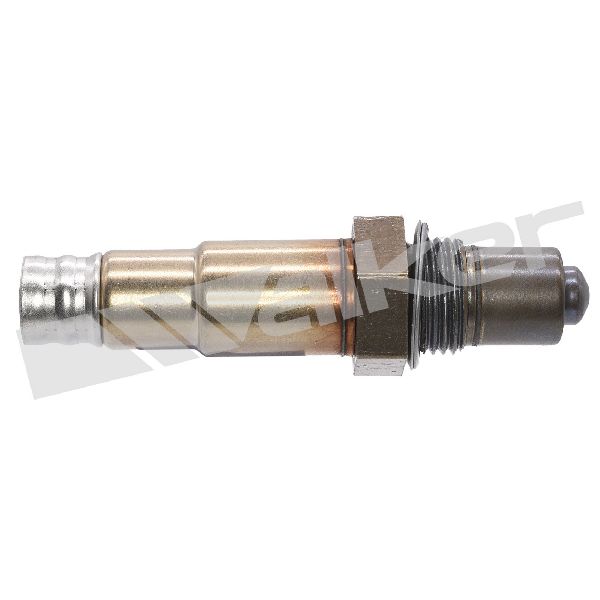
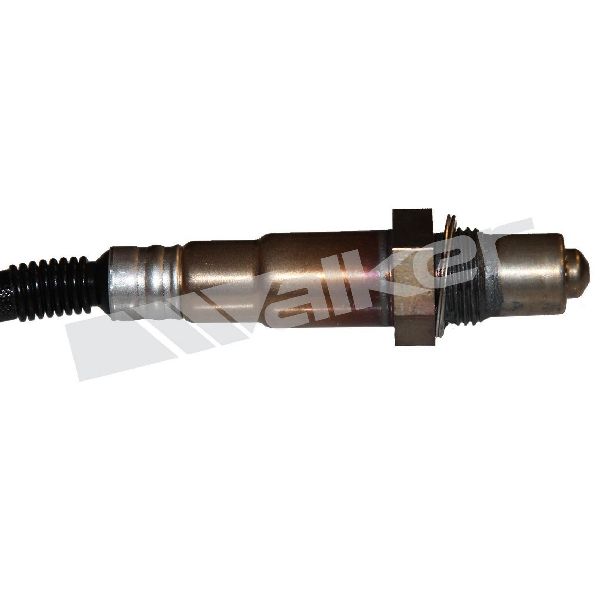
- Quality Aftermarket Brands (Walker, Spectra): These brands offer a good balance of quality and price. They are designed to be direct-fit replacements and are a solid choice for most repairs.
- Economy Brands (DriveWire, Facet, etc.): While these are the most affordable options, their long-term durability and sensor accuracy may not match the higher-tiered brands. They can be a solution for a tight budget, but a premium sensor is often worth the small extra cost.
Upstream vs. Downstream
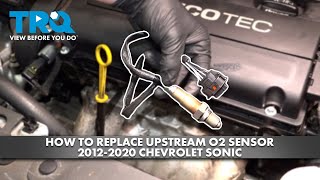
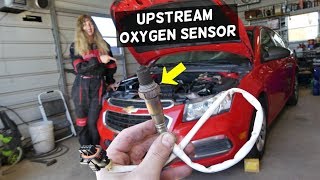
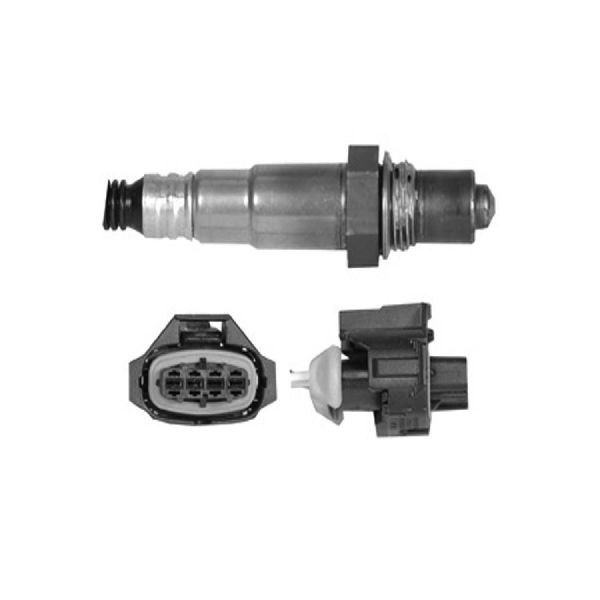
Your Sonic has two different types of O2 sensors. The upstream sensor (Bank 1, Sensor 1) is a wide-band sensor that fine-tunes the air-fuel ratio. The downstream sensor (Bank 1, Sensor 2) is a narrow-band sensor that monitors the catalytic converter's efficiency. They are not interchangeable. Always verify you are buying the correct sensor for the position you are replacing.
Cost of Replacing a Chevrolet Sonic Oxygen Sensor
| Part Type | Estimated Cost |
|---|---|
| DIY Aftermarket Part | $37 - $138 |
| Professional Installation (Labor) | $49 - $72 |
| Total Professional Repair (Aftermarket Part) | $243 - $318 |
Frequently Asked Questions

How many oxygen sensors does a Chevy Sonic have?
Most 2012-2020 Chevrolet Sonics with either the 1.4L or 1.8L engine have two oxygen sensors: one upstream (before the catalytic converter) and one downstream (after the catalytic converter).
Can I replace an oxygen sensor myself?
Yes, this is a DIY-friendly repair for many people. The upstream sensor is usually accessible on the exhaust manifold in the engine bay. The downstream sensor is under the car. You will need a special tool called an O2 sensor socket (typically 22mm) to remove and install it without damaging the wire.
Are there any recalls for the Sonic oxygen sensor?
No. As of early 2026, there are no specific recalls issued by the NHTSA for oxygen sensor failure on the 2012-2020 Chevrolet Sonic.
What's the difference between ACDelco and other brands like Denso?
ACDelco is GM's official parts brand. However, they often source parts from other manufacturers. For many GM vehicles, Denso is the original manufacturer of the oxygen sensor that is put into an ACDelco box. Choosing a Denso or NGK/NTK sensor is often equivalent to getting an OE-quality part.
Do I need to reset the check engine light after replacement?
Yes. After replacing the sensor, the trouble code needs to be cleared from the car's computer. You can do this with an OBD-II code reader. If you don't have one, many auto parts stores offer this service for free. In some cases, the light may go off on its own after several driving cycles, but it's best to clear it manually.
Helpful Videos

Technical Specifications
OEM Part Numbers: 55572215 55574136 55563348 55572993
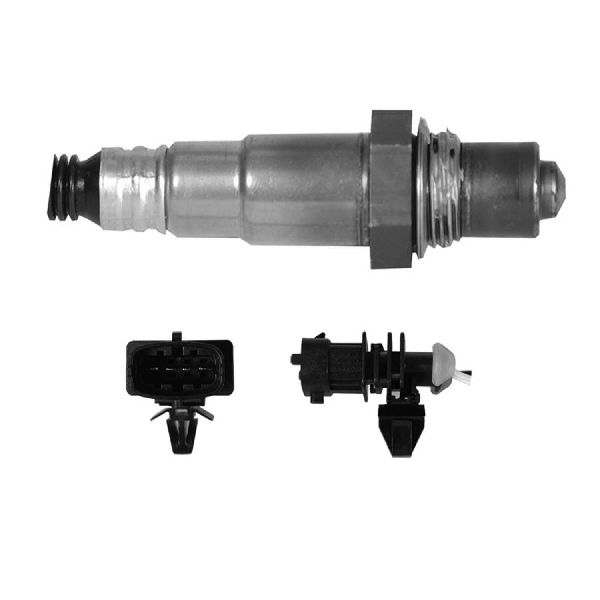
The Chevrolet Sonic uses a 4-wire, heated oxygen sensor. The upstream sensor is a wide-band type, while the downstream is a narrow-band type. Both typically use an M18x1.5 thread and require a 22mm wrench or O2 sensor socket for removal.
We Have This Part in Stock


The information in this article is provided for general reference and educational purposes only. Vehicle specifications, procedures, and part compatibility can vary by production date, trim level, and region. Always consult your vehicle's factory service manual and verify part numbers before purchasing or performing repairs. Safety-critical components such as airbags, seat belts, and braking systems should be installed by a qualified professional.
- Chevrolet Sonic: