

A Guide to the 2012-2020 Chevrolet Sonic VVT Solenoid
Understand why your Sonic is running rough and how to fix the engine's variable valve timing.
- A failing VVT solenoid will cause a rough idle, poor acceleration, and turn on the Check Engine Light.
- The main cause of failure is dirty engine oil; regular oil changes are the best prevention.
- Replacement is an easy DIY task that takes less than 30 minutes with basic tools.
- While budget brands are available, using an OEM (ACDelco) or premium aftermarket part is often recommended for electrical components.
Is Your Sonic's VVT Solenoid Failing?


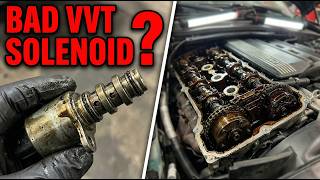
A bad VVT solenoid can make your car feel unpredictable. 🎬 Watch: 5 symptoms of a bad VVT solenoid to look for. The most common reason for failure is old or dirty engine oil. Sludge and debris can clog the tiny screens on the solenoid, preventing it from working correctly. Keeping up with regular oil changes is the best way to protect these parts.
Choosing the Right Aftermarket Solenoid
When shopping for a new VVT solenoid, you'll find several options. They can be grouped into different quality tiers.
- OEM-Equivalent Brands (ACDelco): ACDelco is the original equipment manufacturer for General Motors. Choosing an ACDelco GM Genuine part is the closest you can get to the original part that came with your Sonic. These are known for reliability but are often the most expensive option.
- Premium Aftermarket Brands (NGK, Standard Ignition, Gates): Brands like NGK are known for making high-quality electronic parts that meet or exceed original specifications. They often use durable materials and undergo extensive testing. These are a solid choice for a balance of quality and price.
- Standard Aftermarket Brands (Dorman, Holstein, Rostra): Dorman is a widely available brand that offers a direct-fit replacement. While many users have success with these parts, some mechanics and owners report mixed experiences with the long-term reliability of aftermarket electrical components compared to OEM. These are often the most budget-friendly option.
Pro Tip: Your Sonic has separate VVT solenoids for the intake and exhaust camshafts. While you can replace just the one that failed, it's common practice to replace them in pairs. They have been exposed to the same conditions, and the other may not be far behind.
Installation Notes
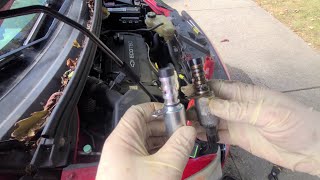
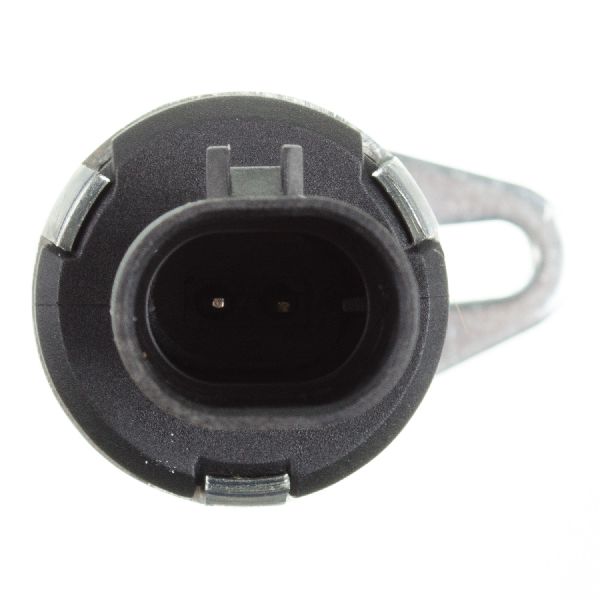
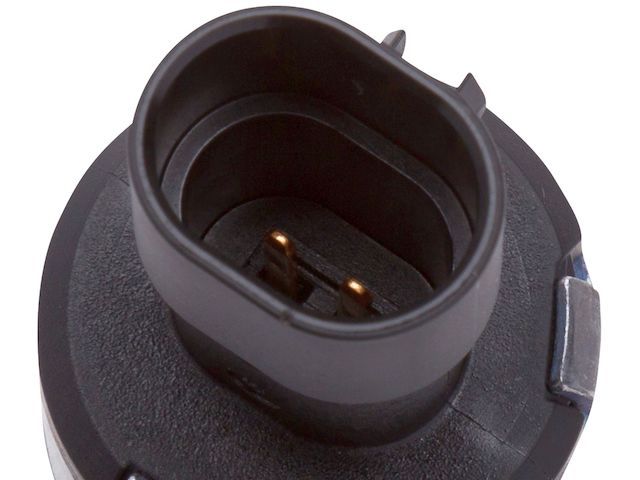
Replacing the VVT solenoids on a 2012-2020 Chevrolet Sonic is a straightforward job that many owners can do themselves. The solenoids are located on the top of the engine and are easy to access. The job typically requires only a few basic tools, including an E8 or E10 inverted Torx socket. The process involves disconnecting the electrical plug, removing a single bolt, and then wiggling the old solenoid out. 🎬 See this step-by-step replacement walkthrough for the Chevy Sonic. Be sure to have a rag handy, as a small amount of oil will spill out.
| Part Tier | Estimated Price (Single Solenoid) |
|---|---|
| OEM-Equivalent (e.g., ACDelco) | $50 - $128 |
| Premium Aftermarket (e.g., NGK, Gates) | $40 - $80 |
| Standard Aftermarket (e.g., Dorman) | $30 - $55 |
Prices are estimates and may vary based on the specific brand and retailer.
Frequently Asked Questions
What are the most common fault codes for a bad VVT solenoid?
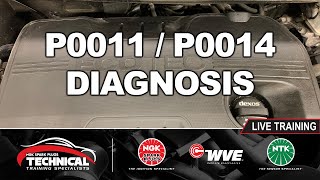
The most common Diagnostic Trouble Codes (DTCs) are P0010 (Intake Camshaft Position Actuator Solenoid Circuit), P0011 (Intake Camshaft Position Timing - Over-Advanced), P0013 (Exhaust Camshaft Position Actuator Solenoid Circuit), and P0014 (Exhaust Camshaft Position Timing - Over-Advanced).
🎬 Watch: How to diagnose these VVT timing codes yourself.Can I just clean my VVT solenoid instead of replacing it?
Some people attempt to clean the solenoids and the screens. While this can sometimes temporarily restore function if the issue is just a minor clog, it's often not a permanent fix. If the solenoid's internal electronic or mechanical parts are failing, cleaning will not solve the problem. Given the low cost of a new part and the importance of its function, replacement is the recommended solution.
Are the intake and exhaust VVT solenoids the same part?
For the Chevrolet Sonic, the intake and exhaust VVT solenoids are often the same part number, but it is critical to verify fitment for your specific vehicle and engine (1.4L or 1.8L). Some aftermarket kits are sold with two identical solenoids. Always check the part description before purchasing.
Were there any recalls for the VVT solenoid on the Chevy Sonic?
No, there have been no specific recalls issued by the National Highway Traffic Safety Administration (NHTSA) for the Engine VVT Solenoids on the 2012-2020 Chevrolet Sonic.
Helpful Videos

Technical Specifications
OEM Part Numbers: 12679099 25195245 55567050 12636175
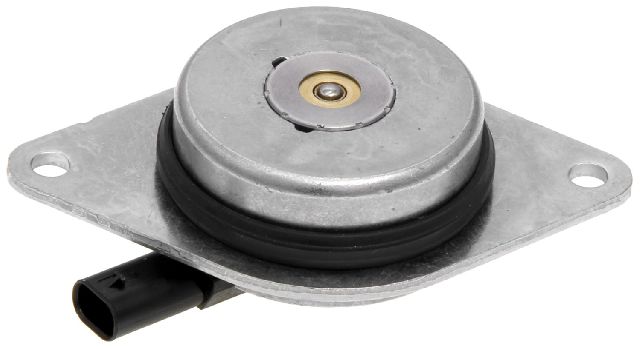
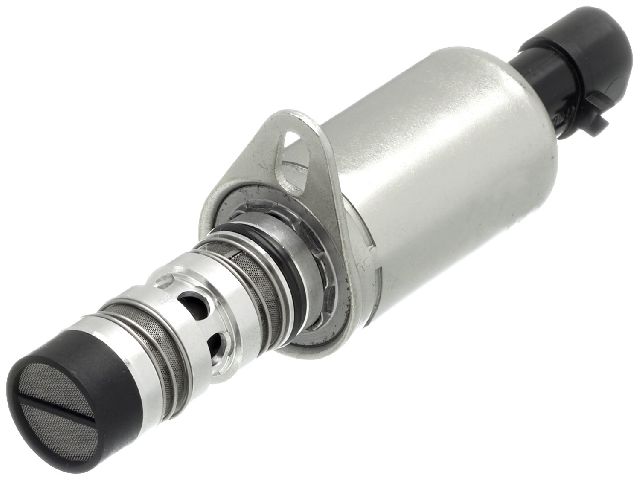
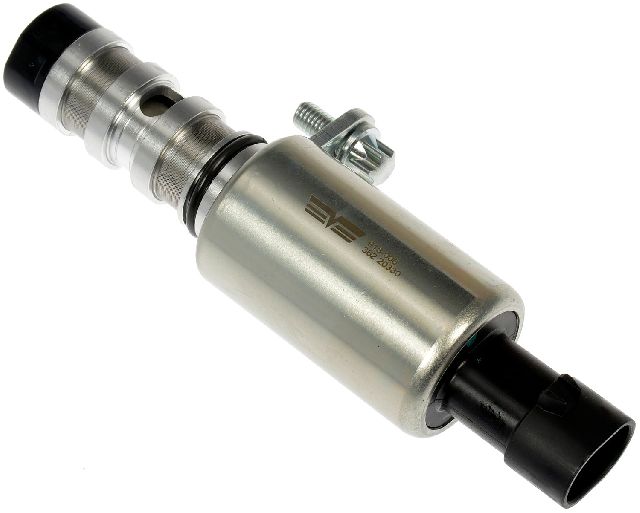
The Chevrolet Sonic is equipped with two VVT solenoids, one for the intake camshaft and one for the exhaust camshaft. They are located on the cylinder head and are held in place by a single E-Torx bolt. The solenoids are electrically controlled and use engine oil pressure to adjust cam timing.
We Have This Part in Stock


The information in this article is provided for general reference and educational purposes only. Vehicle specifications, procedures, and part compatibility can vary by production date, trim level, and region. Always consult your vehicle's factory service manual and verify part numbers before purchasing or performing repairs. Safety-critical components such as airbags, seat belts, and braking systems should be installed by a qualified professional.
- Chevrolet Sonic: