

Chevrolet Sonic Engine Coolant Temperature Sensor: A Complete Guide (2012-2020)
Solving issues like a constantly running radiator fan or incorrect temperature readings on your 2012-2020 Chevrolet Sonic.
- A constantly running radiator fan is a classic sign of a bad engine coolant temperature sensor on a Sonic.
- Your Sonic has two coolant sensors; the one in the thermostat housing is the one that usually causes problems.
- For best results and to avoid repeat repairs, choose a premium OEM-supplier brand like ACDelco or Delphi.
- The replacement is DIY-friendly, but be prepared for some coolant spillage and work in a tight space.
Understanding the Two Coolant Sensors in Your Sonic

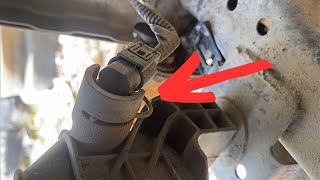
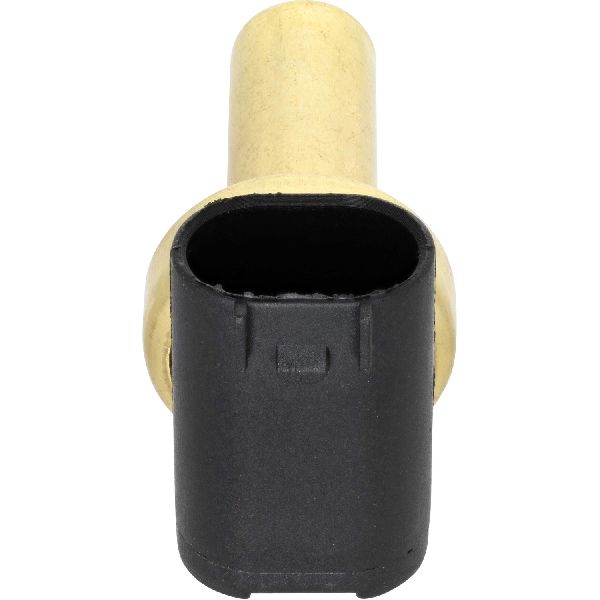
Chevrolet Sonics from 2012-2020 are equipped with two separate coolant temperature sensors. The primary sensor, and the one that most commonly fails and causes noticeable problems, is located in the thermostat housing on the engine block. This is the sensor that provides the main temperature reading to the engine computer. A second sensor is located on the radiator itself, typically on the lower passenger side, and is used by the computer to monitor radiator efficiency. 🎬 See how to locate and replace the second radiator sensor. This guide focuses primarily on the main engine sensor, as it is responsible for the most common symptoms.
Symptoms of a Failing Engine Coolant Temperature Sensor


When the main ECT sensor fails, it sends incorrect information to the engine's computer, leading to a variety of problems. Sonic owners frequently report these specific issues:
- Radiator Fan Runs Constantly: This is one of the most common signs. The computer receives a fault signal (or a signal indicating extreme heat) and runs the fan continuously to protect the engine, even after you turn the car off.
- Check Engine Light: A faulty sensor will trigger the Check Engine Light. Common trouble codes include P0117, P0118, P0116, and P0128. 🎬 Watch this fix for constant fan noise and P0118 codes.
- Engine Overheating or False Overheating Alerts: The sensor might fail to trigger the cooling fan when needed, causing the engine to actually overheat. Conversely, it can send a false "hot" signal, causing overheating warnings on the dash when the engine is at a normal temperature.
- Poor Fuel Economy: If the sensor incorrectly tells the computer the engine is always cold, the computer will maintain a rich fuel mixture, causing you to use more gas.
- A/C Blows Warm Air at Idle: The engine computer may disable the A/C compressor in response to a perceived overheating issue, causing the air to blow warm when the car is stopped.
- Black Smoke from Exhaust: A continuously rich fuel mixture may not burn completely, leading to black smoke from the tailpipe.
Vehicle-Specific Known Issues
While not a sensor issue, be aware that 2012-2014 Sonics with the 1.4L engine were subject to a special coverage program (GM Bulletin 14371) for leaking water pumps. A coolant leak can cause genuine overheating that might be mistaken for a sensor problem. Additionally, GM released a bulletin (20-NA-024) stating that it is normal for these energy-efficient engines to warm up slowly in very cold weather, which is not a sign of a bad sensor.
Choosing the Right Aftermarket Sensor for Your Sonic

When it comes to electronics on your Sonic, brand choice matters. While many options are available, they generally fall into three tiers of quality and reliability.
Tier 1: OEM and Premium OEM-Supplier Brands
These brands are either the original part manufacturer for GM or are known for equivalent quality. They are the most recommended for fitment and long-term reliability.
- ACDelco: As GM's official parts brand, this is the safest choice for a direct, reliable replacement. Both "GM Genuine Parts" and "ACDelco Professional" lines are excellent choices.
- Delphi: Delphi was a part of GM and is a major OEM supplier for sensors and electronics. Their parts are often identical to ACDelco parts and are considered a top-tier alternative.
Tier 2: Reputable Aftermarket Brands
These are well-known brands in the aftermarket with a long history of producing quality components. They offer a good balance of price and performance.
- NGK: Primarily known for spark plugs, NGK also produces high-quality sensors under their NTK brand.
- Standard Ignition (SMP): A long-standing aftermarket manufacturer with a solid reputation for electronic components.
- Hella: A German company known for producing quality electronic and lighting parts for many European and domestic vehicles.
Tier 3: Budget-Friendly Brands
These brands offer the lowest price point but can be a gamble in terms of quality and lifespan. While they may work, user reviews and forum discussions often suggest that cheaper sensors can fail prematurely, leading you to do the job twice.
- URO Parts
- Facet
- Global Parts / True Tech
Pro Tip: Many owners and mechanics recommend spending a few extra dollars for an ACDelco or Delphi sensor to avoid the hassle of a repeat repair in the near future. The labor is the same regardless of the part quality.
Cost of Replacing the Engine Coolant Temperature Sensor
The cost can be broken down into the part itself and labor if you have a shop perform the work.
| Item | Estimated Cost |
|---|---|
| New Aftermarket Sensor | $12 - $50 |
| New OEM (ACDelco) Sensor | $25 - $60 |
| Shop Labor | $75 - $150 |
| Total (Shop Repair) | $90 - $210 |
Frequently Asked Questions
Why is my Sonic's radiator fan always running?
A constantly running radiator fan, especially one that stays on after the car is shut off, is the most common symptom of a failed engine coolant temperature sensor on the Chevy Sonic. The car's computer enters a fail-safe mode to prevent potential overheating, running the fan at full speed. Replacing the sensor usually resolves this issue.
How many coolant temperature sensors does a Chevy Sonic have?
The Chevrolet Sonic has two coolant temperature sensors. The main one, which reports to the ECM for engine management, is in the thermostat housing. A second sensor is located in the radiator and is used for diagnostic purposes. The sensor in the thermostat housing is the one that typically causes drivability problems.
Can I replace the coolant temperature sensor myself?
Yes, this is a DIY-friendly repair for many home mechanics. The sensor is located on the driver's side of the engine in the thermostat housing and is held in by a clip. The main challenges are accessing the sensor in a tight space and minimizing coolant loss. 🎬 Watch this step-by-step guide on replacing the engine sensor. It is best to perform the replacement when the engine is completely cool.
Is it worth paying more for an ACDelco sensor?
For electronic sensors, most technicians and experienced owners recommend using the OEM brand. ACDelco parts are designed specifically for your vehicle and have a much lower failure rate than many budget-friendly aftermarket options. Paying a little more for the part can save you from having to replace it again in a short time.
Helpful Videos





Technical Specifications
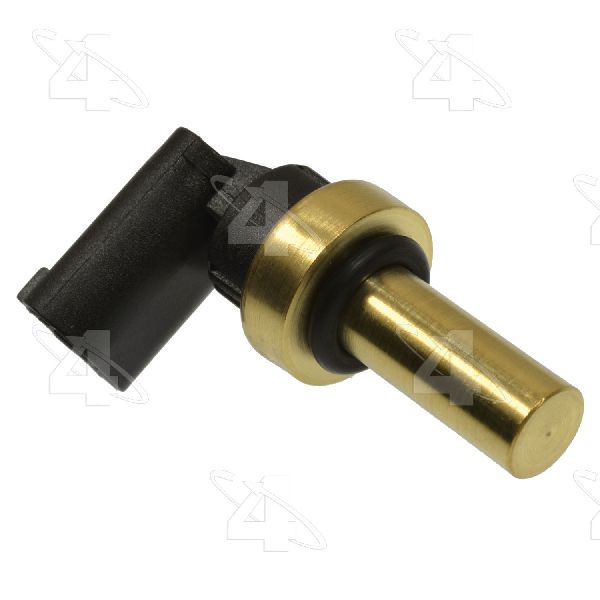
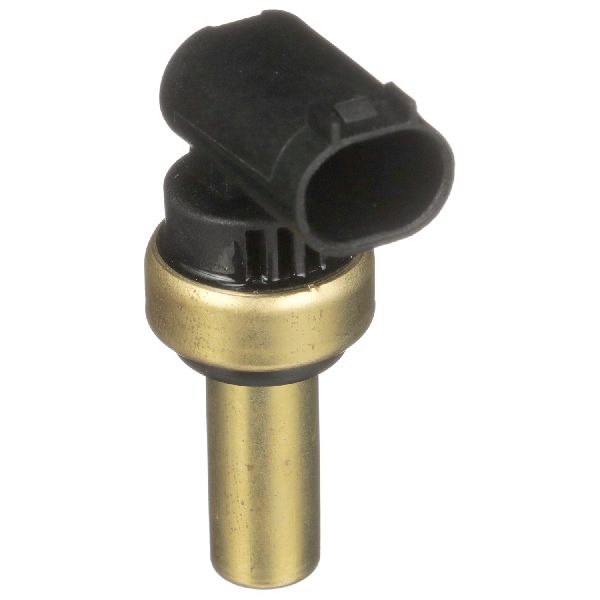
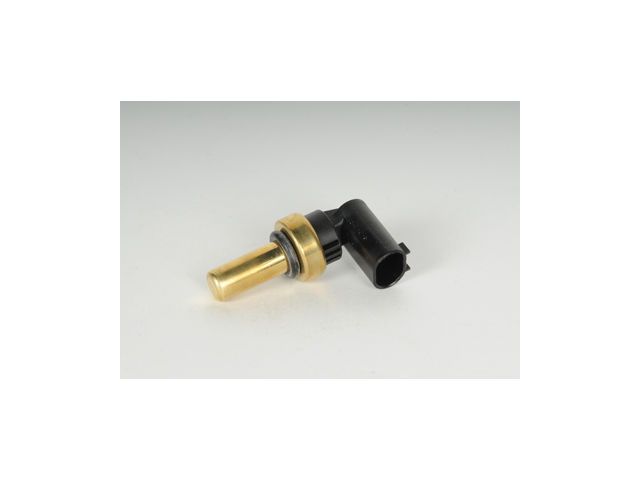
OEM Part Numbers: 55591401 213-4688 55563530 213-4514
The primary sensor is located in the engine's thermostat housing (water outlet) and is secured with a metal clip. The secondary sensor is located in the radiator.
We Have This Part in Stock


The information in this article is provided for general reference and educational purposes only. Vehicle specifications, procedures, and part compatibility can vary by production date, trim level, and region. Always consult your vehicle's factory service manual and verify part numbers before purchasing or performing repairs. Safety-critical components such as airbags, seat belts, and braking systems should be installed by a qualified professional.
- Chevrolet Sonic: