

Volkswagen Beetle Oxygen Sensor Guide (2012-2019)
Everything you need to know about replacing the oxygen sensors on your 2012-2019 VW Beetle.
- A bad O2 sensor will trigger the Check Engine Light and cause poor fuel economy, rough running, and failed emissions tests.
- For best results, use a direct-fit sensor from an OEM-supplier brand like Bosch, NGK, or Denso to avoid compatibility issues with your Beetle's computer.
- Your Beetle has at least two sensors (upstream and downstream); a diagnostic code scan is required to identify which one has failed.
- Ignoring a failed O2 sensor can lead to expensive catalytic converter damage.
Understanding Oxygen Sensor Failure in Your Beetle

An oxygen sensor is a wear-and-tear item that typically lasts between 60,000 and 90,000 miles. Over time, exposure to high exhaust temperatures, contaminants like oil or coolant, and carbon buildup can cause it to fail. When it does, your Beetle's engine computer receives incorrect information, leading to a host of noticeable problems.
Symptoms of a Bad Oxygen Sensor

The most obvious sign of a failing O2 sensor is an illuminated Check Engine Light on your dashboard. Other common symptoms include:
- Reduced Fuel Economy: The engine may run "rich," using more fuel than necessary because the computer can't properly regulate the mixture.
- Rough Idle and Misfires: An incorrect air-fuel ratio can cause the engine to idle erratically, hesitate, or misfire.
- Rotten Egg Smell: A failing sensor can lead to a rich fuel mixture, which can overwhelm the catalytic converter and produce a sulfur-like smell from the exhaust.
- Failed Emissions Test: A bad O2 sensor directly impacts your car's emissions, often causing it to fail state-mandated tests.
Don't Ignore the Signs
Driving for an extended period with a bad oxygen sensor can lead to more severe and expensive problems, including permanent damage to your catalytic converter. Replacing a catalytic converter is significantly more costly than replacing an O2 sensor.
Upstream vs. Downstream Sensors

Your Beetle has at least two oxygen sensors. It's crucial to identify which one needs replacing.
- Upstream Sensor (Bank 1, Sensor 1): Located before the catalytic converter, this sensor is responsible for air-fuel mixture control. It's often called an Air/Fuel Ratio Sensor and is typically a more complex (and expensive) wide-band sensor.
- Downstream Sensor (Bank 1, Sensor 2): Located after the catalytic converter, this sensor's job is to monitor the converter's efficiency. It checks if the converter is successfully reducing harmful emissions.
Choosing the Right Aftermarket Oxygen Sensor

For Volkswagen vehicles, sticking with brands that are Original Equipment (OE) suppliers is often the safest bet. While cheaper options exist, they can sometimes cause compatibility issues with the sensitive engine computer (ECU).
Aftermarket Brand Tiers for VW Beetle
| Tier | Brands | Quality & Notes |
|---|---|---|
| Tier 1 (OEM Supplier) | Bosch, NGK, Denso | Bosch is a primary OE supplier for Volkswagen and is often considered the go-to replacement. NGK and Denso are also top-tier manufacturers known for their reliability and performance that meets or exceeds OE specifications. These are the most recommended choices for a trouble-free repair. |
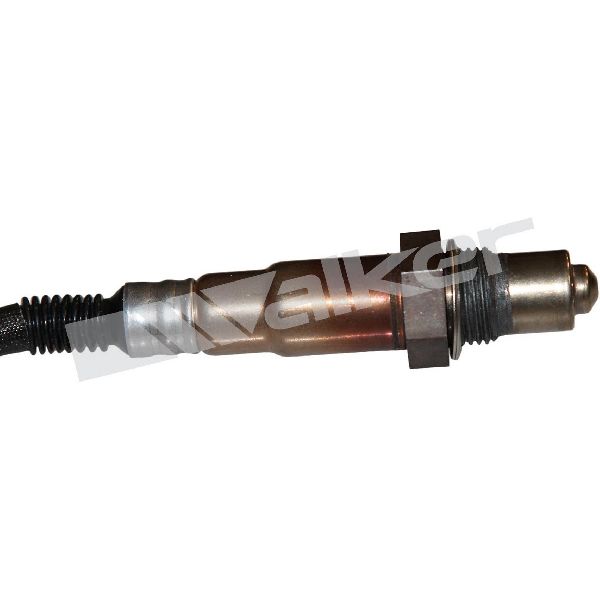
| Tier 2 (Quality Aftermarket) | Walker Products, Delphi, Vemo | These brands offer a good balance of quality and value. They are reputable manufacturers that produce reliable sensors, though they may not be the original supplier for your specific vehicle. They are a solid choice if a Tier 1 brand is not available or is outside your budget. |
| Tier 3 (Value Brands) | DriveWire, Spectra, Facet | These brands provide a budget-friendly option. While they can function correctly, their longevity and the precision of their readings may not match that of higher-tier brands. They are best suited for older, higher-mileage vehicles or when budget is the primary concern. |
Pro Tip: Direct-Fit vs. Universal
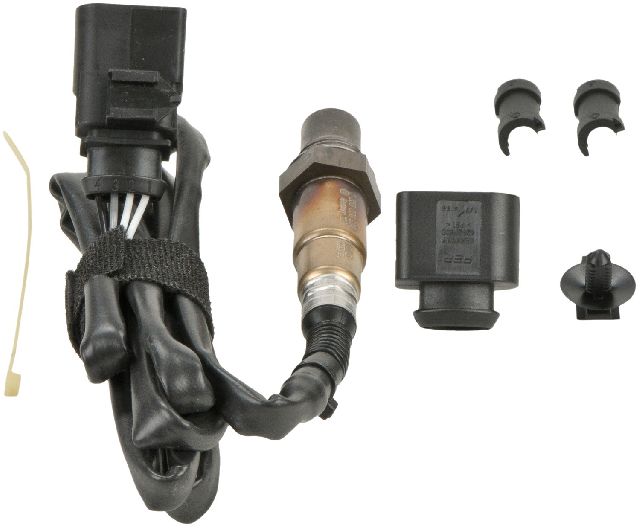
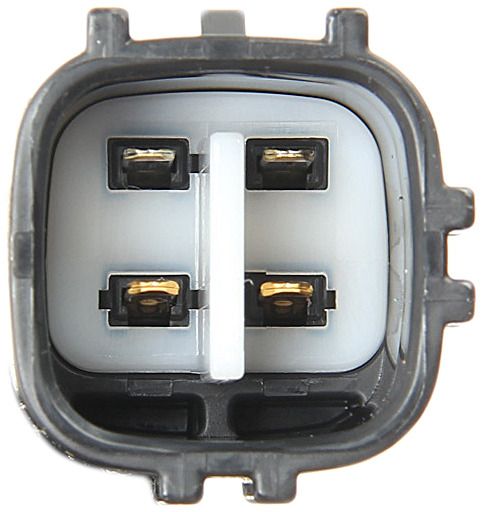
Always choose a "direct-fit" sensor. These come with the correct electrical connector for your Beetle, making installation a simple plug-and-play process. 🎬 Watch this step-by-step guide on replacing your Beetle's oxygen sensor. "Universal" sensors require you to cut and splice wires, which can create a point of failure and is not recommended.
Frequently Asked Questions

How many oxygen sensors does my 2012-2019 Beetle have?
Most 2012-2019 Beetle models with 4-cylinder engines (like the 1.8T, 2.0T, and 2.5L) have two oxygen sensors: one upstream (before the catalytic converter) and one downstream (after the catalytic converter). Always verify the specific number for your engine, as some configurations can vary.
Can I replace just one oxygen sensor?
Yes. You only need to replace the sensor that has failed. A diagnostic scan tool will provide a specific trouble code (e.g., P0130 for Bank 1 Sensor 1) that points to the faulty sensor. There is no need to replace them in pairs.
Can I clean my oxygen sensor instead of replacing it?
While some online sources suggest cleaning an O2 sensor, it is not a reliable or recommended repair. The sensing element is delicate, and contamination often penetrates the sensor's internal components. Replacement is the only long-term solution for a failed sensor.
Are there any recalls for the oxygen sensor on my Beetle?
As of late 2024, there are no open safety recalls specifically for oxygen sensor failure on the 2012-2019 Volkswagen Beetle according to NHTSA searches. However, a service campaign (24CV) was issued for some 2012-2014 TDI models that involved an oxygen sensor inspection and potential replacement. Always check with a dealer for any applicable service actions for your specific VIN.
Helpful Videos
Technical Specifications
OEM Part Numbers: 1K0-998-262-E 1K0-998-262-N 06K906262N 06K906262G
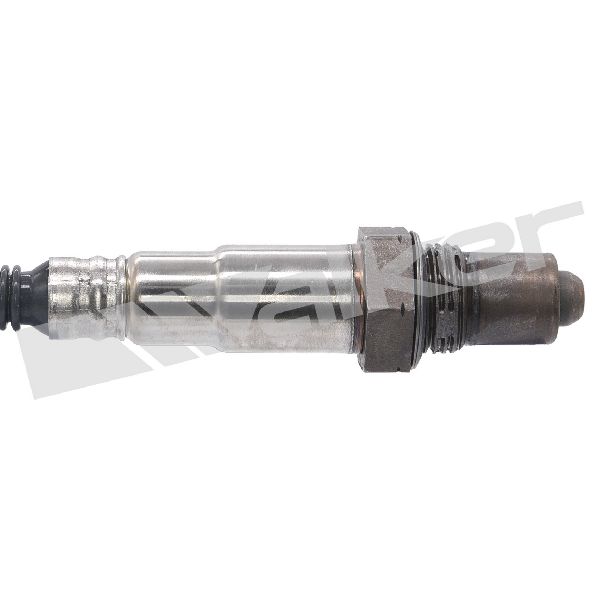
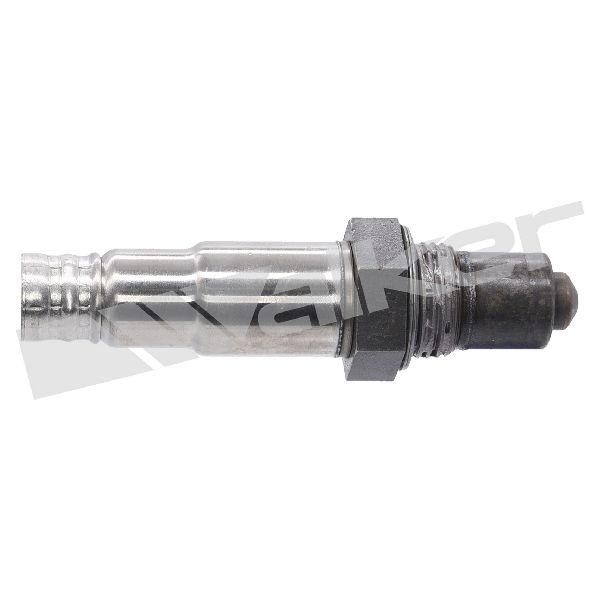
Most models use a 4-wire or 5-wire heated sensor. The upstream sensor is typically a wide-band type, while the downstream is a narrow-band type. Thread size is commonly M18x1.5. Always confirm the part number for your specific engine (2.5L, 1.8T, 2.0T TDI).
We Have This Part in Stock


The information in this article is provided for general reference and educational purposes only. Vehicle specifications, procedures, and part compatibility can vary by production date, trim level, and region. Always consult your vehicle's factory service manual and verify part numbers before purchasing or performing repairs. Safety-critical components such as airbags, seat belts, and braking systems should be installed by a qualified professional.
- Volkswagen Beetle: