

A Guide to the Alternator on Your 2012-2019 Kia Rio
Here’s what you need to know about diagnosing a failing alternator and choosing the right new aftermarket part for your Rio.
- Alternator failure on the 2012-2019 Rio is typically from normal wear, not a specific vehicle defect.
- Before buying, you must confirm your car's required amperage (e.g., 90A, 110A) and whether it has the Idle Stop & Go (ISG) feature.
- For best results, choose a premium aftermarket brand like Bosch, Denso, or Valeo, which offer OEM-level quality.
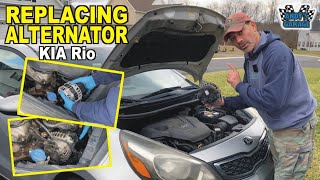
- Replacement is a manageable DIY job for many owners, as the alternator is easily accessible at the top of the engine.
Is the Kia Rio Alternator Prone to Failure?

Based on owner reports and repair data, the alternator in the 2012-2019 Kia Rio does not have a reputation for premature or unusual failures. When it does fail, it is typically due to normal wear and tear after many years and miles of service. The original alternators can last well over 100,000 miles, but factors like high electrical loads and harsh climates can shorten their lifespan. Common failures are usually due to worn-out internal bearings, which cause noise, or a failed voltage regulator, which stops it from charging the battery correctly.
Choosing the Right Aftermarket Alternator for Your Rio

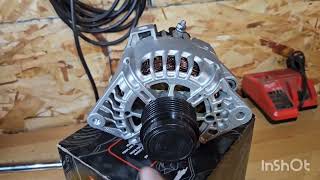
When you shop for a new aftermarket alternator, you'll find a wide range of brands and prices. They generally fall into two quality tiers. Remember that the original OEM manufacturer for many Kia Rio alternators is Valeo.
Premium Brands (OEM Quality & Fit)
These brands are known for manufacturing high-quality parts that meet or exceed the original factory specifications. They are the best choice for long-term reliability and performance.
- Bosch: A top-tier manufacturer with a global reputation for quality electrical components.
- Denso: Often the original supplier for many automakers, Denso parts are widely respected for their reliability and long life.
- Valeo: As the original equipment manufacturer for the Rio, a new Valeo alternator is the closest you can get to the part your car was built with.
- Mando: A primary OEM supplier for Hyundai and Kia, Mando is another excellent choice for a factory-quality fit and function.
Standard / Value Brands
These brands offer a more budget-friendly option and are widely available. While many provide good service, they can have more inconsistent quality control compared to premium brands. User reviews for these are often mixed.
- WAI Global: A popular aftermarket brand. Some units include a testing sheet to verify performance, but some users have reported noise or early failure.
- Remy: A long-standing brand in the aftermarket, now owned by BBB Industries. Reviews are mixed, with some reports of early bearing failure.
- MPA (Quality-Built): Motorcar Parts of America sells alternators under the Quality-Built brand, emphasizing that their parts are tested to meet OEM standards.
- BBB Industries: A large remanufacturer that supplies many store brands. Quality can be inconsistent.
Important: Check Your Specs!
Before you buy, you must verify two things. First, check the required amperage. Kia Rios came with different alternators (e.g., 90 amp, 110 amp). Second, check if your car has an Idle Stop & Go (ISG) feature, as this requires a specific type of alternator. Using the wrong one can cause charging problems or damage your electrical system. Always use your vehicle's VIN to confirm the exact part you need.
Known Issues, Recalls, or TSBs

There are no active recalls or Technical Service Bulletins (TSBs) from Kia or the NHTSA that specifically address alternator failure on the 2012-2019 Kia Rio. While a safety recall exists for a potential fire risk from the Hydraulic Electronic Control Unit (HECU), this issue is unrelated to the alternator.
Pro Tip: Test Your Battery First
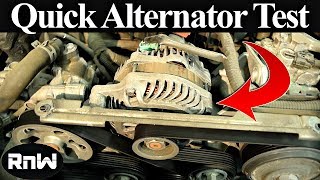
A weak or dead battery has the same symptoms as a failing alternator. Before you spend money on a new alternator, have your battery tested at an auto parts store. A battery that can't hold a charge will make a good alternator seem faulty.
Frequently Asked Questions (FAQ)

How do I know if my Kia Rio's alternator is failing?
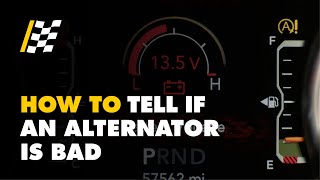
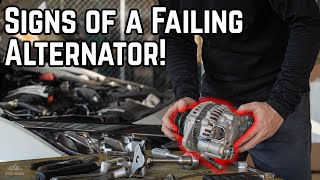
Common signs include a red battery warning light on your dashboard, headlights that dim at idle, whining or grinding noises from the engine, and a battery that repeatedly dies. Eventually, the car will fail to start.
Is an OEM or aftermarket alternator better for my Rio?
An OEM alternator offers guaranteed compatibility and quality but at a high price. A premium aftermarket alternator from a brand like Bosch, Denso, or Valeo can provide the same level of quality and reliability for a lower cost, offering the best overall value.
Can I drive my car with a bad alternator?
No. A failing alternator isn't recharging the battery. Your car will run on battery power alone for a short time (often just a few minutes) before the electrical system shuts down and the engine stalls, leaving you stranded.
Is replacing the alternator a DIY job?
For a moderately skilled DIYer, yes. The alternator is located at the top front of the engine and is relatively easy to access. The job requires basic hand tools to loosen the tensioner, remove the belt, and unbolt the unit.
Helpful Videos


Technical Specifications
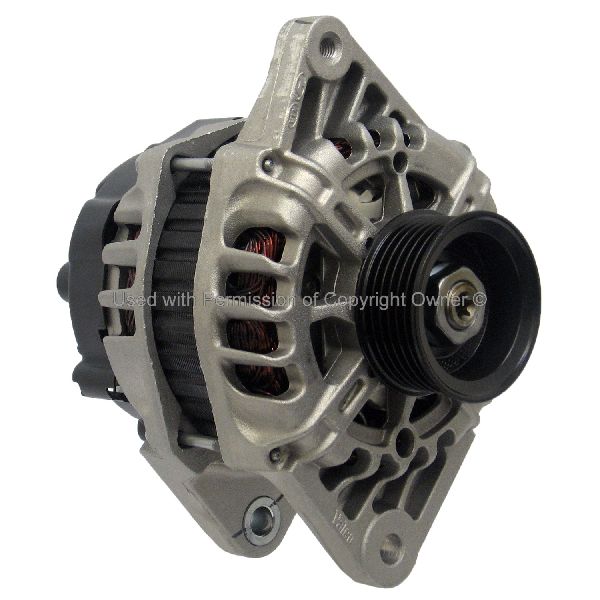
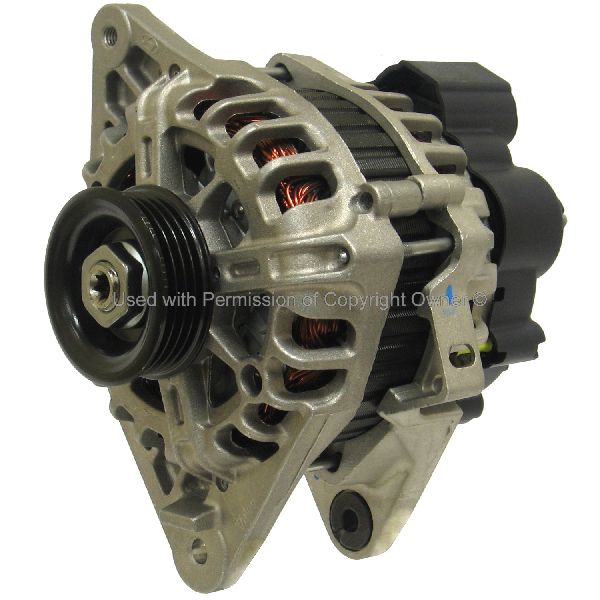
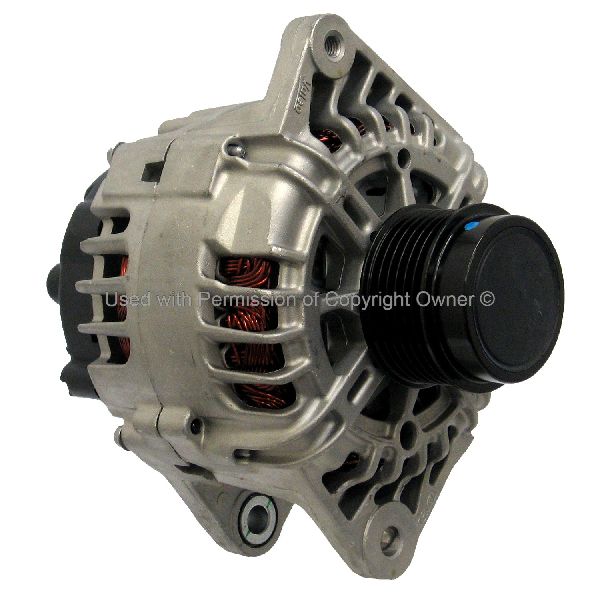
OEM Part Numbers: 37300-2B600 37300-2B610
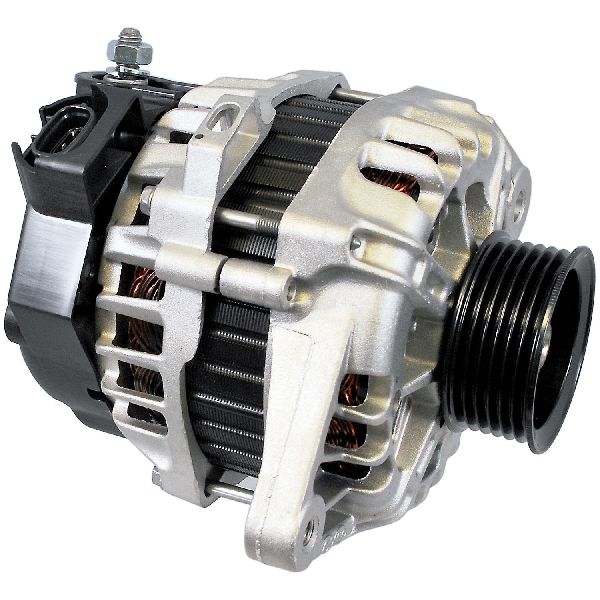
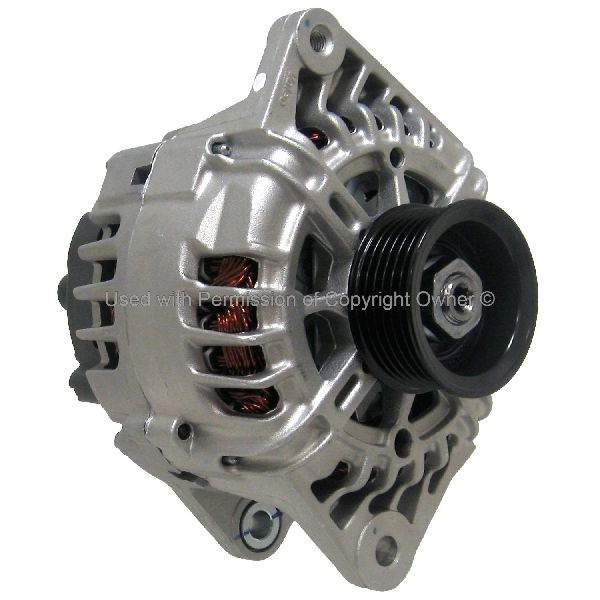
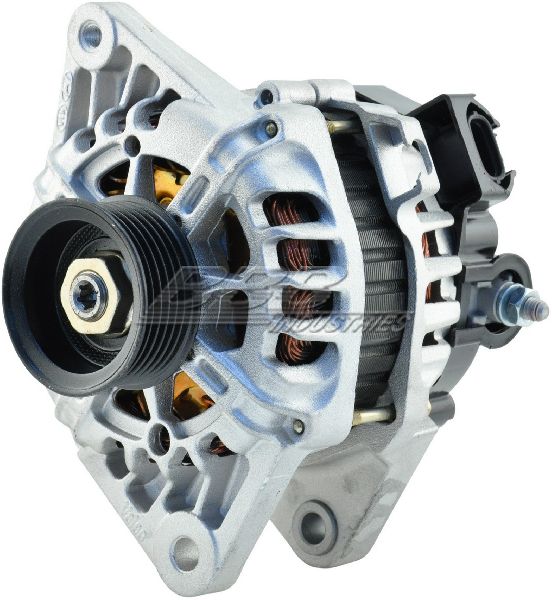
Amperage: 90A, 110A, or 130A. Pulley: 6-Groove Serpentine. Voltage: 12V. Note: Specific models for Idle Stop & Go (ISG) systems exist.
We Have This Part in Stock

The information in this article is provided for general reference and educational purposes only. Vehicle specifications, procedures, and part compatibility can vary by production date, trim level, and region. Always consult your vehicle's factory service manual and verify part numbers before purchasing or performing repairs. Safety-critical components such as airbags, seat belts, and braking systems should be installed by a qualified professional.
- Kia Rio: