

A Ford Explorer Owner's Guide to Engine Valve Cover Gasket Sets (2012-2019)
Leaking oil or smelling something burning? Your Explorer's valve cover gaskets may be the culprit.
- A burning oil smell is the #1 symptom of a failing valve cover gasket on an Explorer.
- For 3.5L V6 models, expect significantly higher labor costs if the rear gasket needs replacement, as the intake manifold must be removed.
- On 2.0L or 2.3L EcoBoost engines, a gasket leak may be caused by a failed PCV valve, which requires replacing the entire valve cover.
- For a reliable, stock repair, choose a quality aftermarket brand like Victor Reinz or Fel-Pro.
Is Your Ford Explorer Leaking Oil? Signs of a Bad Valve Cover Gasket

A failing valve cover gasket is one of the most common oil leaks on any vehicle, including the 2012-2019 Ford Explorer. Because the gaskets are made of rubber, they become hard, brittle, and crack over time from constant exposure to engine heat. When this happens, they can no longer create a proper seal. Here are the most common symptoms:
- Burning Oil Smell: This is the most frequent sign. Oil drips from the leaking gasket onto the hot exhaust manifold below, burning off and creating a distinct, unpleasant smell that you may notice inside or outside the vehicle.
- Visible Oil Leaks: You may see wet, oily residue or grime built up on the valve cover itself or on the side of the engine block.
- Low Engine Oil: A steady leak will cause your engine oil level to drop over time, potentially triggering the low oil light on your dashboard.
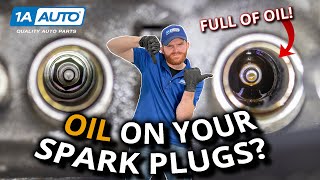
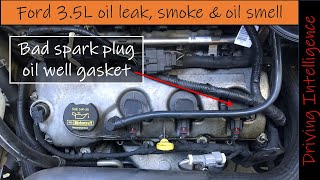
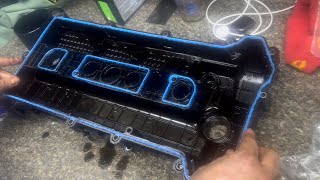
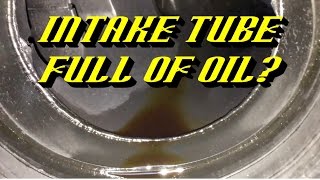
- Engine Misfires or Rough Idle: The gasket set includes seals for the spark plug tubes. If these seals fail, oil can fill the tubes, fouling the spark plugs and ignition coils. 🎬 Watch: How to diagnose and fix leaking spark plug tube seals. This can cause a rough idle, poor acceleration, and may trigger the check engine light.
Known Issues for 2012-2019 Ford Explorers

When replacing valve cover gaskets on this generation of Explorer, there are a few engine-specific issues to be aware of:
3.5L V6: Rear Gasket and Internal Water Pump
On the popular 3.5L V6 engine, replacing the rear valve cover gasket (the one closer to the firewall) is significantly more difficult and costly than the front one. This is because the entire upper intake manifold must be removed to access it. While you're in there, it's a good time to inspect for other issues. Be aware of the notorious internal water pump on this engine. A failure can leak coolant into the oil, causing catastrophic engine damage. If you see milky oil, address the water pump immediately.
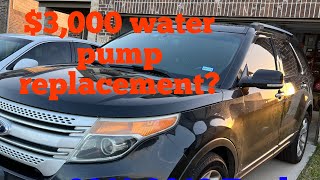
🎬 See this walkthrough of the 3.5L V6 internal water pump replacement.2.0L & 2.3L EcoBoost: Integrated PCV Valve
On many EcoBoost engines, the Positive Crankcase Ventilation (PCV) valve is built directly into the plastic valve cover and is not sold as a separate part. If the PCV valve fails, it can cause excessive pressure to build up inside the engine, forcing oil out past an otherwise good gasket. If you have a failed PCV valve, you must replace the entire valve cover assembly, not just the gasket.
🎬 Watch: Step-by-step valve cover gasket replacement for 2.0L EcoBoost engines.Choosing the Right Aftermarket Gasket Set

You don't need to buy from the dealer to get a quality part. Aftermarket brands often provide excellent quality, sometimes exceeding OEM standards. Here’s a look at the available brands:
- Tier 1: OEM-Quality (Victor Gaskets/Victor Reinz, Elring): These brands are often original equipment manufacturers for Ford and other major automakers. They are known for high-quality materials and precise fitment. Victor Reinz, in particular, is well-regarded for its sealing technology and is considered a top-tier choice for a reliable, long-lasting repair.
- Tier 2: Trusted Aftermarket (Fel-Pro): Fel-Pro is a household name in the repair world for a reason. Their gaskets are designed for the "real-world repair environment," meaning they often feature designs that help seal imperfect surfaces, which is common on older engines. They are a dependable and cost-effective choice for a DIY or professional repair.
- Tier 3: Performance-Focused (Cometic Gasket): Cometic specializes in high-performance gaskets, often using multi-layer steel (MLS) technology. While excellent for racing or high-boost applications, they can be less forgiving on a stock engine. They require perfectly flat and clean mating surfaces for a good seal. For a standard daily-driven Explorer, this brand is likely unnecessary and may not be the most reliable choice without extra surface preparation.
Valve Cover Gasket Replacement Cost for 2012-2019 Ford Explorer

The cost can vary dramatically based on which engine your Explorer has and whether you are replacing just the front or both gaskets.
| Part/Service | Estimated Cost | Notes |
|---|---|---|
| New OEM Gasket Set | $50 - $80 | Based on an individual gasket price of around $26. You will need two for the V6. |
| New Aftermarket Gasket Set | $38 - $55 | This is the typical price range for a quality aftermarket kit from brands like Victor Reinz or Fel-Pro. |
| Shop Labor | $250 - $750+ | Labor is the biggest factor. A simple front gasket on a V6 or a 4-cylinder job is on the lower end. Replacing the rear gasket on a V6 is on the high end due to the need to remove the intake manifold. |
| Total Professional Replacement | $300 - $800+ | Combining parts and labor for a professional job. |
Frequently Asked Questions (FAQ)
Can I just tighten the valve cover bolts to stop the leak?
No, this is not recommended. The bolts have a specific torque specification (usually very low, around 89 inch-pounds) and are designed to hold a good gasket in place. Overtightening them can crack the plastic valve cover or crush the old, brittle gasket, making the leak even worse.
Do I need to use RTV sealant with the new gasket?
Yes, but only in specific spots. A small dab of oil-resistant RTV silicone sealant is typically required where the engine timing cover meets the cylinder head. The new gasket will lay over these joints. The sealant fills these tiny gaps to prevent leaks. Do not apply sealant around the entire gasket.
Should I replace the spark plugs at the same time?
This is an excellent time to do it. On the V6, the intake manifold has to be removed for the rear gasket, giving you easy access to the rear spark plugs, which are otherwise very difficult to reach. If you find oil in the spark plug tubes, you must clean it out and replace the plugs and potentially the ignition coil boots.
Why did my new gasket leak?
The most common reasons for a new gasket to leak are improper surface preparation (not cleaning off all the old oil and gasket material), failing to use RTV sealant at the cover joints, or an underlying issue like a failed PCV valve on EcoBoost models causing excessive engine pressure.
Helpful Videos
Technical Specifications
OEM Part Numbers: FG1Z-6584-A
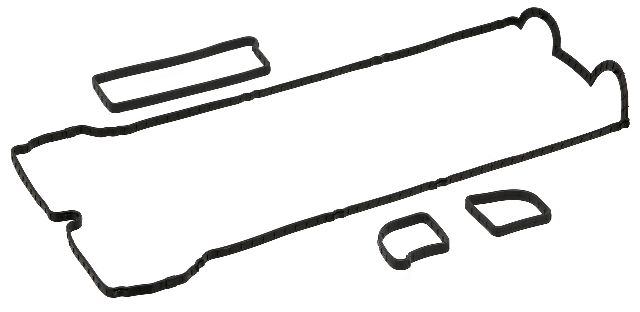
Set includes perimeter gaskets and spark plug tube seals. Material is typically a high-quality molded rubber. Sealant is required at timing cover joints.
We Have This Part in Stock


The information in this article is provided for general reference and educational purposes only. Vehicle specifications, procedures, and part compatibility can vary by production date, trim level, and region. Always consult your vehicle's factory service manual and verify part numbers before purchasing or performing repairs. Safety-critical components such as airbags, seat belts, and braking systems should be installed by a qualified professional.
- Ford Explorer: