

Dodge Challenger Engine Oil Pressure Switch Guide (2012-2019)
Understanding the common failures, symptoms, and best replacement options for your Challenger's oil pressure switch.
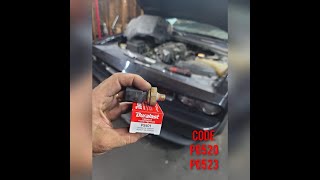
- A faulty oil pressure switch is a common issue, especially on 2013-2014 models which have a TSB for code P0520.
- Key symptoms are the oil warning light, check engine code P0520, and visible oil leaks from the sensor itself.
- Never ignore an oil pressure warning; always stop the engine and check the oil level immediately.
- Replacement on the 3.6L V6 is significantly harder than on the V8s due to its location under the intake manifold.
Is a Failing Oil Pressure Switch a Big Deal?

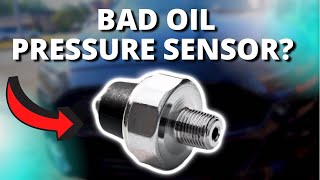
Yes, it is. A faulty switch can either fail to warn you of a real low-oil-pressure problem, leading to severe engine damage, or it can give false warnings, causing unnecessary stress and diagnostic costs. Common symptoms include an illuminated oil pressure warning light, a check engine light with code P0520, or an oil pressure gauge that reads zero, maxes out, or fluctuates wildly. 🎬 Watch this video to see common bad oil pressure sensor symptoms. One of the most common failure points on these Dodge engines is the switch itself leaking oil, sometimes through the electrical connector, which can damage the wiring harness.
Immediate Action Required
If your oil pressure warning light comes on, you should stop the vehicle as soon as it is safe to do so and turn off the engine. Driving with low oil pressure can destroy your engine in a very short amount of time. Always check your oil level first. If the level is correct, the problem is likely the sensor or a more serious internal issue that requires professional diagnosis.
Known Issues for 2012-2019 Dodge Challenger

For 2013-2014 Challengers, Chrysler issued Technical Service Bulletin (TSB) 18-034-14. This TSB addresses a faulty engine oil pressure sensor circuit that triggers the diagnostic trouble code (DTC) P0520. The solution is to replace the original sensor with a revised part. While not a formal recall for all vehicles in the range, it acknowledges a known defect in the original sensors for those model years. Additionally, some 2017 Challengers with the 6.2L Supercharged engine were recalled for oil cooler lines that could separate, causing a rapid loss of oil, though this is a separate issue from the switch itself.
Choosing the Right Aftermarket Switch

When replacing the oil pressure switch, you have a choice between OEM (Mopar) and several aftermarket brands. Here’s a breakdown to help you decide:
- Mopar (OEM): This is the original equipment manufacturer. It guarantees a perfect fit but is often the most expensive option. Given that the original part is subject to a TSB for early models, some owners opt for high-quality aftermarket alternatives.
- Standard Ignition (SMP): Widely regarded as a top-tier aftermarket brand, Standard Motor Products often produces parts that meet or exceed OEM quality. They are a reliable choice for sensors and electronics.
- Walker Products: With a long history in fuel and engine management parts, Walker is another strong contender, committed to meeting or exceeding OEM standards.
- Crown Automotive: While well-known in the Jeep community, Crown provides parts for Dodge as well. They are generally considered a budget-friendly option, but quality can sometimes be inconsistent compared to premium brands.
- Holstein: Holstein parts are designed to meet OEM specifications and offer a cost-effective alternative. User reviews are generally positive, citing good fit and function.
OEM vs. Aftermarket: The Verdict
For a critical sensor like this, saving a few dollars on a low-quality part isn't worth the risk. A faulty aftermarket sensor can fail prematurely, leading you to do the job twice. While Mopar is a safe bet, a premium aftermarket brand like Standard Ignition or Walker Products often provides the same level of reliability for a lower price. Avoid the cheapest options unless you are prepared for potential issues with fitment or longevity.
Frequently Asked Questions (FAQ)

Can I replace the oil pressure switch myself?
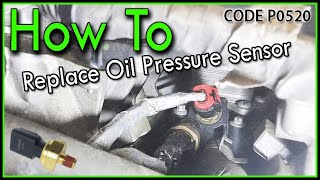
Yes, for many DIY mechanics, this is a feasible job. On the 5.7L HEMI, the switch is located near the alternator, which may need to be loosened for access. On the 3.6L V6, it is located at the back of the engine under the intake manifold, making it much more difficult to access. Special tools like a 27mm oil pressure switch socket are required. The difficulty ranges from moderate (V8) to difficult (V6) due to tight spaces.
What does the code P0520 mean?
P0520 stands for "Engine Oil Pressure Sensor/Switch Circuit Malfunction." It means the engine's computer has detected a problem with the signal from the sensor. This could be caused by a bad sensor, a wiring issue, low oil level, or a failing oil pump.
Why is my oil light still on after replacing the sensor?
If a new sensor doesn't fix the problem, you may have a different issue. Check for oil leaking into the electrical connector, as this can ruin the new sensor or prevent a good connection. The wiring itself could be damaged. Most importantly, you could have a real mechanical problem causing low oil pressure, such as a failing oil pump, which requires immediate professional attention. One Reddit user noted that even after replacement, the code persisted, pointing to a potential wiring or computer (TIPM) issue.
Should I change my oil when I replace the switch?
It's a good idea. You will lose some oil when you remove the old switch, so it's a convenient time to perform an oil and filter change. This also ensures the engine is filled with fresh, clean oil at the correct level, eliminating that as a potential cause of your pressure issues.
Helpful Videos
Technical Specifications
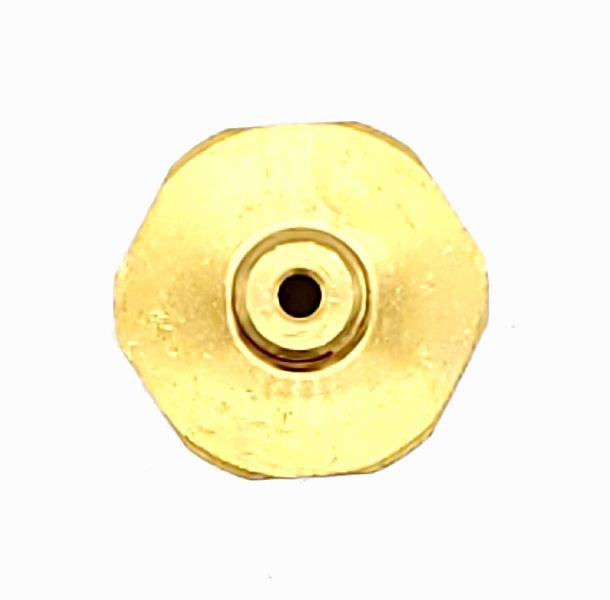
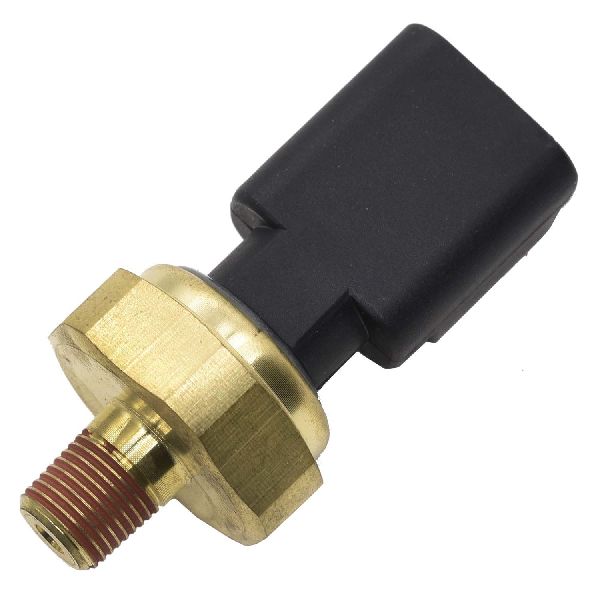
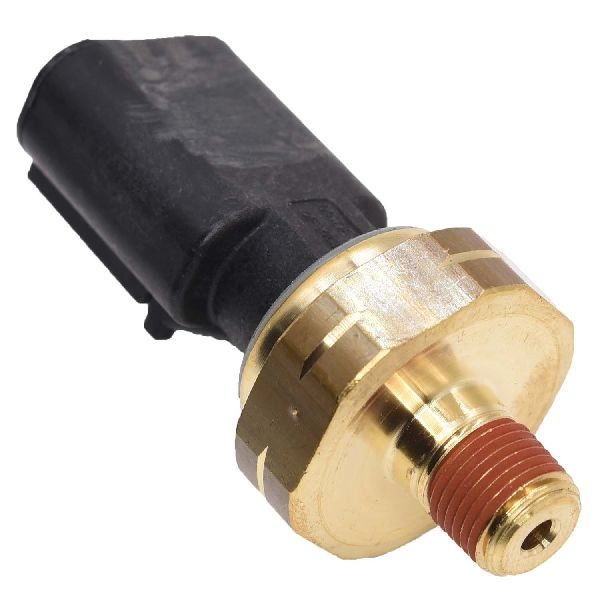
OEM Part Numbers: 68334877AA 05149062AB
Requires a special 27mm oil pressure switch socket for removal and installation.
We Have This Part in Stock


The information in this article is provided for general reference and educational purposes only. Vehicle specifications, procedures, and part compatibility can vary by production date, trim level, and region. Always consult your vehicle's factory service manual and verify part numbers before purchasing or performing repairs. Safety-critical components such as airbags, seat belts, and braking systems should be installed by a qualified professional.
- Dodge Challenger: