

Volkswagen Jetta Mass Air Flow Sensor Guide (2012-2018)
Having engine trouble with your Jetta? A faulty Mass Air Flow sensor could be the culprit.
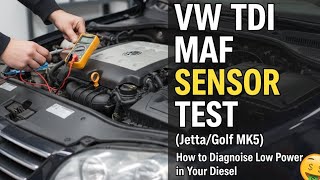
- A failing MAF sensor causes check engine lights (P0101), rough idle, poor acceleration, and bad gas mileage.
- For a reliable repair, choose an OEM-supplier brand like Bosch, Hitachi, or Delphi; cheap sensors often cause problems.
- Replacement is a very easy DIY job, requiring only a screwdriver and about 15 minutes.
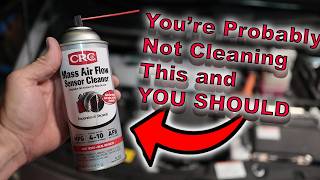
- Before replacing, try cleaning the sensor with dedicated MAF sensor cleaner as a first step.
Is Your Jetta's MAF Sensor Failing?

A bad Mass Air Flow (MAF) sensor can cause a lot of headaches for a 2012-2018 Volkswagen Jetta owner. When this part fails, it sends incorrect information to your engine's computer, leading to a poor air-fuel mixture. This can cause everything from annoying drivability issues to a scary stall in traffic. Ignoring the signs can even lead to damage to other expensive parts, like your catalytic converter.
Choosing the Right Aftermarket MAF Sensor
When replacing the MAF sensor on a German car like your Jetta, the quality of the replacement part matters—a lot. The engine's computer is finely tuned to the specific signal from the original factory sensor. While many cheap aftermarket options are available, they often cause more problems than they solve. Forum users and mechanics frequently report that ultra-cheap sensors can be dead on arrival or provide incorrect readings, leading to persistent check engine lights and performance problems.
Pro Tip: Before you buy a new sensor, try cleaning the old one. Sometimes, dirt and oil from the air filter can coat the sensor's delicate wire and cause bad readings. You must use a dedicated MAF sensor cleaner spray; other chemicals like brake cleaner will destroy the sensor. If cleaning doesn't solve the problem, replacement is the next step.
Aftermarket Brand Tiers for Your Jetta
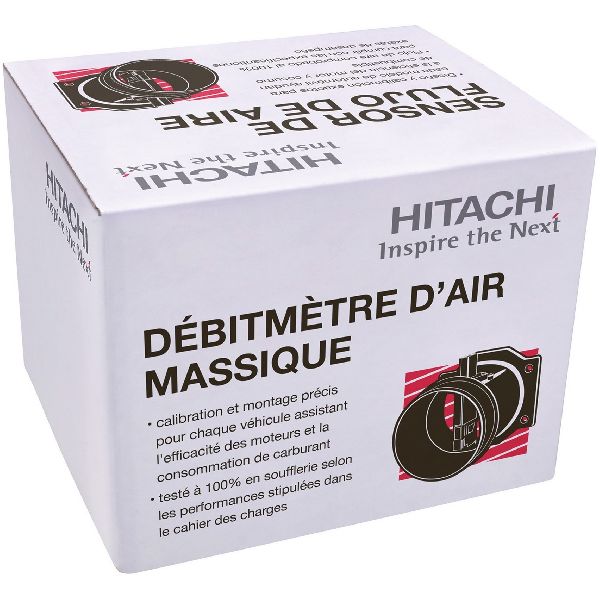
- Tier 1: OEM Supplier Brands (Bosch, Hitachi, Delphi): Bosch is often the Original Equipment Manufacturer (OEM) for Volkswagen. Choosing a Bosch sensor is the closest you can get to buying the part from a VW dealer without the high price tag. Hitachi and Delphi are also highly respected OEM suppliers known for their quality and reliability. For a sensitive part like the MAF, sticking with these brands is your safest bet for a lasting repair.
- Tier 2: Reputable Aftermarket Brands (NGK, Hella, Spectra, Standard Ignition): These brands are well-known in the aftermarket and generally produce reliable parts. While they may not be the original supplier to VW, they have a reputation for quality control and performance that is a significant step up from generic, no-name brands.
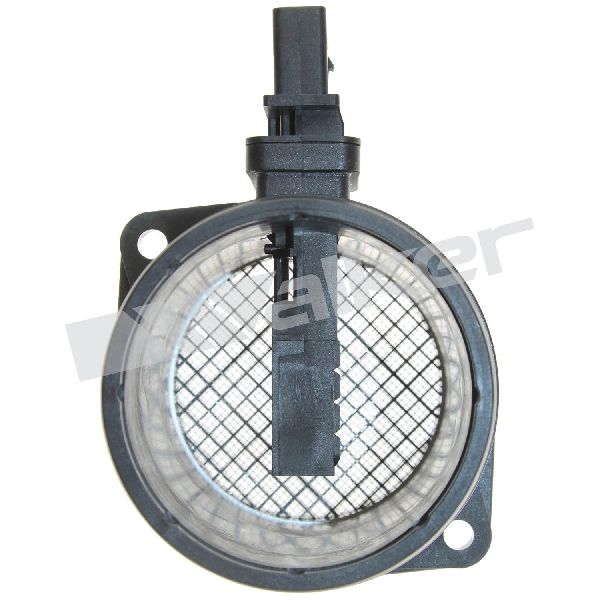
- Tier 3: Economy Brands (Cardone, DriveWire, Walker Products, Vemo): These brands offer the most budget-friendly options. While they can be tempting, be aware that the quality can be inconsistent. A sensor from one of these brands might work perfectly, or it could fail prematurely or cause subtle performance issues. They are best considered a temporary fix or a gamble.
Warning: Avoid unbranded, "white-box" sensors from online marketplaces. Many Jetta owners have shared experiences of these parts failing immediately or causing persistent engine codes, costing them more time and money in the long run.
What Will a Replacement Cost?

Replacing the MAF sensor is a very simple job you can do at home with basic tools. A repair shop will likely charge for 30 minutes to an hour of labor for the diagnosis and replacement.
| Part Type | Estimated Cost |
|---|---|
| New Aftermarket MAF Sensor | $93 - $262 |
| New OEM (Dealer) MAF Sensor | $250 - $400+ |
| Shop Labor | $75 - $150 |
Frequently Asked Questions (FAQ)

Can I drive my Jetta with a bad MAF sensor?
Yes, but it's not recommended for long. Your car may go into a "limp-home mode" with reduced power. Continued driving can lead to poor fuel economy, stalling, and potential damage to other engine components.
Where is the MAF sensor located on my 2012-2018 Jetta?
The MAF sensor is located in the air intake tube, between the air filter box and the engine's throttle body. It is typically held in place by two screws (often Torx-style) and has an electrical connector attached.
What tools do I need to replace the MAF sensor?
You will usually only need a screwdriver (often a Torx T20 or T25 bit) and possibly a pair of pliers for a hose clamp. The job is very straightforward and can typically be done in under 15 minutes.
Are there any recalls or TSBs for the Jetta MAF sensor?
No specific recalls were found for the MAF sensor itself on 2012-2018 Jetta models. However, Volkswagen has issued Technical Service Bulletins (TSBs) related to MAF sensor diagnostics, which instruct technicians to check for things like dirty air filters, intake leaks, and loose connector pins before replacing the sensor.
Helpful Videos
Technical Specifications
OEM Part Numbers: 06J906461D 06J906461B
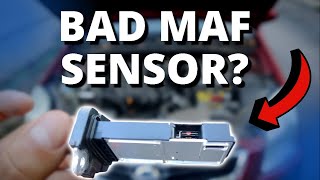
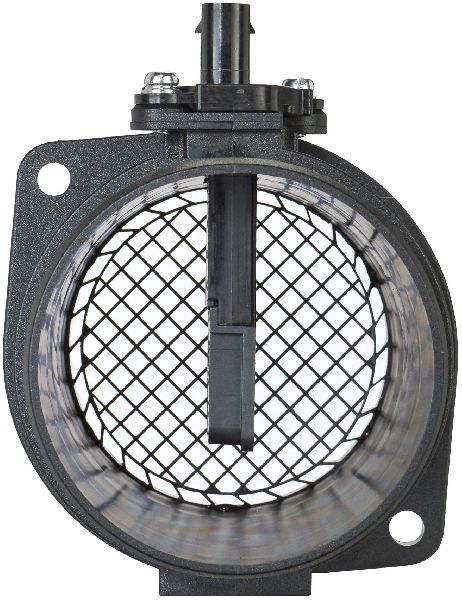
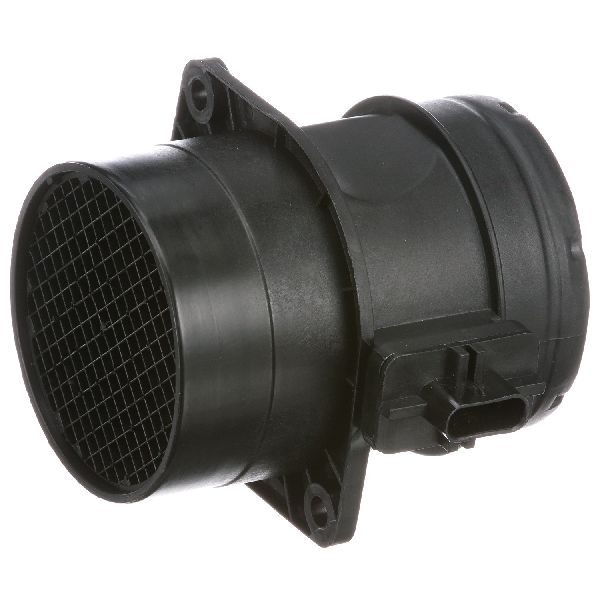
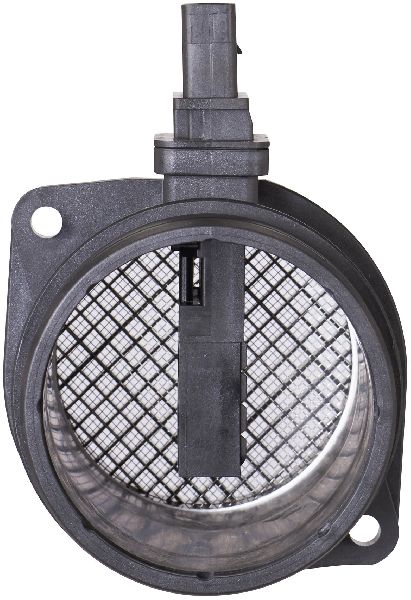
The MAF sensor for the 2012-2018 Jetta is typically a 'hot-wire' type sensor element housed in a plastic body that mounts to the air filter housing. It uses a multi-pin electrical connector to communicate with the ECU. Some models may require a tamper-proof Torx bit for removal.
We Have This Part in Stock


The information in this article is provided for general reference and educational purposes only. Vehicle specifications, procedures, and part compatibility can vary by production date, trim level, and region. Always consult your vehicle's factory service manual and verify part numbers before purchasing or performing repairs. Safety-critical components such as airbags, seat belts, and braking systems should be installed by a qualified professional.
- Volkswagen Jetta: