

A Guide to the 2012-2018 Toyota Prius V Mass Air Flow Sensor
Learn about common MAF sensor problems in your Prius V and how to choose the right aftermarket replacement.
- Denso is the original equipment (OE) manufacturer for the Prius V; choosing Denso ensures a perfect fit and performance.
- Before replacing the sensor, always try cleaning it with a dedicated MAF sensor cleaner spray, as this often resolves the issue.
- Replacement is extremely easy and takes less than 15 minutes with only a Phillips screwdriver, making it an ideal DIY repair.
- Avoid the cheapest no-name sensors, as the Prius V's sensitive hybrid system may not perform well with an improperly calibrated part.
Understanding Mass Air Flow Sensor Failure in Your Prius V

The Mass Air Flow (MAF) sensor is vital for the efficiency your Prius V is known for. It uses a hot wire to measure the air entering the engine, helping the computer maintain the perfect air-fuel ratio. When this sensor gets dirty or fails, it sends wrong information, leading to poor fuel economy, rough idling, and other engine issues. Since the Prius V's hybrid system is finely tuned, even a small problem with the MAF sensor can cause noticeable problems.
Can I still drive with a bad MAF sensor?
Yes, but it's not recommended for long. Your car will likely go into a "limp mode" with reduced power. You'll experience poor fuel economy, rough performance, and hesitation. Driving for too long with a bad sensor could even damage your catalytic converter due to the incorrect air-fuel mixture.
Symptoms of a Failing MAF Sensor


A bad MAF sensor can mimic other engine problems, but there are a few common signs to look for in your Prius V:
- Check Engine Light: This is the most common sign. The error code is often P0101, which means the sensor's readings are out of the expected range. Other related codes can include P0102 (Circuit Low) and P0171 (System Too Lean).
- Poor Fuel Economy: If the sensor is faulty, the engine might run "rich" (too much fuel), causing you to fill up more often.
- Rough Idle and Stalling: Your Prius V may idle erratically, surge, or even stall when you come to a stop.
- Hesitation or Lack of Power: The car might feel sluggish or jerk when you accelerate. This happens because the engine computer is getting bad data and can't respond correctly.
Try Cleaning It First!
Before you buy a new sensor, try cleaning the old one. Oil and dirt can build up on the sensor's wire over time. You can buy a special MAF sensor cleaner spray at any auto parts store. The sensor is easy to access on the air filter box. Just remove the two screws, unplug the connector, and carefully spray the cleaner on the small wires inside. Let it dry completely before reinstalling. This simple step often solves the problem.
🎬 Watch this guide on removing and cleaning your MAF sensor.Choosing the Right Aftermarket MAF Sensor

When replacing your MAF sensor, you don't have to buy the expensive OEM part from the dealer. However, you should be careful with very cheap, no-name options, as the Prius V's engine computer is sensitive to sensor accuracy. Poorly calibrated sensors can lead to continued problems.
Brand Quality Tiers
- OEM / Premium Aftermarket (Highest Quality): Denso is the Original Equipment Manufacturer (OEM) for Toyota, meaning they made the part that was installed in your Prius V at the factory. Choosing a Denso sensor guarantees a perfect fit and correct calibration. Brands like NGK and Delphi are also top-tier suppliers known for their quality electronics and are excellent alternatives.
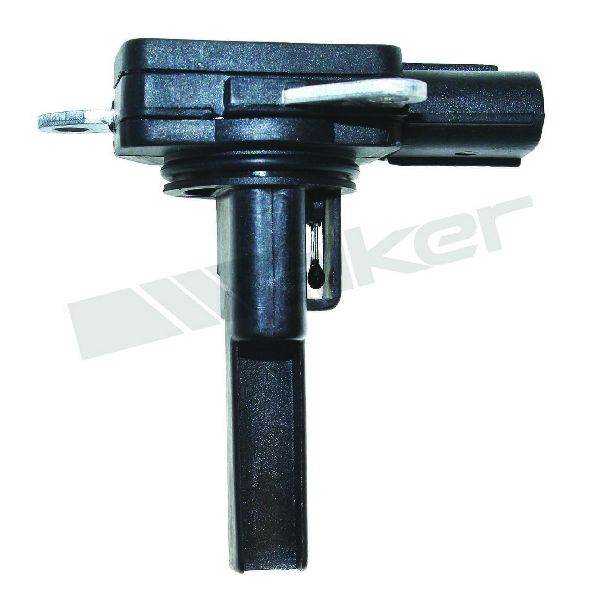
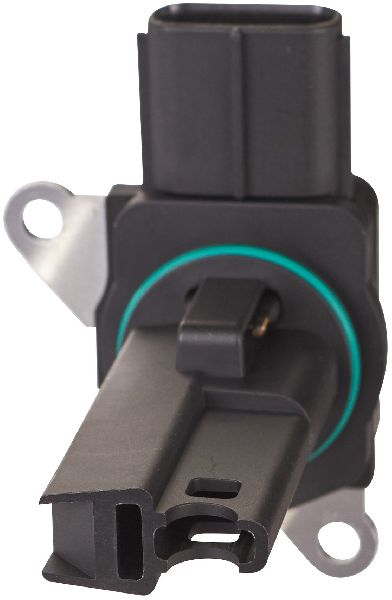
- Quality Aftermarket (Reliable & Recommended): Brands like Walker Products, Spectra, and Standard Ignition (SMP) offer a good balance of quality and price. They are well-known in the aftermarket and produce reliable sensors that meet or exceed OEM specifications.
- Economy / Remanufactured (Use with Caution): Brands like Cardone (often remanufactured) and other budget-friendly options like Skyward or Hella can be a bit of a gamble. While they offer savings, some forum users report issues with calibration and longevity with cheaper sensors. A remanufactured Cardone part can be a good value if it's properly tested, but a new sensor from a more reputable brand is often a safer bet.
Cost of Replacing a MAF Sensor (2012-2018 Toyota Prius V)
| Part Type | Estimated Cost |
|---|---|
| New OEM (Dealer) | $205 - $319 |
| New Aftermarket | $67 - $212 |
| Shop Labor | $37 - $54 |
| Total Professional Replacement (Aftermarket Part) | $104 - $266 |
Note: Costs are estimates and can vary by location and specific part chosen. The replacement is very simple and can be done by a DIYer in under 15 minutes. 🎬 See how easy it is to replace the sensor yourself.
Frequently Asked Questions
Where is the MAF sensor located on a 2012-2018 Prius V?
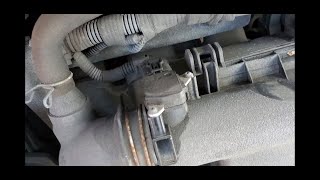
The MAF sensor is located on top of the air filter housing in the engine bay. It is held in by two Phillips head screws and has an electrical connector plugged into it. It's very easy to access.
Is this a difficult part to replace myself?
No, this is one of the easiest repairs you can do. You only need a Phillips head screwdriver. The entire job takes less than 15 minutes, making it a great DIY task to save money on labor.
Are there any recalls for the Prius V MAF sensor?
No, there are no specific recalls for the Mass Air Flow sensor on the 2012-2018 Toyota Prius V. There have been recalls for the hybrid inverter and software, but these are not related to the MAF sensor.
Will a cheap MAF sensor really hurt my Prius V?
It can. The Prius hybrid system needs very precise data to run efficiently. A sensor that is not calibrated correctly can cause a persistent Check Engine Light, poor fuel economy, and could potentially lead to more expensive repairs, like a damaged catalytic converter, over time.
Helpful Videos


Technical Specifications
OEM Part Numbers: 22204-37010 22204-0V010 22204-0V020 22204-28010
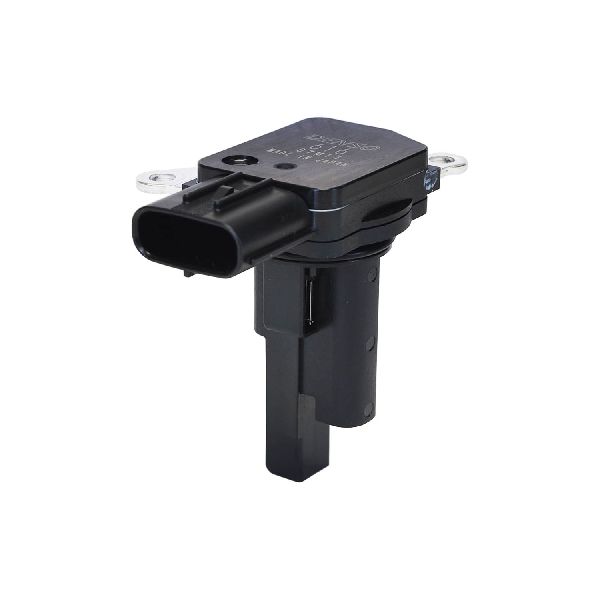
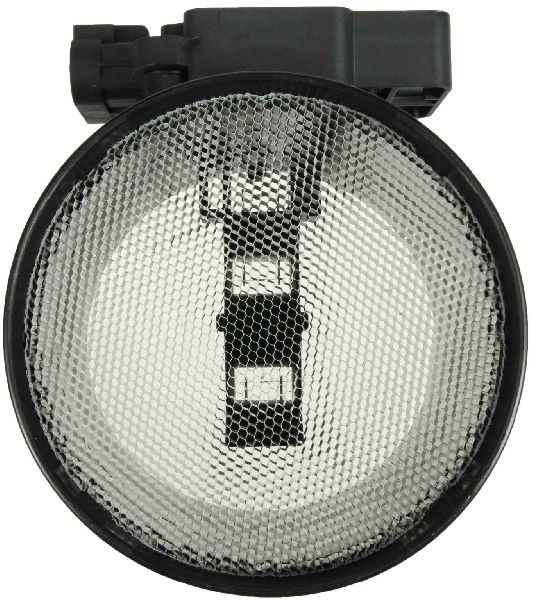
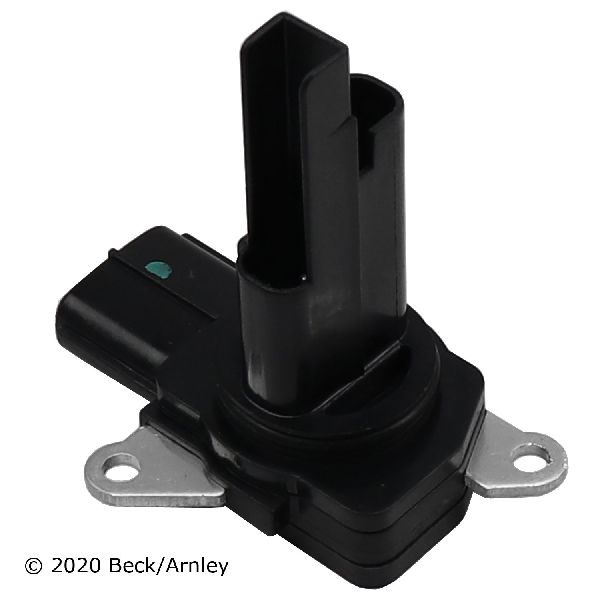
The sensor is a 'plug-in' or 'sensor-only' type, meaning it does not include the housing. It mounts directly into the air cleaner assembly with two screws and uses a 5-pin electrical connector.
We Have This Part in Stock


The information in this article is provided for general reference and educational purposes only. Vehicle specifications, procedures, and part compatibility can vary by production date, trim level, and region. Always consult your vehicle's factory service manual and verify part numbers before purchasing or performing repairs. Safety-critical components such as airbags, seat belts, and braking systems should be installed by a qualified professional.
- Toyota Prius V: