

Toyota Highlander Engine Intake Manifold Gasket Set Guide (2012-2018)
Fixing a rough idle or check engine light on your Highlander? Your intake manifold gaskets might be the cause.
- Symptoms are caused by a vacuum leak, not a coolant leak, on this specific Highlander engine.
- A hissing sound from the engine and a rough idle are classic signs of a failed intake gasket.
- This is a labor-intensive repair, so using high-quality gaskets (OEM, Beck Arnley, Victor Reinz) is recommended to avoid repeat work.
- Always replace all intake gaskets (upper and lower) if the manifold is removed for any reason.
Is Your Highlander Running Rough? It Could Be an Intake Gasket.
If your 2012-2018 Toyota Highlander has developed a rough idle, poor acceleration, or a mysterious hissing sound, a failing intake manifold gasket is a likely suspect. These gaskets are made of rubber and plastic and can become hard and brittle over time, losing their ability to seal properly. This creates a vacuum leak, where extra, unmeasured air gets sucked into the engine. This disrupts the precise air-to-fuel ratio the engine's computer expects, leading to a variety of performance issues. Fortunately, this is a common wear-and-tear item and replacing the gaskets can restore your engine's performance.
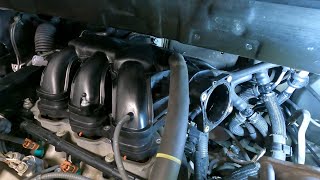
🎬 Watch: Step-by-step guide to replacing your intake manifold gasket.No Recalls, But a Common Failure
Searches of the NHTSA database and for Technical Service Bulletins (TSBs) show no specific recalls or TSBs for intake manifold gasket failures on the 2012-2018 Highlander. The issue is typically a result of normal aging of the gasket material, not a manufacturing defect.
Choosing the Right Aftermarket Gasket Set
Since replacing these gaskets requires significant labor, it's smart to choose a quality part to avoid doing the job twice. While OEM gaskets from Toyota are always a safe bet, several reputable aftermarket brands offer excellent quality and value. Here’s a breakdown of the brands available:
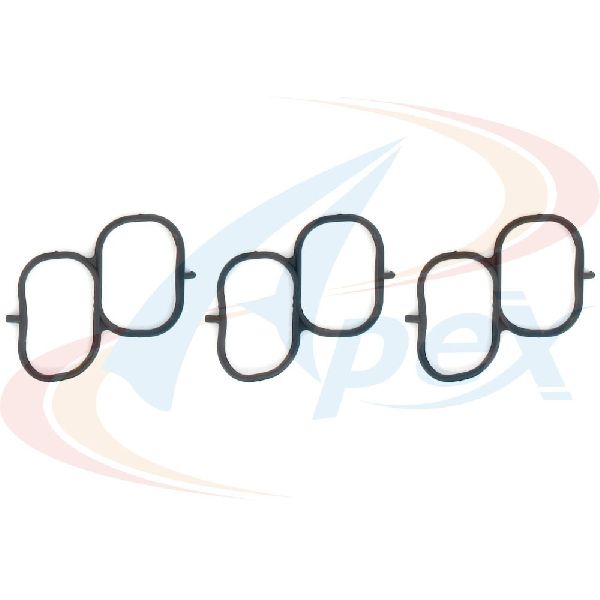
- Premium Aftermarket (Beck Arnley, Victor Gaskets/Victor Reinz): These brands have a strong reputation. Beck Arnley is known for sourcing parts that meet or exceed original equipment specifications, sometimes even re-packaging the exact same part the dealer sells. Victor Reinz is a well-known OEM supplier for many European brands and is considered a high-quality choice. For a critical, labor-intensive job like this, spending a little more on a premium brand is a wise investment.
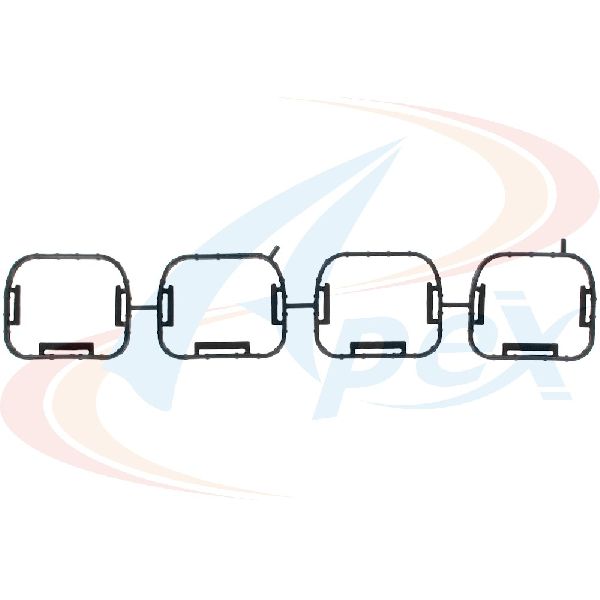
- Standard Aftermarket (Apex): Apex is a standard aftermarket brand offering a balance of quality and price. It can be a good option if you're on a tighter budget but still want a reliable part.
- Economy Aftermarket (DNJ Engine Components): DNJ is typically viewed as a budget-friendly brand. While it can save you money upfront, for a repair this labor-intensive, most mechanics would recommend a brand with a longer track record for longevity.
Pro Tip: Replace, Don't Reuse
The intake manifold gaskets on your Highlander are designed for one-time use. They crush and conform to the shape of the parts when tightened. Never reuse old gaskets, even if the manifold was only removed for a short time. Always install a new set to guarantee a perfect seal.
Cost to Replace Intake Manifold Gaskets (2012-2018 Toyota Highlander)
| Item | Estimated Cost |
|---|---|
| OEM Gasket Set (Upper & Lower) | $60 - $110 |
| Aftermarket Gasket Set | $21.24 - $79.82 |
| Shop Labor | $500 - $800 |
| Total Estimated Cost (Shop Repair) | $550 - $900 |
Cost estimates are for reference only and may vary based on your location, the specific shop, and the parts chosen.
Frequently Asked Questions
What's the difference between upper and lower intake gaskets?
The 3.5L V6 engine has a two-piece intake manifold. The "upper" gasket, often called a plenum gasket, seals the plastic upper intake (surge tank) to the lower aluminum manifold. The "lower" gaskets seal the aluminum lower manifold to the two cylinder heads. When one fails, it's best practice to replace all of them at the same time since the upper manifold must be removed to access the lower ones.
Is this a difficult DIY job?
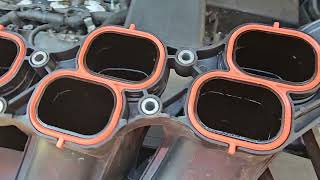
For an experienced DIY mechanic, this is a manageable but time-consuming job, estimated to take 3-5 hours. It requires removing the air intake assembly, throttle body, upper intake manifold, and fuel rail. Access to some bolts, particularly at the back of the engine, can be tricky. 🎬 See this helpful tip for reaching those difficult rear bolts. If you are not comfortable with a job of this complexity, it is best left to a professional mechanic.
🎬 Watch: A detailed walkthrough of the upper plenum removal process.Will a bad intake gasket cause a coolant leak on my Highlander?
No. On the 2012-2018 Highlander's 3.5L V6 engine, the intake manifold is designed only for air distribution and does not have coolant passages running through it. Therefore, a failing intake gasket will cause a vacuum (air) leak, not a coolant leak. If you have a coolant leak, the problem lies elsewhere.
How long should an intake manifold gasket last?
There is no set replacement interval. Original gaskets can last well over 100,000 miles. Failure is typically due to age and the countless heat cycles the engine endures, which cause the gasket material to become hard and brittle.
Helpful Videos

Technical Specifications
OEM Part Numbers: 17176-0P021 17176-31130 17177-0P021 17177-0P030
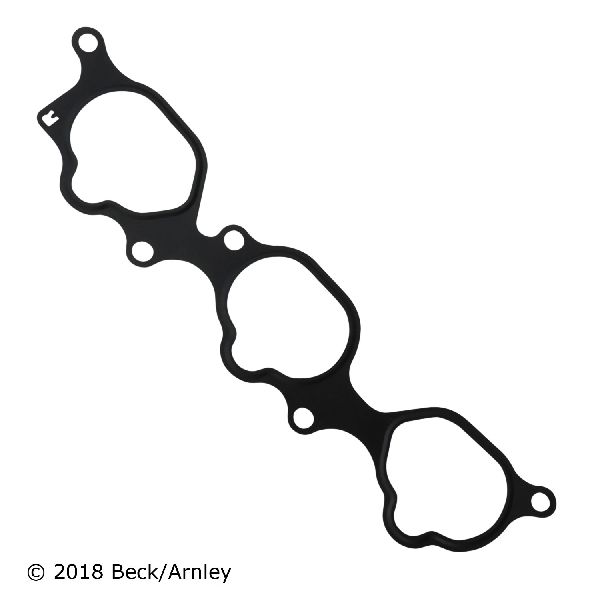
This set is for the 3.5L V6 (2GR-FE) engine. The set includes upper (plenum) and lower (manifold-to-head) gaskets. The failure mode is almost always a vacuum leak due to hardened gasket material.
We Have This Part in Stock


The information in this article is provided for general reference and educational purposes only. Vehicle specifications, procedures, and part compatibility can vary by production date, trim level, and region. Always consult your vehicle's factory service manual and verify part numbers before purchasing or performing repairs. Safety-critical components such as airbags, seat belts, and braking systems should be installed by a qualified professional.
- Toyota Highlander: