

Toyota Corolla Engine Coolant Temperature Sensor Guide (2012-2018)
Learn about the signs of a bad coolant sensor and how to choose the right replacement for your Corolla.
- A bad ECT sensor can cause a check engine light, poor gas mileage, rough idle, and overheating on your Corolla.
- For best results, choose a Denso brand sensor, as they are the original equipment manufacturer for Toyota.
- Replacement is an easy DIY job that takes about 30 minutes with a deep 19mm socket.
- Always replace the sensor when the engine is completely cool to avoid burns from hot coolant.
Understanding Your Corolla's Coolant Temp Sensor

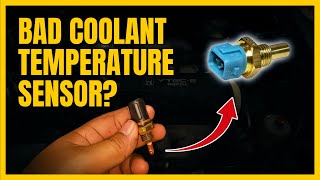
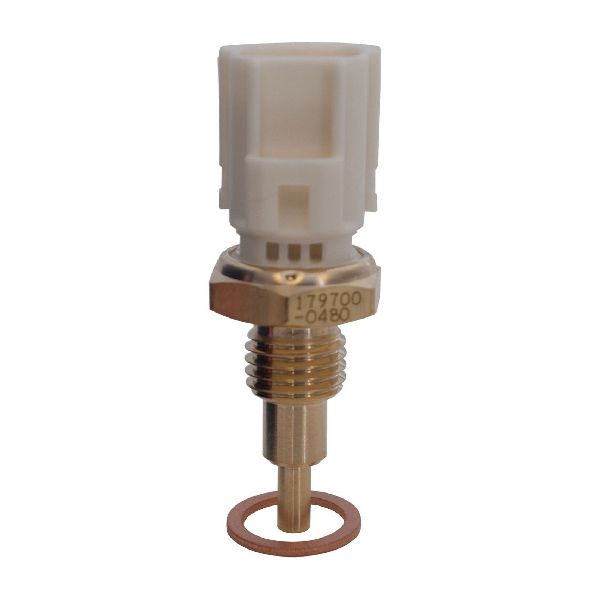
The engine coolant temperature (ECT) sensor in your 2012-2018 Toyota Corolla is a critical component for engine management. It acts like a thermometer, telling the engine's computer how hot or cold the engine is. Based on this single reading, the computer adjusts how much fuel to inject, when to create a spark, and controls the radiator fans to prevent overheating. When it fails, it can cause a surprising number of problems, from poor performance to a scary-looking check engine light.
Symptoms of a Bad Coolant Temp Sensor

A failing ECT sensor can make your car behave strangely. Here’s what to look for:
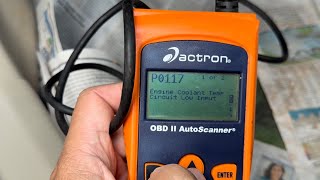
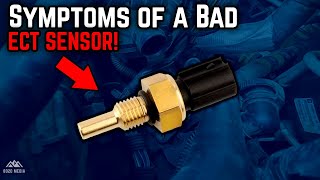
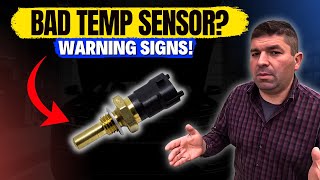
🎬 Watch: A visual guide to common ECT sensor symptoms- Check Engine Light: This is the most common sign. You may see codes like P0115, P0117, or P0128. 🎬 See how to fix a P0117 error code yourself
- Poor Fuel Economy: If the sensor wrongly tells the computer the engine is cold, the computer will enrich the fuel mixture, wasting gas.
- Rough Idling: The engine may idle rough or even stall because the air-fuel mixture is incorrect.
- Black Smoke from Exhaust: A very rich fuel mixture can result in black smoke coming from the tailpipe.
- Engine Overheating: If the sensor fails to report that the engine is hot, the cooling fans may not turn on when needed.
- Cooling Fans Run Constantly: Conversely, if the sensor is stuck sending a "hot" signal, the fans might stay on all the time, even when the engine is cold.
Don't Ignore an Overheating Engine
If your temperature gauge shows the engine is overheating, pull over safely and turn off the engine as soon as possible. Driving an overheating engine can cause severe and expensive damage, like a warped cylinder head or blown head gasket.
Choosing the Right Aftermarket Sensor for Your Corolla

When replacing the ECT sensor, you have several options. For a reliable car like the Corolla, choosing a quality part is important. Denso is the original equipment (OE) supplier for many Toyota parts, making it a top choice.
Brand Quality Tiers
- OEM Supplier (Best Bet): Denso is widely recognized as the original manufacturer for Toyota. Choosing a Denso sensor is the closest you can get to buying the part from a Toyota dealership, ensuring perfect fit and function.
- Premium Aftermarket (Excellent Alternatives): Brands like Delphi, NGK/NTK, and Standard Ignition (SMP) have strong reputations for quality. They are trusted by mechanics and often meet or exceed OEM specifications. These are solid choices if a Denso part isn't available.
- Standard Aftermarket (Good Value): Brands such as Beck Arnley, Holstein, and Four Seasons offer a good balance of price and quality. Beck Arnley is known for sourcing parts from various quality manufacturers, sometimes even re-boxing the OEM part.
- Economy Brands (Use with Caution): Brands like URO Parts, Facet, and Global Parts are typically the most affordable. While they can get your car back on the road, their long-term reliability and consistency can be a gamble. For a critical sensor like this, it's often worth spending a few extra dollars for a more reputable brand.
Pro Tip: Many owners and mechanics recommend sticking with Denso or a genuine Toyota part for critical sensors to avoid replacing them again in a year. Cheap sensors are known to fail prematurely.
Cost of Replacing the Engine Coolant Temperature Sensor
The cost to replace the ECT sensor is relatively low. The part itself is inexpensive, and the labor is minimal for a professional mechanic. A DIY replacement is very feasible for those with basic tools.
| Item | Estimated Cost |
|---|---|
| New OEM Sensor | $65 - $100 |
| New Aftermarket Sensor | $13 - $83 |
| Shop Labor Cost | $140 - $206 |
| Total Professional Repair | $293 - $392 |
Frequently Asked Questions (FAQ)

Where is the ECT sensor located on a 2012-2018 Corolla?
The ECT sensor is located on the driver's side of the engine, on the cylinder head near the thermostat housing where the upper radiator hose connects. You may need to remove the plastic engine cover to see it clearly.
Is this a difficult part to replace myself?
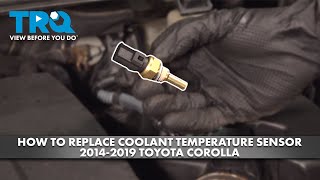
No, this is considered an easy DIY job. It typically takes about 30 minutes. 🎬 Watch this step-by-step Corolla sensor replacement walkthrough You will need a deep 19mm socket to remove the sensor. Make sure the engine is completely cool before you start, and have a drain pan ready as a small amount of coolant will leak out. It's a good idea to have some Toyota Super Long Life Coolant on hand to top off the system afterward.
Is Denso the same as a genuine Toyota part?
Denso is a subsidiary of Toyota and the original equipment manufacturer (OEM) for many of its electronic parts. A Denso-branded sensor is often the exact same part you would get from a Toyota dealer, just in a different box and usually at a lower price.
My check engine light is on. Will replacing this sensor fix it?
If the check engine light is on with codes related to the ECT sensor (like P0115, P0117, P0118, P0128), then replacing a faulty sensor will likely turn off the light after a few drive cycles or after clearing the codes with a scanner. However, these codes can sometimes be caused by wiring issues or a faulty thermostat, so it's important to diagnose the problem correctly.
Are there any recalls for this part on my Corolla?
Searches of NHTSA data did not find any specific recalls for the engine coolant temperature sensor on the 2012-2018 Toyota Corolla. There were recalls for other sensors and airbag ECUs, but not the ECT sensor itself.
Helpful Videos
Technical Specifications
OEM Part Numbers: 89422-33030 89422-35010 89422-16010 89422-47010
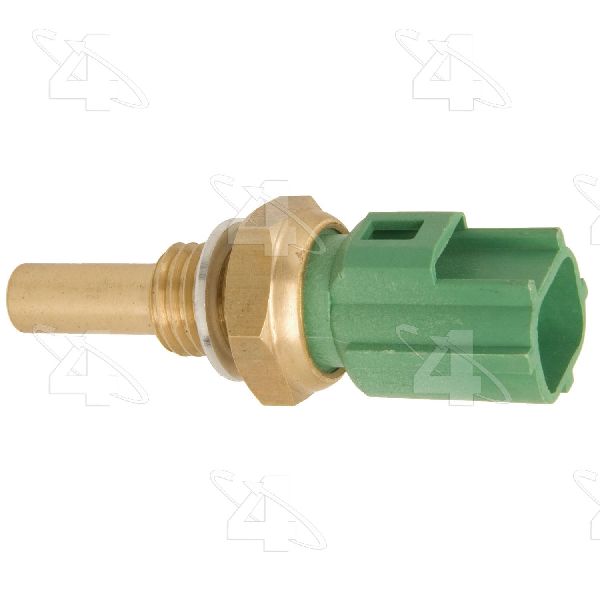
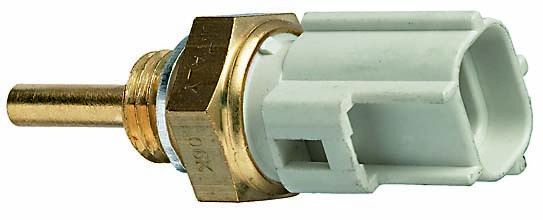
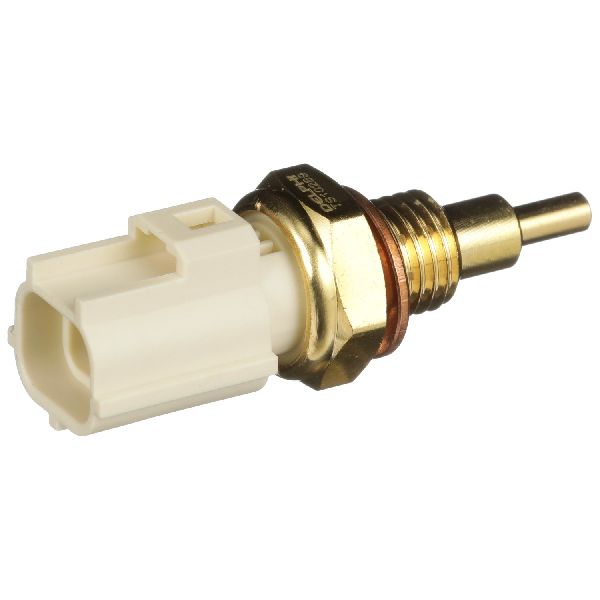
Location: Cylinder head, driver's side, near thermostat housing. Tool required: 19mm deep socket. Connector: 2-terminal plug.
We Have This Part in Stock


The information in this article is provided for general reference and educational purposes only. Vehicle specifications, procedures, and part compatibility can vary by production date, trim level, and region. Always consult your vehicle's factory service manual and verify part numbers before purchasing or performing repairs. Safety-critical components such as airbags, seat belts, and braking systems should be installed by a qualified professional.
- Toyota Corolla: