

Freightliner 114SD Radiator Coolant Hose: A Guide for 2012-2018 Models
Keep your 114SD's severe-duty cooling system reliable by understanding how to choose the right replacement radiator hose.
- A failing radiator hose is a critical issue that can cause severe engine damage from overheating.
- Check for related TSBs concerning radiator vibration, as this can put extra stress on hose connections.
- Before buying aftermarket, check the price of an OEM hose; for the 114SD, they can be surprisingly affordable.
- When replacing, always use new, high-quality hose clamps and compare the new hose with the old one to ensure a perfect fit.
Symptoms of a Failing Radiator Hose
A bad radiator hose is a serious issue that can sideline your truck and lead to expensive engine damage. Watch for these clear warning signs:
- Coolant Leaks: This is the most obvious symptom. You may find puddles of green, pink, or yellow fluid under the front of your truck. Sometimes, the leak is slow and leaves behind a dried, crusty residue on or below the hose.
- Engine Overheating: If a hose collapses or leaks a significant amount of coolant, the engine temperature gauge will climb into the red. This is a critical warning to shut down the engine immediately.
- Visible Hose Damage: Inspect your hoses regularly. Look for cracks, splits, or soft, spongy spots. A hose that feels brittle and hard or unusually soft and mushy needs to be replaced. A bulge in the hose is a sign of internal failure, and it could burst at any moment.
- Low Coolant Light: A leaking hose will cause the coolant level in the reservoir to drop, triggering the low coolant warning on your dash.
- Sweet Smell: Burning coolant has a distinct sweet smell. If you notice this odor around your truck, it's a strong indicator of a leak in the cooling system.
Known Issues, TSBs, and Recalls
While there are no specific recalls for radiator hoses on the 2012-2018 Freightliner 114SD, there is a related service bulletin worth knowing about.
Freightliner TSB for Radiators
Freightliner issued a technical service bulletin for some 114SD models made after March 2010 with EPA10 engines. It notes that certain operating conditions could cause the radiator tubes themselves to crack and leak. The official fix was to install an updated, isolated engine-mounted radiator, which became standard on trucks built after July 30, 2012. While this isn't a hose failure, a vibrating or stressed radiator puts extra strain on the hose connections, potentially leading to premature wear or leaks at the clamps.
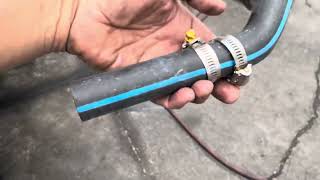
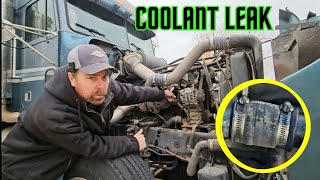
🎬 See how to fix a common engine coolant hose leakChoosing the Right Aftermarket Hose: OEM vs. Aftermarket
When replacing a radiator hose on your 114SD, you have the choice between OEM (Original Equipment Manufacturer) and aftermarket parts. Unlike many other parts, the price difference may not be as big as you think.
OEM Freightliner Hoses: For certain hoses on this truck, OEM parts can be surprisingly affordable, with some lower hoses costing between $24 and $28. Before buying an aftermarket part, it's worth checking the price of an OEM hose from a dealer, as you are guaranteed a perfect fit.
Aftermarket Hoses: Brands like Gates, Dayco, and Continental are well-known in the heavy-duty market. They offer a cost-effective alternative, especially for more complex or expensive hoses.
- Gates: Often praised for having accurate catalogs and good fitment. Many users trust the brand based on their positive experience with their belts.
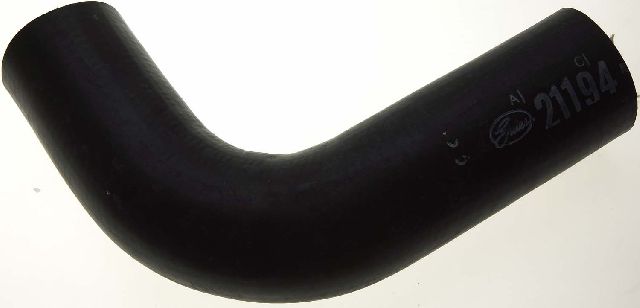
- Dayco: Some mechanics note that Dayco hoses can feel slightly thicker than other brands. However, always double-check that the shape and bends match your original hose, as fitment can sometimes be an issue with any aftermarket brand.
- Continental (ContiTech): Also a reputable OEM supplier and aftermarket brand, known for quality rubber products.
Pro Tip: Check the Fit and Clamps
Regardless of the brand you choose, always compare the new hose to the old one before you start the installation. Make sure all the bends and diameters match perfectly. Additionally, many Freightliner trucks use single-use spring clamps from the factory. It is highly recommended to replace these with new, high-quality worm-gear or constant-tension T-bolt style clamps when you install the new hose.
Estimated Replacement Costs
The cost to replace a radiator hose depends on the hose itself and labor rates. Some hoses are simple and easy to access, while others require removing other components.
| Part/Service | Estimated Cost |
|---|---|
| New Aftermarket Hose | $17.85 - $154.02 |
| New OEM Hose | $24 - $175+ |
| Shop Labor | $150 - $300 |
| Total Estimated Cost | $170 - $450+ |
Frequently Asked Questions (FAQ)
How often should I replace my radiator hoses?
There is no universal replacement interval, but a good rule of thumb is to inspect them at every service and consider replacing them proactively every 4-5 years or around 100,000 miles, especially in a severe-duty application. If a hose feels brittle, soft, or looks swollen, replace it immediately regardless of age.
Are OEM hoses better for the 114SD?
OEM hoses guarantee a perfect fit. For the 114SD, some OEM hoses are priced very competitively with aftermarket options. It is always a good idea to get a price for the OEM part before deciding. If the price is similar, the guaranteed fit of an OEM hose is often the better choice.
What are the signs of a bad hose clamp?
A failing clamp will cause a leak right at the connection point to the radiator or engine. Look for coolant drips or crusty residue around the clamp. If the clamp is rusty, stripped, or won't tighten properly, it must be replaced. Constant-tension spring clamps can lose their strength over time.
Can I use a universal flexible hose instead of a molded one?
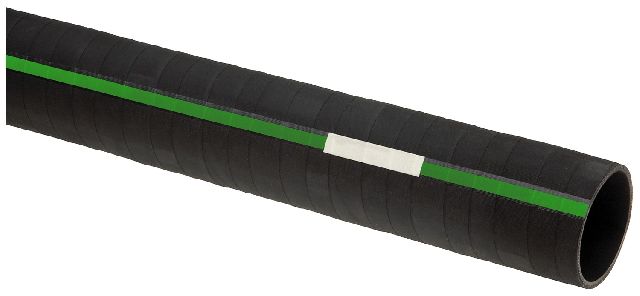
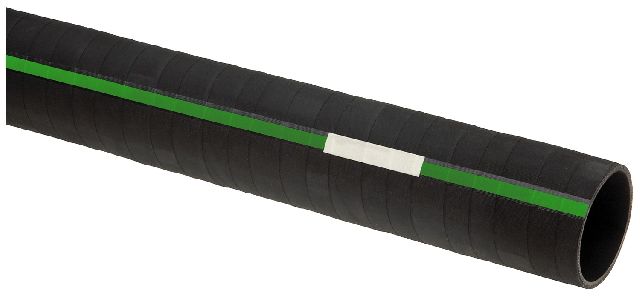
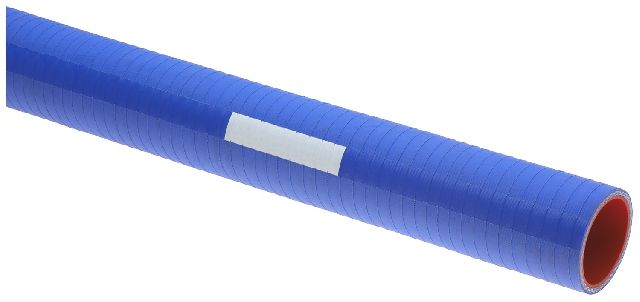
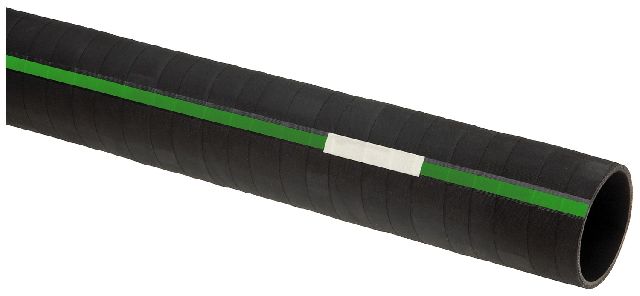
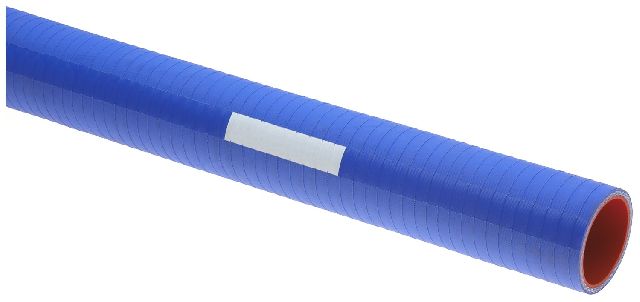
No. It is strongly advised to use a direct-fit molded hose. Universal or flexible hoses are not designed to handle the specific bends and pressures of your truck's cooling system. Using one can lead to kinks that restrict coolant flow, or rubbing against other components that causes a premature failure.
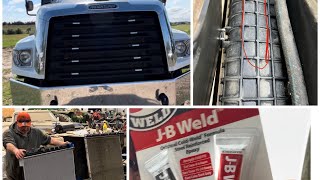
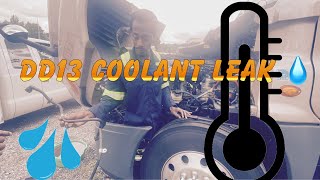
🎬 Watch this quick DIY guide to fixing a DD13 coolant leakHelpful Videos
Technical Specifications
OEM Part Numbers: 05-21918-000 05-33525-000 05-21899-000
Material: EPDM (Ethylene Propylene Diene Monomer) Synthetic Rubber. Temperature Rating: Approx. -40°C to 150°C.
We Have This Part in Stock

The information in this article is provided for general reference and educational purposes only. Vehicle specifications, procedures, and part compatibility can vary by production date, trim level, and region. Always consult your vehicle's factory service manual and verify part numbers before purchasing or performing repairs. Safety-critical components such as airbags, seat belts, and braking systems should be installed by a qualified professional.
- Freightliner 114SD: