

A Guide to Replacing Engine Mounts on the 2012-2017 Ford F-150
Feeling new vibrations or hearing clunks in your F-150? Your engine mounts might be the problem.
- The most common symptoms of failure are excessive vibration at idle and a 'clunk' noise when accelerating.
- The driver's side hydraulic mount is a frequent failure point, especially on 3.5L EcoBoost models.
- OEM mounts provide the best vibration damping; budget aftermarket brands may result in more cabin vibration.
- Replacement is an advanced DIY job that requires safely supporting the engine.
Is Your F-150's Engine Mount Failing?

A worn-out engine mount on a 2012-2017 F-150 will make itself known with some very clear signs. Because the mount is failing to hold the engine steady and absorb vibrations, you'll likely experience one or more of the following issues.
Key Failure Symptoms
- Excessive Vibration: This is the most common complaint. You may feel a deep, rough vibration through the steering wheel, floor, or seats, especially when the truck is idling in gear (Drive or Reverse) at a stoplight. This happens because a collapsed or leaking mount can no longer absorb the engine's natural shaking.
- Clunking or Thumping Noises: A loud 'clunk' or 'thump' when you accelerate, shift gears, or even start the engine is a classic sign of a bad mount. This noise is the sound of the engine physically moving too much and hitting other parts because the mount isn't holding it securely.
- Visible Engine Movement: If you have a helper, you can check for excessive movement. With the hood open and the parking brake set, have someone shift the truck from Park to Drive while holding the brake. If you see the engine lurch or lift significantly 🎬 Watch: See what a failed mount looks like during testing, a mount has likely failed.
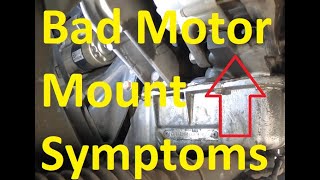
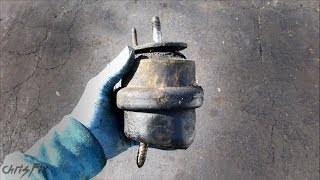
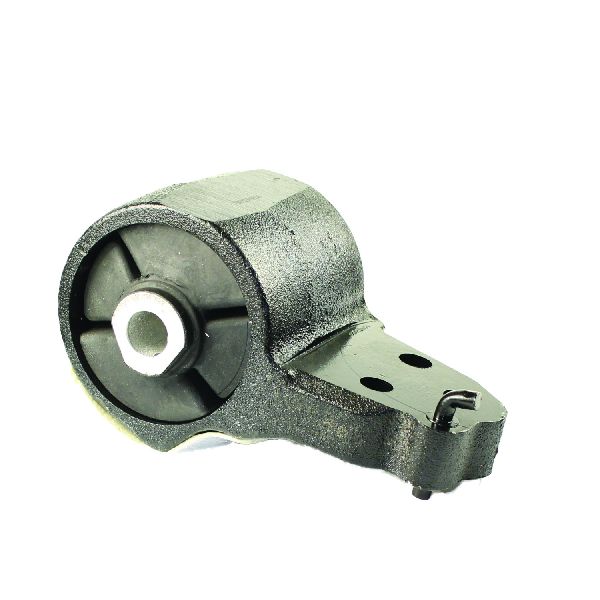
- Visual Inspection: The original mounts on these trucks are often hydraulic. Look for dark, oily fluid that has leaked out of the mount. Also, check for deep cracks in the rubber or if the mount looks 'pancaked' or compressed 🎬 Learn how to diagnose a bad motor or transmission mount compared to a new one.
A Note on EcoBoost Engines
For F-150s with the 3.5L EcoBoost engine, the driver's side (left-hand) hydraulic mount is a very common failure point. The rotational force of the engine puts the most strain on this mount during acceleration, causing it to wear out and leak more frequently than the passenger side mount.
Choosing the Right Aftermarket Engine Mount

When it comes to replacing engine mounts on your F-150, you have a choice between Original Equipment (OEM) and aftermarket parts. For this specific part, the difference can affect your ride quality.
- OEM (Ford) Mounts: These are the highest quality option and are specifically tuned for your truck's engine. Because they are hydraulic, they do the best job of damping vibrations for a smooth, quiet ride. They are also the most expensive option.
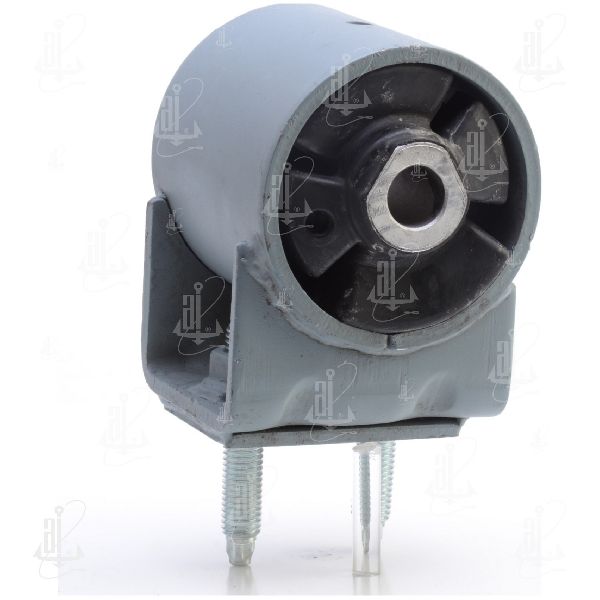
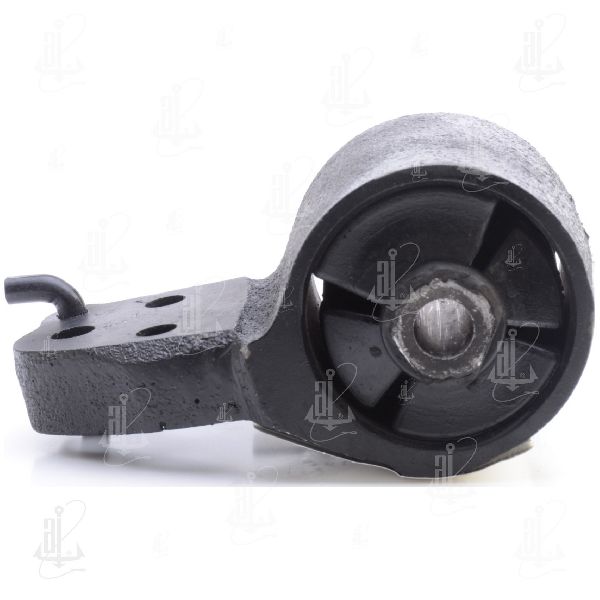
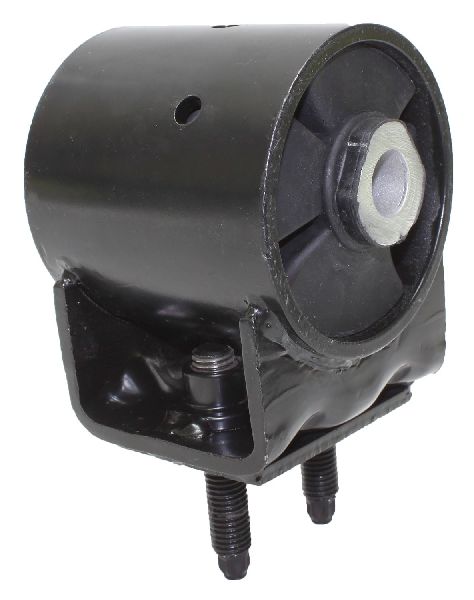
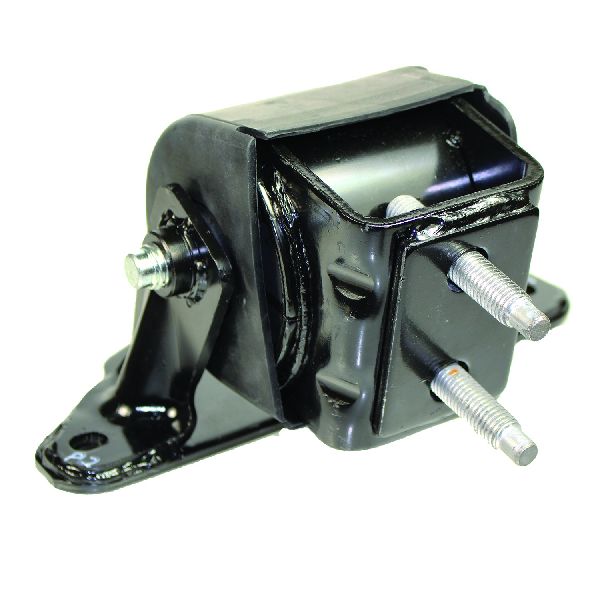
- Aftermarket Mounts (Anchor, DEA, Westar): These brands offer a more affordable solution. However, many are solid rubber instead of fluid-filled. While they will hold the engine in place, they may not absorb vibrations as well as the OEM parts, potentially leading to a rougher feel at idle. General mechanic consensus suggests that budget-friendly mounts are often considered lower quality and may not last as long as OEM.
Pro Tip: Quality Matters
For a truck like the F-150, which uses sophisticated hydraulic mounts to control engine vibrations, investing in an OEM or a premium aftermarket mount is often worth the extra cost for long-term satisfaction. A cheap, solid rubber aftermarket mount can sometimes cause more vibration issues than the worn-out part it replaced.
Cost to Replace Ford F-150 Engine Mounts
The cost can vary significantly based on whether you do the job yourself or have a shop do it. Labor is a major part of the total cost because the job can be time-consuming.
| Item | Estimated Cost |
|---|---|
| New Aftermarket Part (Each) | $64.94 - $106.84 |
| New OEM Part (Each) | $150 - $200+ |
| Shop Labor | $500 - $750+ |
| Total Professional Replacement | $700 - $1,200+ |
Frequently Asked Questions (FAQ)

Are there any recalls for 2012-2017 F-150 engine mounts?
No, as of early 2026, there are no specific safety recalls issued by Ford or the NHTSA for engine mount failure on the 2012-2017 Ford F-150.
Should I replace both engine mounts at the same time?
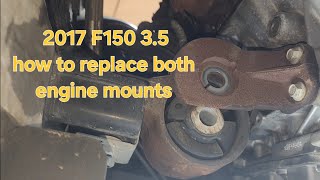
Yes, it is highly recommended to replace engine mounts in pairs (left and right). If one has failed due to age and stress, the other is likely not far behind. Replacing both ensures even support and vibration damping, preventing premature wear on the new mount.
Is this a difficult DIY job?
This is an advanced DIY job. It requires safely supporting the engine from below with a jack and a block of wood, which carries risk if not done properly. Access to bolts can be very tight, especially on the passenger side, and may require removing other components. It is rated as a 4 out of 5 for difficulty and can take 3-6 hours.
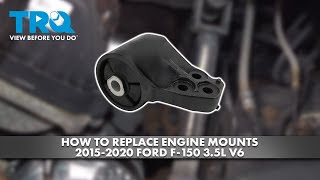
🎬 See this step-by-step walkthrough for replacing your F-150 mountsWhy did my engine mount fail?
Engine mounts are wear-and-tear items. The rubber breaks down over time from heat, stress, and exposure to fluids. The hydraulic fluid inside can leak out, causing the mount to collapse. Aggressive driving, heavy towing, and even high mileage contribute to their failure.
Helpful Videos
Technical Specifications
OEM Part Numbers: BL3Z-6038-F BL3Z-6038-E FL3Z-6038-B FL3Z-6038-G
The 2012-2017 F-150 often uses hydraulic (fluid-filled) engine mounts to dampen vibration. Mounts are specific to engine type (e.g., 5.0L V8, 3.5L EcoBoost) and drivetrain (2WD vs 4WD). Always verify the correct part number for your specific vehicle configuration.
We Have This Part in Stock


The information in this article is provided for general reference and educational purposes only. Vehicle specifications, procedures, and part compatibility can vary by production date, trim level, and region. Always consult your vehicle's factory service manual and verify part numbers before purchasing or performing repairs. Safety-critical components such as airbags, seat belts, and braking systems should be installed by a qualified professional.
- Ford F-150: