

Ford Edge Oxygen Sensor Guide for 2012-2017 Models
Everything you need to know before replacing the oxygen sensors on your 2012-2017 Ford Edge.
- Your Edge has multiple O2 sensors; confirm your engine (2.0L, 3.5L, 3.7L) and the specific sensor location (e.g., Bank 1, Sensor 2) before buying.
- Symptoms of failure include the Check Engine Light, poor gas mileage, and a rough idle.
- Choose a direct-fit sensor to avoid cutting and splicing wires. Brands like NTK and Denso are OEM-quality alternatives to the more expensive Motorcraft part.
- Replacing a bad O2 sensor promptly can prevent more costly damage to your catalytic converter.
Understanding Oxygen Sensors in Your Ford Edge

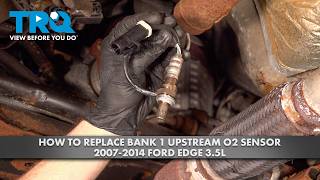
A bad oxygen sensor in your 2012-2017 Ford Edge can cause more than just a Check Engine Light. It can lead to poor gas mileage, a rough idle, and even damage to your expensive catalytic converter over time. Your Edge has multiple oxygen sensors. The exact number depends on your engine (2.0L EcoBoost I4, 3.5L V6, or 3.7L V6). They are located 'upstream' (before the catalytic converter) and 'downstream' (after the catalytic converter). Upstream sensors are the primary sensors for managing the air-fuel mix, while downstream sensors monitor the efficiency of the catalytic converter.
Common Failure Symptoms

When an O2 sensor starts to fail, your Edge will likely give you a few warning signs. Don't ignore them, as a faulty sensor can lead to more expensive repairs down the road.
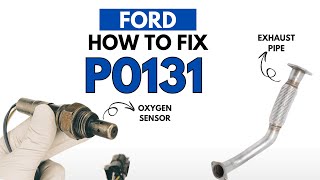
- Check Engine Light: This is the most common sign. A code reader will often show codes like P0131, P0151, P0132, or P0036. 🎬 Watch this guide on how to fix the P0131 error code.
- Poor Fuel Economy: If you're filling up your tank more often, a bad O2 sensor could be the culprit. The engine isn't getting the right information to burn fuel efficiently.
- Rough Idle or Misfires: An incorrect air-fuel mixture can cause your engine to run rough, shake, or misfire.
- Reduced Engine Power: Your Edge might feel sluggish or have trouble accelerating.
- Rotten Egg Smell: A strong smell of sulfur from the exhaust can indicate a rich fuel mixture that a failing sensor isn't correcting.
Engine Differences Matter
The 2012-2017 Ford Edge was available with a 2.0L 4-cylinder, a 3.5L V6, and a 3.7L V6. The V6 engines have two banks of cylinders and therefore more sensors than the 4-cylinder. Always confirm your engine type before ordering to ensure you get the correct part for the correct location (e.g., Bank 1 Sensor 1, Bank 2 Sensor 2).
Choosing the Right Aftermarket Oxygen Sensor

You don't have to buy the expensive dealership part. Many aftermarket brands offer excellent quality, often from the same companies that made the original part for Ford. Aftermarket sensors are designed to be as durable as their OE counterparts but are more affordable.
Tier 1: OEM-Level Quality
- Motorcraft: This is Ford's official parts brand. It's the original equipment (OE) part and guarantees a perfect fit and performance, but it's also the most expensive option.
- NGK / NTK: NTK is the sensor division of NGK. They are a known original equipment supplier for Ford and many other automakers. Choosing NTK is often the same as buying the Motorcraft part without the Ford box.
- Denso: Another top-tier OE supplier known for high-quality sensors that meet or exceed factory specifications. Denso and NTK are both considered excellent choices.
Tier 2: Reliable Aftermarket Options
- Bosch: Bosch invented the automotive oxygen sensor and is a massive global supplier. While they are a major OEM supplier for many European brands, some Ford owners in forums report mixed experiences, with some finding them to be 'lazy' or slow to respond compared to OE. However, many use them without issue.
- Delphi: A well-known and respected aftermarket brand that produces a wide range of reliable automotive components.
- Walker Products: A brand that specializes in fuel delivery and emission control parts, offering a solid replacement option.
Tier 3: Budget-Friendly
- DriveWire: This is a budget-conscious brand. While it can save you money upfront, it may not offer the same longevity or precise calibration as the higher-tier brands. It's a viable option for older, higher-mileage vehicles or if budget is the primary concern.
Pro Tip: Direct-Fit vs. Universal
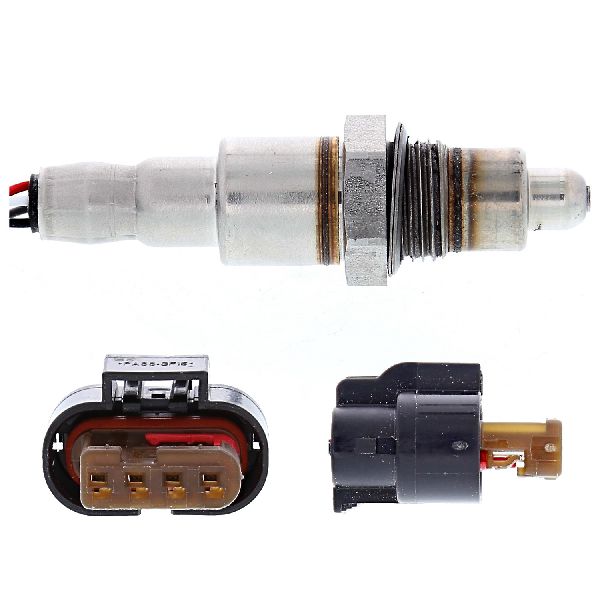
Always choose a 'direct-fit' sensor. These come with the correct electrical connector for your Ford Edge, making installation a simple plug-and-play process. Universal sensors require you to cut and splice wires from your old sensor's connector, which can lead to connection problems. The small savings are not worth the potential headache.
Cost of Replacing a Ford Edge Oxygen Sensor

| Part Type | Estimated Cost |
|---|---|
| New OEM (Motorcraft) | $90 - $200+ |
| New Aftermarket | $46 - $170 |
| Shop Labor | $80 - $150 per sensor |
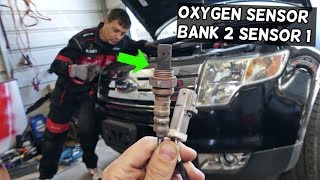
Note: Costs are estimates and can vary based on your location, engine type, and which sensor needs replacement. Some sensors are much harder to access, increasing labor time. 🎬 Follow this walkthrough to replace the Bank 2 Sensor 1 yourself.
Frequently Asked Questions
How many oxygen sensors does my 2012-2017 Ford Edge have?
It depends on your engine. The 2.0L I4 engine has two sensors (one upstream, one downstream). The 3.5L and 3.7L V6 engines have four sensors (two upstream and two downstream, one for each cylinder bank).
What tools do I need to replace an O2 sensor?
You will need a special O2 sensor socket, which has a slit on the side for the wire to pass through. You'll also need a ratchet and possibly an extension. Sometimes, warming the engine for a minute or two can help loosen a stubborn sensor, but be extremely careful working around a hot exhaust.
Where is Bank 1 on a Ford Edge V6?
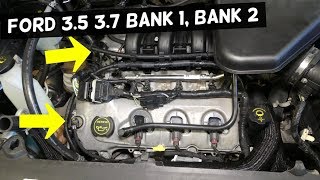
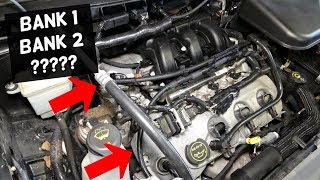
On Ford V6 engines, Bank 1 is typically the cylinder bank on the passenger side, closer to the firewall. Bank 2 is on the driver's side, closer to the radiator. 🎬 See this video to help identify Bank 1 and Bank 2. However, always verify with a vehicle-specific repair manual or diagram.
Do I need to apply anti-seize to the new sensor?
No. New oxygen sensors almost always come with anti-seize compound already applied to the threads from the factory. Be careful not to get any of it on the sensor tip itself.
Are there any recalls for the oxygen sensors on my Ford Edge?
No, a search of the NHTSA database did not find any specific recalls for oxygen sensors on the 2012-2017 Ford Edge. There was a recall for a fuel line issue on some 2.0L models, but it is unrelated to the sensors themselves.
Helpful Videos
Technical Specifications
OEM Part Numbers: DY-1401 HS7Z-9G444-B DY-1583
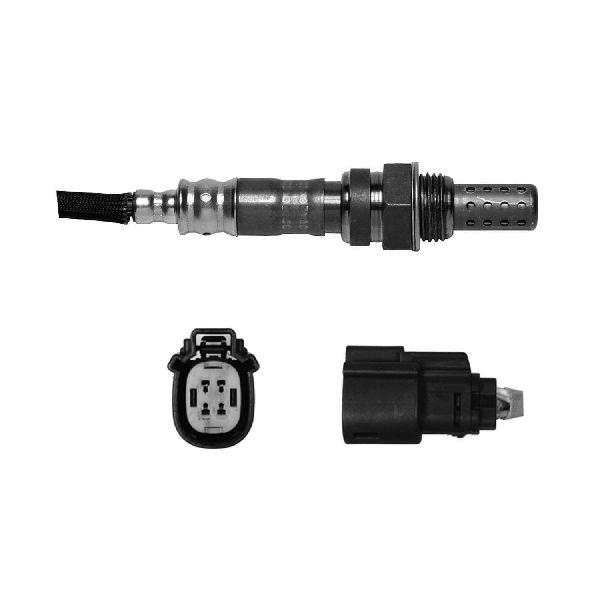
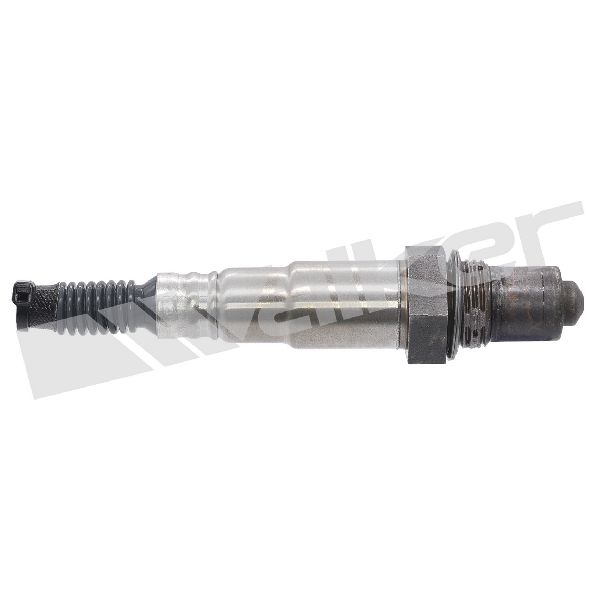
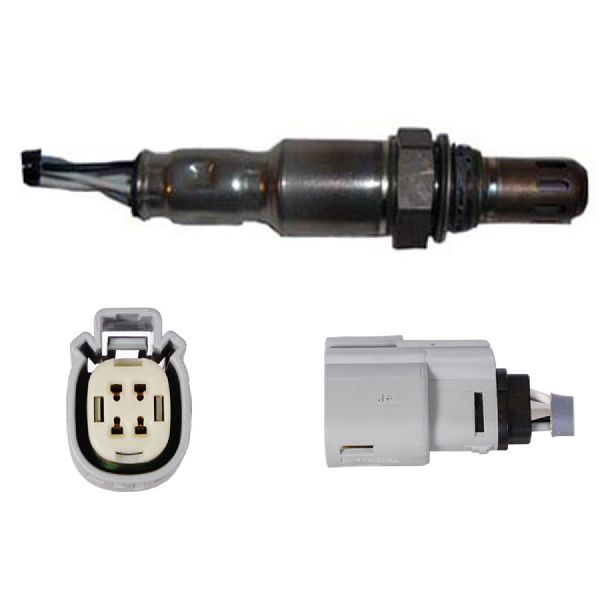
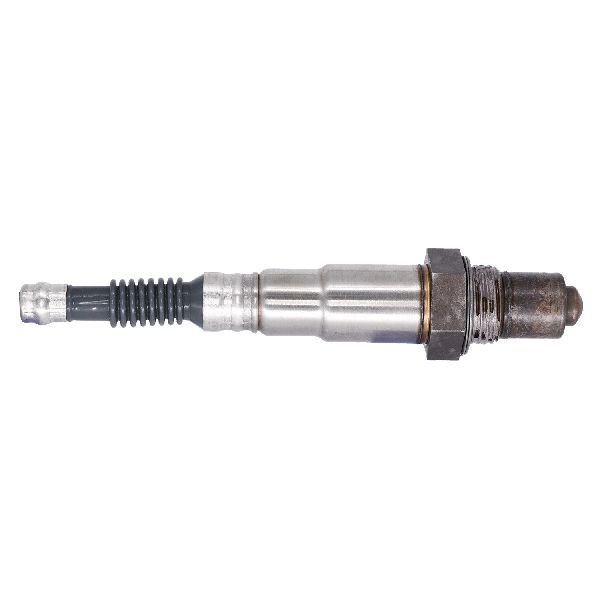
The Ford Edge uses heated, 4-wire or 5-wire (wideband) oxygen sensors. The correct sensor depends on the engine type and position (upstream or downstream). Always use a direct-fit model with the correct connector.
We Have This Part in Stock


The information in this article is provided for general reference and educational purposes only. Vehicle specifications, procedures, and part compatibility can vary by production date, trim level, and region. Always consult your vehicle's factory service manual and verify part numbers before purchasing or performing repairs. Safety-critical components such as airbags, seat belts, and braking systems should be installed by a qualified professional.
- Ford Edge: