

A Comprehensive Guide to the Oxygen Sensor for the 2012-2016 Mazda CX-9
Address your check engine light and poor fuel economy by understanding and choosing the right oxygen sensor for your CX-9.
- Your 2012-2016 CX-9 has four oxygen sensors; you must identify the correct failed sensor before ordering a replacement.
- To avoid repeat failures and recurring check engine lights, choose high-quality aftermarket brands like Denso or NGK/NTK, which are likely the original equipment suppliers.
- Sensors can be very difficult to remove. Be prepared to use penetrating oil and a special oxygen sensor socket, as recommended in a Mazda TSB.
- A diagnostic code points to a problem in the circuit, not necessarily a bad sensor. Check for exhaust leaks and wiring damage before replacement.
Is a Failing Oxygen Sensor a Serious Problem?
When an oxygen sensor fails, your CX-9's engine computer receives incorrect data, or no data at all. This forces the computer to guess the proper air-fuel mixture, a condition known as running in "open loop." This typically results in a rich fuel mixture, meaning too much fuel is being used. While you can continue to drive the vehicle, ignoring a bad oxygen sensor will cause a noticeable drop in fuel economy and can, over time, lead to expensive damage to your catalytic converters from unburned fuel.
Symptoms of a Failing Oxygen Sensor in a 2012-2016 Mazda CX-9

- Check Engine Light: This is the most common symptom. Codes like P2A04 (O2 Sensor Circuit Range/Performance Bank 2 Sensor 2) 🎬 See a walkthrough for diagnosing and replacing Bank 2 Sensor 2. or P2272 are common for this issue.
- Poor Fuel Economy: The engine runs inefficiently, burning more gas than necessary.
- Rough Idle or Engine Misfires: An incorrect air-fuel ratio can cause the engine to run erratically, especially at idle.
- Failed Emissions Test: The vehicle will not pass an emissions inspection with a faulty oxygen sensor.
A Note on Diagnosis
A trouble code for an oxygen sensor does not always mean the sensor itself has failed. Forum users report that issues like exhaust leaks, damaged wiring, or even a faulty ECU can trigger the same codes. Always inspect the wiring and listen for exhaust leaks before replacing the part.
OEM vs. Aftermarket Oxygen Sensors for Your CX-9

Choosing the right brand is crucial for a lasting repair. While OEM Mazda parts offer a guaranteed fit and performance, high-quality aftermarket options can provide the same reliability for less money. However, owner experiences suggest that budget-friendly, generic sensors can be problematic.
Brand Quality Tiers
- Tier 1 (OEM Quality): Denso & NGK/NTK. These brands are widely considered to be the original equipment manufacturers for Mazda and many other Japanese automakers. Choosing Denso or NGK/NTK is the safest bet for a direct-fit, reliable aftermarket sensor that will perform like the original.
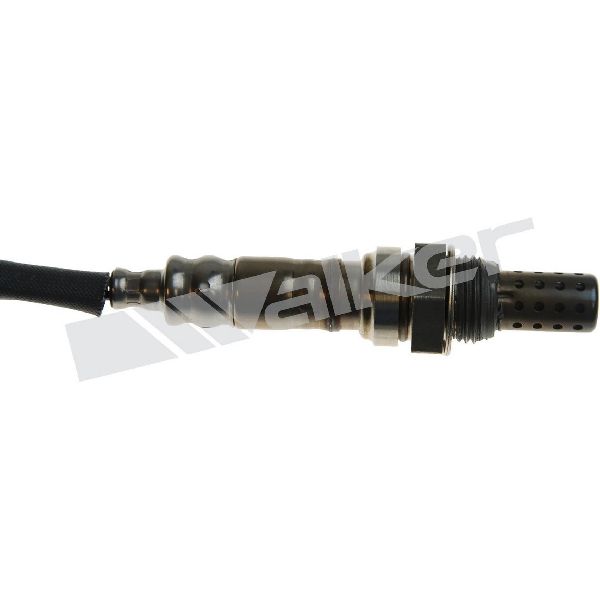
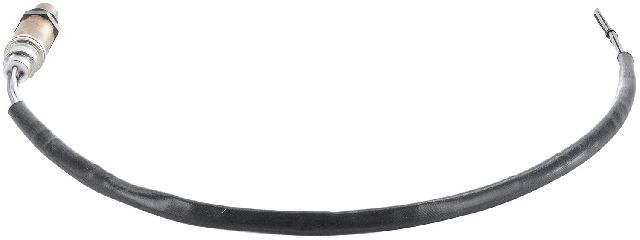
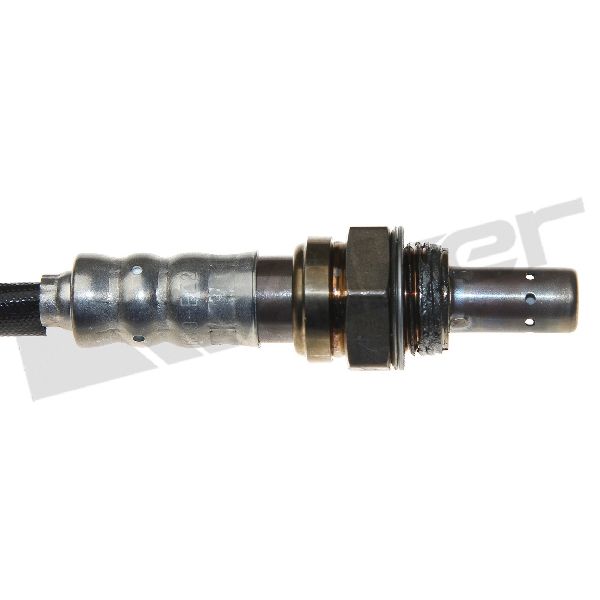
- Tier 2 (Reputable Aftermarket): Bosch & Walker Products. Bosch is a massive German parts manufacturer that invented the oxygen sensor. They are a solid choice with a long history of quality. Walker is another well-known exhaust and emissions parts company. While generally reliable, ensure you get the direct-fit model, not a universal one.
- Tier 3 (Economy): DriveWire & Other Value Brands. These brands offer the lowest price point. However, forum discussions for Mazda vehicles often contain stories of check engine lights returning shortly after installing a cheaper sensor. These may be a temporary fix but might not offer the same longevity or precise calibration as higher-tier brands.
| Part Type | Estimated Cost (Per Sensor) |
|---|---|
| New OEM (Mazda) | $105 - $290 |
| New Aftermarket | $45 - $220 |
| Shop Labor | $65 - $200 |
Installation Tips
Replacing an oxygen sensor is a feasible DIY job for those with some mechanical experience. The 2012-2016 CX-9 has four sensors, two on the front exhaust manifold (Bank 2) and two on the rear (Bank 1). The downstream sensors are generally easier to access from under the vehicle. The upstream sensors, particularly the rear one (Bank 1, Sensor 1), can be difficult to reach.
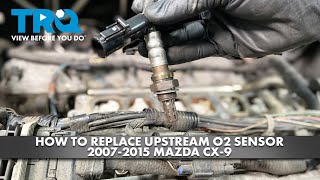
🎬 Watch this step-by-step guide for replacing the upstream sensor.Dealing with Seized Sensors
Oxygen sensors often get seized in the exhaust pipe due to heat and corrosion. Mazda issued a Technical Service Bulletin (TSB 01-032/10 and its successors) detailing a specific procedure using penetrating oil to avoid damaging the exhaust pipe threads during removal. Always let the exhaust cool completely before starting and use a special oxygen sensor socket, which has a slot for the wire.
Frequently Asked Questions (FAQ)

How many oxygen sensors does a 2012-2016 Mazda CX-9 have?
The 3.7L V6 engine in the 2012-2016 Mazda CX-9 has four oxygen sensors. There is one upstream (air/fuel ratio) sensor and one downstream (monitoring) sensor for each of the two cylinder banks (Bank 1 and Bank 2).
Where are the oxygen sensors located?
Bank 1 is the cylinder bank closer to the firewall (rear of the engine bay), and Bank 2 is closer to the radiator (front). The upstream sensors are in the exhaust manifolds before the catalytic converters, and the downstream sensors are located in the exhaust pipes after the catalytic converters.
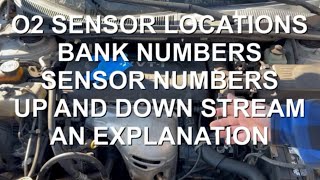
🎬 Watch this helpful explanation of sensor locations and bank numbers.Can I replace just one bad oxygen sensor?
Yes, you only need to replace the sensor that has failed. However, oxygen sensors have a similar service life. If one has failed due to age or high mileage (over 100,000 miles), the others may not be far behind. Some mechanics recommend replacing them in pairs (both upstream or both downstream) to ensure balanced performance.
Why did my check engine light come back after replacing the sensor?
This is a common frustration. It could be due to using a low-quality, generic sensor that isn't calibrated correctly for your Mazda's ECU. Other causes could be an underlying issue that was misdiagnosed, such as an exhaust leak before the sensor, a damaged wiring harness, or a problem with the connector. Always clear the codes with a scanner after replacement.
Helpful Videos
Technical Specifications
OEM Part Numbers: CA38-18-8G1 CA41-18-861 CY03-18-861B-9U
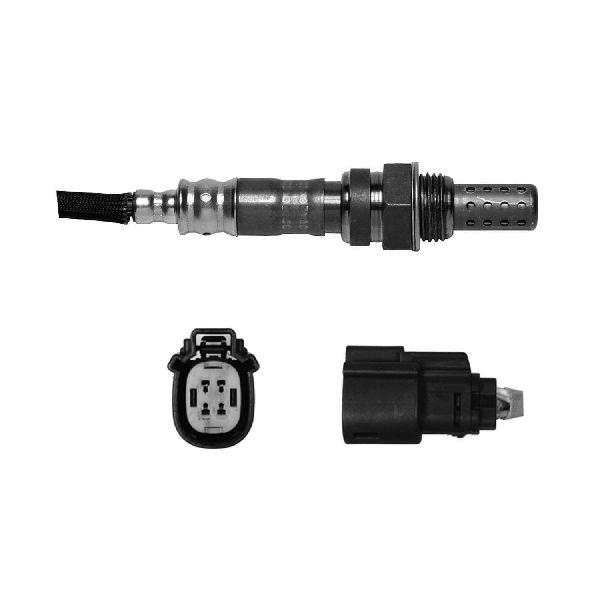
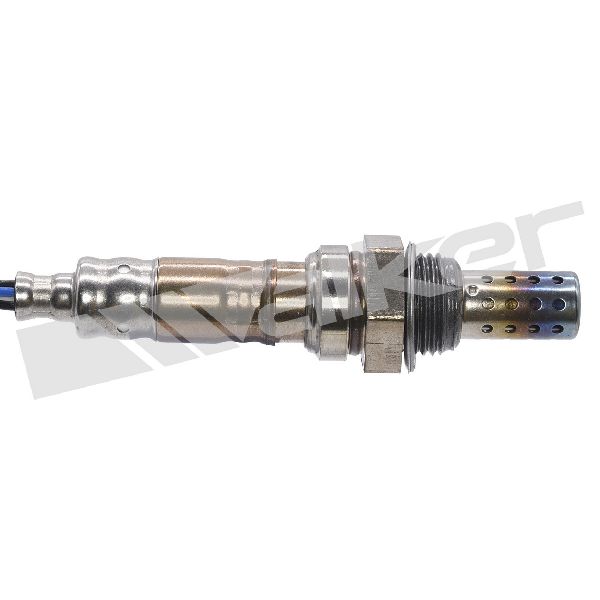
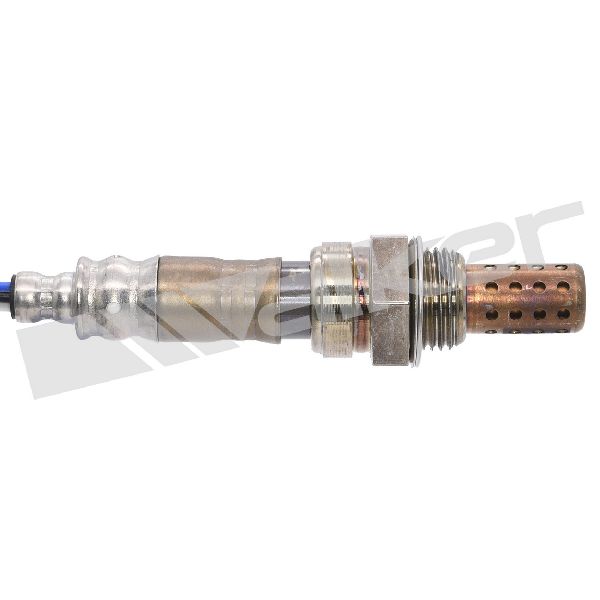
The 2012-2016 Mazda CX-9 with the 3.7L V6 engine uses four heated oxygen sensors. Two are upstream Air/Fuel Ratio sensors (wideband) and two are downstream switching-type sensors. Each bank of the V6 has one upstream and one downstream sensor.
We Have This Part in Stock

The information in this article is provided for general reference and educational purposes only. Vehicle specifications, procedures, and part compatibility can vary by production date, trim level, and region. Always consult your vehicle's factory service manual and verify part numbers before purchasing or performing repairs. Safety-critical components such as airbags, seat belts, and braking systems should be installed by a qualified professional.
- Mazda CX-9: